
Muslim Council of Britain Responds to Rising Anti-Muslim Violence in Northern Ireland
The Muslim Council of Britain (MCB) is taking significant steps to address growing anti-Muslim sentiments and violence in Northern Ireland. Following a series of violent attacks against Muslim individuals and communities in June 2026, a MCB delegation, including Deputy Secretary General Maswood Ahmed, recently engaged with local residents, governmental officials, and community leaders to better understand and address these issues.
Delegation Engagements: Listening to Affected Communities
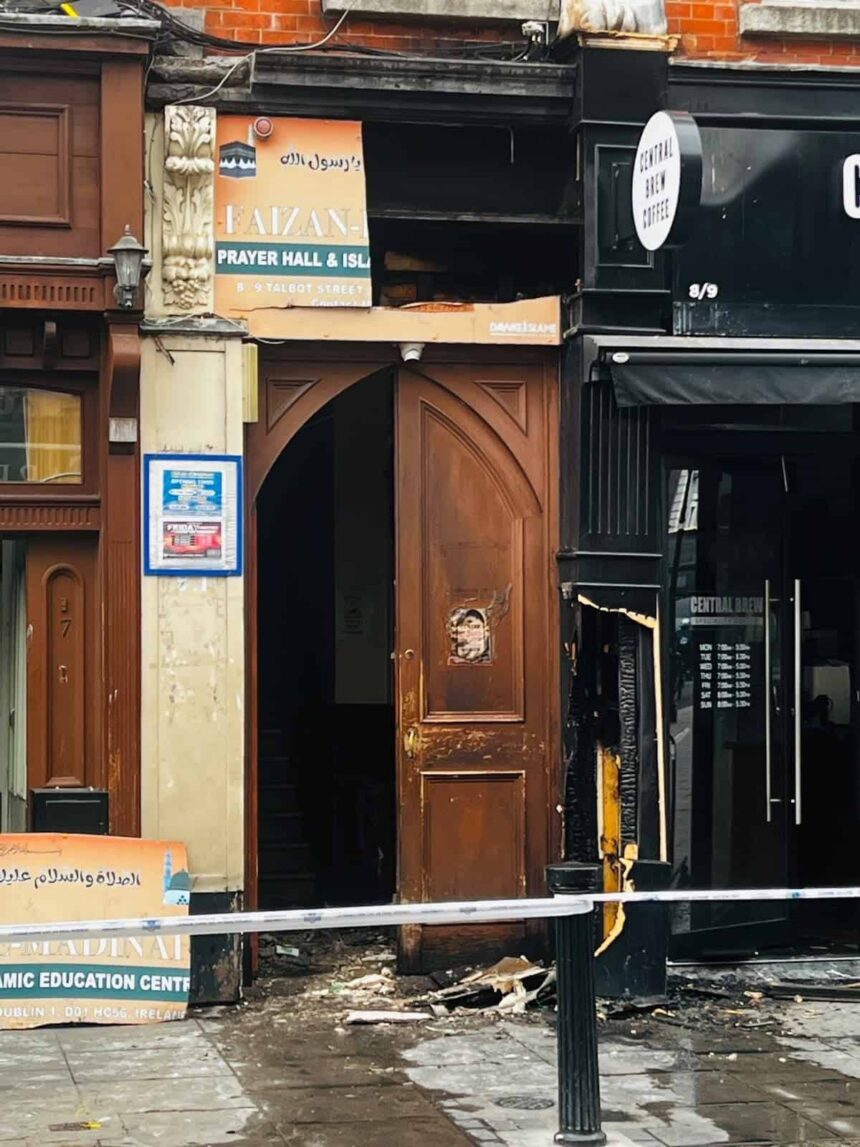
The MCB delegation, comprising prominent figures such as Muhammed Kozbar, Chairman of the MCB National Council, and Dr. Naomi Green, Assistant Secretary-General, actively engaged with families in Belfast whose lives were disrupted by horrific incidents targeting their homes, businesses, and vehicles. The visit aimed to listen to firsthand accounts of trauma and to understand the psychological and social impacts of these violent acts on the community.
During their visit, the delegation learned that many residents felt unsafe and unprotected, leading to rising anxiety within the Muslim community. The discussions emphasized not only the urgent need for immediate support—such as compensation for those impacted—but also a broader, long-term strategy to combat anti-Muslim hatred effectively. Concrete measures are necessary to ensure the safety and dignity of all communities amidst escalating tensions.
Political Engagement: A Call for Immediate Action
On June 29, 2026, the MCB delegation met with Northern Ireland’s First Minister and Deputy First Minister at Stormont, alongside senior officials from the Police Service of Northern Ireland. The engagements also included meetings with local community representatives and academics. These discussions led to the identification of critical concerns such as delayed emergency responses during peak violence and a call for enhanced protections for Muslim residents.
Maswood Ahmed expressed grave concern regarding the political response to the violence. He noted that the perceived lack of adequate political intervention and fair media coverage exacerbates the fears of already vulnerable communities. “Protecting communities from hate and violence must rise above political differences,” he stated, urging for a coordinated, long-term response from all public authorities.
Building Bridges: Strengthening Community Ties
The MCB is renewed in its commitment to strengthening relationships with both the Police Service of Northern Ireland and the Northern Ireland Executive. This is crucial not only for addressing the immediate issues arising from violence but also for fostering dialogue around the unique challenges facing Muslims in the region. Efforts are underway to connect Northern Ireland’s Muslim community with broader networks across the UK, enhancing collaboration and understanding.
The delegation highlighted that the majority of local residents endorse peaceful coexistence and mutual respect. This sentiment is vital for mitigating the increasingly polarized narratives that persist, particularly online. By working collaboratively with local Muslim organizations and public institutions, the MCB aims to restore trust, improve preparedness, and safeguard the rights and dignity of all community members.
Why It Matters
The situation in Northern Ireland presents a critical case study for understanding the dynamics of community safety and discrimination within diverse societies. As incidents of anti-Muslim violence rise, it challenges not just communal harmony but also the very principles of equality and security that underpin democratic societies. The MCB’s engagement reflects broader implications for social cohesion, highlighting the necessity of actionable frameworks to support the vulnerable and mitigate rising hate. This situation serves as an urgent call for governments and communities worldwide to evaluate and enhance their responses to discrimination and violence, fostering environments where every citizen can live free from fear.
Frequently Asked Questions
What prompted the MCB’s visit to Northern Ireland?
The MCB delegation visited Northern Ireland in response to a series of violent attacks targeting the Muslim community, intending to assess the situation, listen to affected families, and engage with political leaders.
What were the main concerns raised by the Muslim community in Northern Ireland?
Key concerns included inadequate emergency responses during peak violence, fears for personal safety, and a lack of long-term strategies to combat anti-Muslim sentiments.
How is the MCB working to improve relations with local authorities?
The MCB aims to strengthen its relationships with the Police Service of Northern Ireland and the Northern Ireland Executive, facilitating dialogue and consultation to address issues facing the Muslim community.
What does the MCB suggest for future prevention of such incidents?
The MCB advocates for a coordinated, long-term strategy that includes better protection for vulnerable communities, increased political accountability, and enhanced community engagement to foster mutual respect.