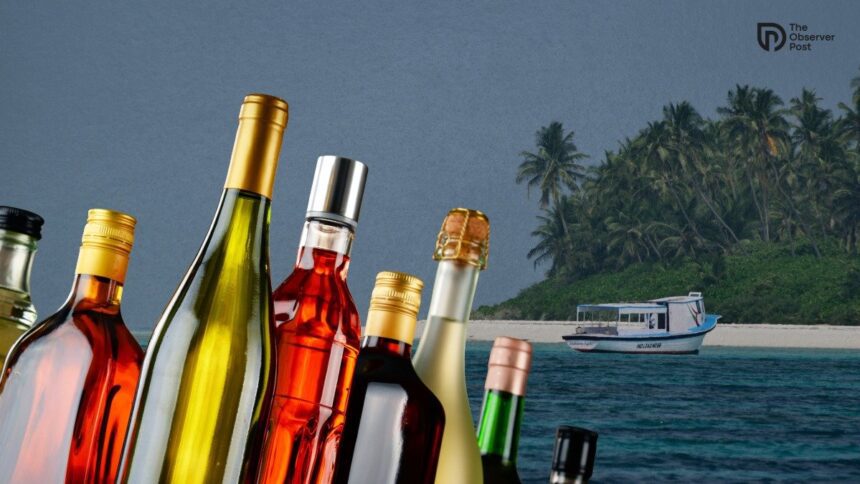

The Indian government has removed a long-standing liquor ban in Lakshadweep, a predominantly Muslim territory, with the aim of boosting tourism and economic growth. Under the new Lakshadweep Excise Regulation 2026, effective from June 5, alcohol sales and consumption will now be regulated through a licensing system, raising concerns about cultural preservation and social issues in a region where 97% of the population identifies as Muslim.
Historical Context of Prohibition in Lakshadweep
Lakshadweep, situated approximately 2,000 kilometres from the Indian mainland, has maintained a liquor prohibition since 1979. The ban was largely motivated by religious and cultural sensitivities, reflecting the norms of a majority Muslim population where alcohol consumption is seen as contrary to Islamic teachings. Lawmakers argued that this prohibition was essential to maintaining social order and preventing issues related to crime and addiction, as alcohol was deemed inconsistent with local values.
Despite the stringent ban, alcohol was not entirely inaccessible, with limited availability at select government-run resorts, primarily catering to tourists on islands like Bangaram and Kavaratti. This duality of availability—prohibition for locals while permitting consumption for visitors—has been a point of contention regarding equity and inclusivity in policy decisions affecting the local populace.
Economic Motivations Behind the Policy Change
The recent decision to lift the liquor ban is framed as part of a broader strategy to enhance tourism and position Lakshadweep as a competitive alternative to popular international destinations such as the Maldives and Mauritius. Government officials argue that the previous restrictions deterred both international tourists and affluent domestic travelers, despite the islands’ natural beauty and pristine beaches.
Following Prime Minister Narendra Modi’s visit in January 2024, which drew considerable attention to the islands, the administration hopes to spark infrastructural development that will cater to a more diverse demographic of tourists. Part of this initiative includes the introduction of a regulated licensing system for the sale and consumption of alcohol, aimed at generating employment and economic opportunities for the local community.
Regulatory Framework and Cultural Concerns
Although the liquor ban has been lifted, the new regulatory framework imposes strict conditions on alcohol outlets. Businesses licensed to sell alcohol must adhere to guidelines that prohibit sales within 50 metres of educational institutions, hospitals, and religious sites, reflecting an attempt to balance tourism interests with local cultural values. Additionally, high excise duties have been established—400% for Indian-made foreign liquor and 200% for beer—to maintain a degree of control over alcohol pricing and consumption.
The administration’s message emphasizes that despite the change, liquor sales will not be unrestricted. Only licensed entities will be able to operate, and tourists will still need permits to enter the islands. This requirement aims to address environmental and security concerns, further complicating the narrative of inclusivity and accessibility in tourism policy.
Why It Matters
The removal of the liquor ban in Lakshadweep raises significant questions regarding cultural preservation versus economic development. For the AI industry and developers, this situation serves as a case study in navigating local regulations and social sensitivities. The intersection of tourism growth and social equity poses a challenge that requires careful analysis of consumer behavior and a tailored approach to marketing and policy development. Companies looking to expand into culturally sensitive regions must remain vigilant about local dynamics, ensuring that initiatives do not alienate communities while promoting economic opportunity.
Frequently Asked Questions
What was the reason for the original liquor ban in Lakshadweep?
The liquor ban was implemented in 1979 primarily due to religious and cultural sensitivities, as alcohol consumption is prohibited in Islam. Authorities believed that the prohibition helped prevent crime and social issues.
How will alcohol be regulated in Lakshadweep now?
Under the new rules, alcohol manufacture, storage, import, export, transport, sale, purchase, and consumption will be regulated through a licensing system, with strict conditions placed on where liquor outlets can operate.
What are the economic goals behind lifting the liquor ban?
The government aims to enhance tourism, generating employment opportunities for locals and competing with international destinations by making Lakshadweep more attractive to high-end tourists.
Will tourists still need permits to enter Lakshadweep?
Yes, tourists will still require permits to visit Lakshadweep due to environmental protection measures and security reasons, which are issued through authorized tour operators or hotels.