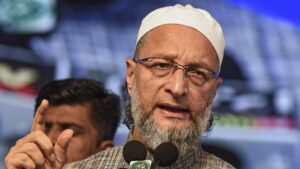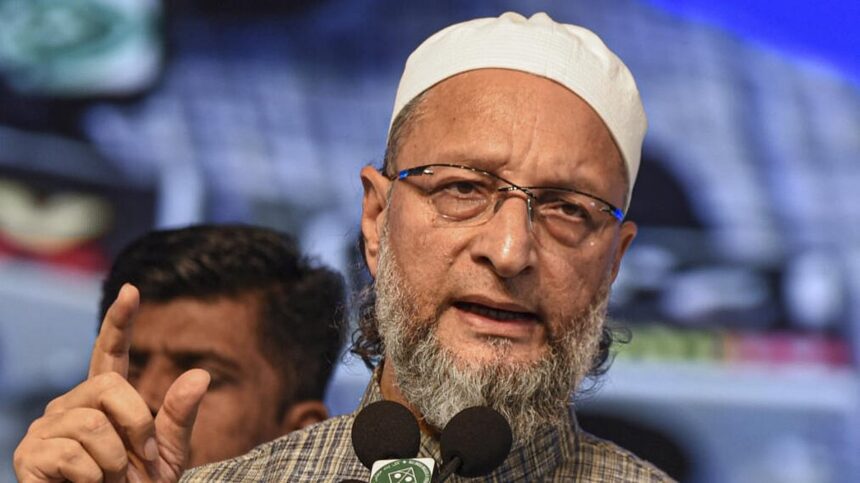

Recent remarks by RSS Chief Mohan Bhagwat highlight an ongoing conversation surrounding religious identity and inclusivity in India. Asaduddin Owaisi, a prominent political figure, criticized these statements as indicative of the RSS’s dual approach towards its public message and its internal ideology, suggesting that underlying sentiments may still espouse exclusionary views against the Muslim community in India.
Context of Religious Identity in India
The Indian landscape is intricately woven with a diverse tapestry of religions, cultures, and identities. However, in recent years, the political discourse has often been polarized, primarily along Hindu-Muslim lines. The RSS, a key organizational player in India’s Hindu nationalist movement, historically promotes a vision of Hindu identity that often marginalizes minority groups, including Muslims. Bhagwat’s statement, which ostensibly advocates for the inclusion of Muslims, is interpreted by critics like Owaisi as a façade that masks a longstanding agenda aimed at enforcing a singular national identity rooted in Hinduism.
Discrimination and Social Exclusion
The Muslim community in India has faced various forms of discrimination and social exclusion, particularly under the governance of the BJP (Bharatiya Janata Party) and its allies. Reports document instances where Muslim individuals have been subjected to economic boycotts, social ostracism, and systemic marginalization across different spheres, including education, employment, and housing. NGOs and rights organizations have raised concerns about hate crimes and communal violence that disproportionately affect Muslims, thus raising questions about the government’s commitment to equality and justice.
The Political Ramifications
Statements made by leaders like Bhagwat can be assessed through the prism of political strategy. The BJP seeks to consolidate its voter base among Hindus while navigating the complexities of India’s secular fabric. In this context, articulating inclusive rhetoric may serve practical purposes. However, Owaisi’s critique reflects a broader unease with the possible disconnect between public statements and private ideologies perpetuated within organizations such as the RSS. This suggests a strategic ambiguity where leaders hope to appeal to a wider audience, albeit with implications for the societal cohesion and stability of the nation.
Why It Matters
The ongoing debates about religious inclusivity in India have implications that extend beyond the subcontinent. For technology developers and AI practitioners, understanding the socio-political landscape of religious and ethnic identities can inform the development of algorithms and models that can better address bias or discrimination in data sets. In a world striving for inclusivity, the lessons gleaned from India’s frayed social fabric may offer valuable insights into maintaining equitable practices in AI, fostering a responsible framework that acknowledges and addresses systemic issues in society.
Frequently Asked Questions
What is the RSS, and what is its role in Indian politics?
The Rashtriya Swayamsevak Sangh (RSS) is a right-wing Hindu nationalist organization in India. Founded in 1925, it plays a pivotal role in cultural nationalism and has significant influence over the BJP and other affiliated organizations in shaping policy and political discourse.
How have Muslims been marginalized in India?
Muslims in India have faced socio-economic discrimination, political exclusion, and instances of communal violence that often reflect broader societal tensions. Reports suggest systemic bias in public services, job opportunities, and education, exacerbating inequities.
What did Owaisi mean by Bhagwat’s statements being a “trick”?
Owaisi critiqued Bhagwat’s remarks as indicative of a longstanding RSS strategy of presenting an inclusive face to the public while maintaining exclusionary ideologies internally. He argues that this dual messaging dilutes the real experiences of marginalization faced by Muslims in India.
Why is religious identity significant in Indian politics?
Religious identity plays a crucial role in Indian politics due to the nation’s diverse demographic composition. Political parties often leverage religious affiliations to construct voter bases, which can lead to heightened tensions and division among communities, impacting social cohesion and national unity.