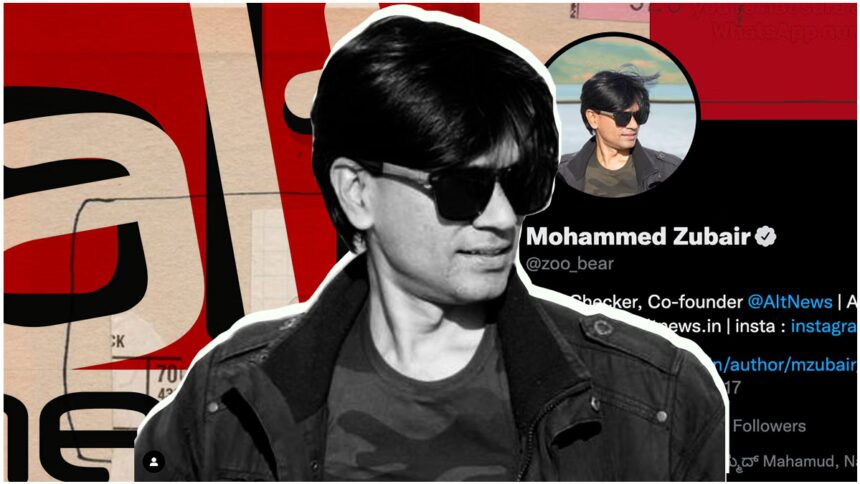

Summary: Mohammed Zubair, co-founder of Alt News, was summoned by the Delhi Police for questioning regarding a 2020 case. He was later arrested for a 2018 tweet that allegedly hurt religious sentiments linked to a Hindu figure, raising concerns over freedom of speech and the treatment of journalists in India.
Background on Mohammed Zubair’s Case
Mohammed Zubair was initially called in for questioning by the Special Cell of the Delhi Police in connection with a 2020 case. This case involved a tweet from August 2020 featuring a blurred image of a minor, which was criticized by the National Commission for Protection of Child Rights (NCPCR). However, in September 2020, the Delhi High Court had restrained the police from taking any action against him in that case, granting him partial protection.
During his questioning on Monday, police served Zubair notice under Section 41A of the CrPC, linking him to a separate investigation based on a tweet from 2018. According to sources, the tweet featured a hotel sign that was allegedly altered to include religious references, leading to accusations of deliberately insulting religious sentiments.
Details of the Arrest
Zubair was arrested hours after being served the notice, which led to claims from his lawyers that he was “tricked” into appearing for questioning. The police indicated that subsequent tweets after the 2020 case contained derogatory remarks that warranted scrutiny. Zubair’s legal team contends that his arrest was predicated on malice, alleging that police misled him into believing he was merely providing clarification regarding the 2020 case.
His legal counsel argues that the timing of the notice and arrest suggests a premeditated effort to target Zubair, especially as he had previously written to the police about his situation but was compelled to attend regardless. The police maintained that he was not cooperative during the questioning, further complicating the circumstances surrounding his detention.
The Political Implications
The Editors Guild of India condemned the arrest of Mohammed Zubair, calling for his immediate release. Zubair’s case exemplifies the mounting pressure on journalists and fact-checkers in India, particularly those who challenge the narratives endorsed by political authorities. His arrest has reignited debates about freedom of expression and the safety of individuals who operate in the digital space.
This incident is significant not just for Zubair, but for the larger ecosystem of independent journalism in India. The use of legal mechanisms to stifle dissent and critique raises alarms about the direction of civil liberties in the country. As the digital landscape increasingly becomes a site of conflict, the ramifications of such arrests extend beyond individual cases to the fabric of democratic discourse.
Why This Matters
The arrest of Mohammed Zubair is part of a worrying trend in India where dissenting voices are silenced under the guise of maintaining public order. Critics argue that authorities exploit laws to intimidate media personnel and activists, effectively curtailing open dialogue on critical issues affecting society. Such actions could set a precedent that could deter independent reporting and dissent in the future, as fear of legal repercussion looms over those who wish to speak freely.
Frequently Asked Questions
What led to Mohammed Zubair’s arrest?
Zubair was arrested after being questioned in connection with a 2018 tweet that allegedly hurt religious sentiments relating to a Hindu figure. Police filed charges under IPC sections that address promoting enmity and outrage against religious feelings.
What was the 2020 case involving Zubair?
The 2020 case involved a tweet featuring a blurred image of a minor, which led to a complaint from the NCPCR. The Delhi High Court had previously granted Zubair some protection from arrest in this matter.
What are the broader implications of his arrest?
Zubair’s arrest raises serious concerns about freedom of speech and the treatment of journalists in India. Many view it as part of a broader pattern of using state power to suppress dissent, which could have chilling effects on independent journalism.
What has been the response from media organizations?
The Editors Guild of India has condemned Zubair’s arrest, calling it an attack on press freedom, and has demanded his immediate release to uphold the principles of free expression within the media.