
Summary
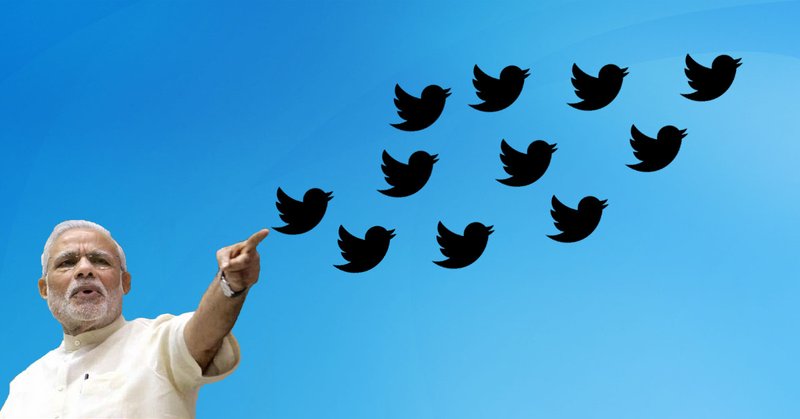
Prime Minister Narendra Modi has come under scrutiny for following a number of individuals on Twitter who are associated with abusive behavior towards others. A recent report highlighted a particular case where one of the accounts Modi follows made derogatory remarks about the late journalist Gauri Lankesh, fueling criticism over the Prime Minister’s online associations.
Context of the Allegations
The uproar originated from revelations that Modi, a prominent figure on social media, follows individuals labeled as “serial abusers” and “sexist bigots.” These allegations have stirred significant debate regarding the responsibilities of public figures in curating their social media networks. Notably, one individual criticized by the report openly made offensive comments regarding the murder of Gauri Lankesh, a journalist who was killed in 2017 under controversial circumstances. This connection raised alarms about not only the Prime Minister’s judgment but also the potential normalization of abusive discourse in public discussions.
The List of Abusers
The source of this controversy, an article by Alt News, features a list of several accounts followed by Modi that have a history of inflammatory rhetoric and derogatory language. Critics argue that endorsing such accounts implicitly condones their abusive behavior, contributing to a toxic environment online. This brings questions of accountability into focus, particularly as Modi himself often speaks against divisive politics and promotes a message of unity and respect within the nation.
The Impact of Online Associations
Following individuals with questionable reputations can have wider implications for leaders and public figures. In Modi’s case, his associations affect how the public perceives his commitment to fighting against hate speech and violence. Political commentators point out that this duality poses a challenge; Modi advocates for a modern, digital India while paradoxically supporting harmful narratives through his online connections.
Why This Matters
This situation underscores a critical juncture in Indian political discourse, reflecting broader societal issues surrounding accountability and the power of social media. In an era where online communication heavily influences public opinion, the actions of leaders like Modi can either bolster or undermine efforts towards creating a more respectful and inclusive society. As citizens become increasingly aware of the implications of their leaders’ choices, the expectation for political figures to take a stand against abusers in their networks is more pronounced than ever.
Frequently Asked Questions
What prompted the scrutiny of PM Modi’s Twitter followings?
The scrutiny arose after it was revealed that Modi follows accounts associated with hateful and abusive remarks, including one that insulted journalist Gauri Lankesh posthumously. This raised concerns about the implications of such followings on public discourse.
Who is Gauri Lankesh and why is her case significant?
Gauri Lankesh was a well-known journalist and activist who was murdered in 2017. Her death sparked nationwide protests and discussions about journalism’s safety in India, making her a symbol of resistance against anti-media violence and hate speech.
What are the potential consequences of Modi’s online associations?
Modi’s online associations could impact public perception, potentially damaging his reputation regarding his commitment to promoting dignity and respect in discourse. It also raises questions about the normalization of abusive rhetoric in politics.
Why is this issue resonating with the public?
This issue is resonating with the public as it reflects broader societal concerns regarding accountability and the role of political leaders in shaping discourse. The expectation for leaders to model positive behavior online and offline is increasingly crucial in today’s political landscape.