
Rising Violence and Discrimination Against Indian Muslims: A Troubling Report
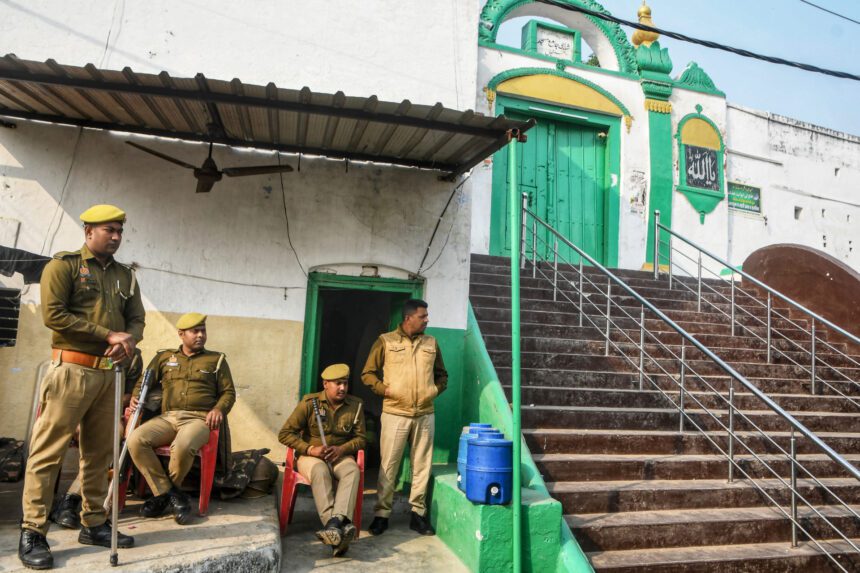
The ongoing violence and discrimination against Muslims in India, particularly in the northern states of Assam and Uttar Pradesh, demand urgent international attention and action. A recent report by a panel of independent human rights experts details a disturbing pattern of human rights abuses, raising fears that Muslims may become a persecuted minority in the country.
A Growing Trend of Human Rights Violations
Since 2019, a range of human rights organizations has documented increasing violence targeting Muslim communities in India. The authors of the report, including human rights lawyers such as Marzuki Darusman and Sonja Biserko, emphasize that credible evidence indicates serious violations, including extrajudicial killings and arbitrary detentions. This is especially evident in states like Assam and Uttar Pradesh, where the ruling Bharatiya Janata Party (BJP) implements laws and policies that have led to widespread violence against Muslims.
The chief ministers of these states, Yogi Adityanath of Uttar Pradesh and Himanta Biswa Sarma of Assam, have used their positions to propagate anti-Muslim rhetoric, creating an environment that legitimizes violence against the Muslim population. The introduction of discriminatory laws and policies has intensified their marginalization, enabling both government and private actors to perpetrate acts of violence with relative impunity.
Evidence of Systematic Crimes Against Humanity
In their latest report, released on March 31, the panel observed evidence suggesting that actions against Muslims in Assam may constitute crimes against humanity. The systematic stripping of citizenship rights from Bengali-speaking Muslims, along with forcible evictions and collective punishments, depicts a grim reality that parallels apartheid conditions. Instances of violent evictions have reportedly resulted in significant displacement, with over 17,000 forced to leave their homes.
Moreover, a notable trend of “encounter killings” by police has emerged, where officers kill suspects during confrontations, disproportionately affecting Muslims. Reports indicate that Uttar Pradesh has recorded 48 killings during police encounters since 2017, while Assam has seen 83 such incidents under Sarma’s governorship. Such actions not only reflect a deep-seated culture of impunity but also demonstrate a systematic targeting of Muslims through violent policing practices.
The Role of International Bodies and Need for Accountability
Despite the ongoing crisis, domestic mechanisms in India appear unwilling or incapable of providing justice. Independent investigations are crucial, yet the Indian government’s stance is largely dismissive of international calls for scrutiny. Various international human rights bodies, including the United Nations, have urged investigations into these violations. However, India’s strategic importance in global politics often allows it to evade accountability, leaving the Muslim population vulnerable to further abuses.
Given the alarming trends documented in the report, the international community is urged to take proactive steps, including imposing targeted sanctions on identified perpetrators and pressing for an independent fact-finding mission to investigate the ongoing abuses. Such actions may help shift the paradigm toward a more accountable governance structure in India.
Why It Matters
The rising violence against Muslims in India raises significant concerns not only for the country’s internal stability but also for global human rights practices. The normalization of discrimination based on religious identity threatens democratic values and could set dangerous precedents in other regions facing similar issues. Ignoring these patterns may eventually lead to large-scale humanitarian crises, similar to past genocides experienced in other parts of the world.
For technology and AI developers, understanding these dynamics is crucial in creating platforms and solutions that promote social cohesion and protect marginalized communities. Development initiatives should focus on fostering inclusive dialogue and ensuring that technologies are utilized to enhance rather than undermine human rights.
Frequently Asked Questions
What are the main human rights violations against Muslims in India?
Muslims in India face extrajudicial killings, arbitrary arrests, forced evictions, and systemic discrimination, particularly in states governed by the BJP.
What are “encounter killings”?
Encounter killings refer to incidents where police claim to kill suspects during confrontations. Such practices disproportionately target Muslims and are often characterized by a lack of accountability.
What international actions are being called for regarding the situation in India?
International bodies are urging independent investigations into human rights violations, the establishment of evidentiary repositories, and the imposition of targeted sanctions against individuals responsible for abuses.
Why is it important for the global community to act?
The ongoing violence and discrimination could escalate into mass atrocities if not addressed. Early intervention can help prevent further violations and promote accountability in governance.