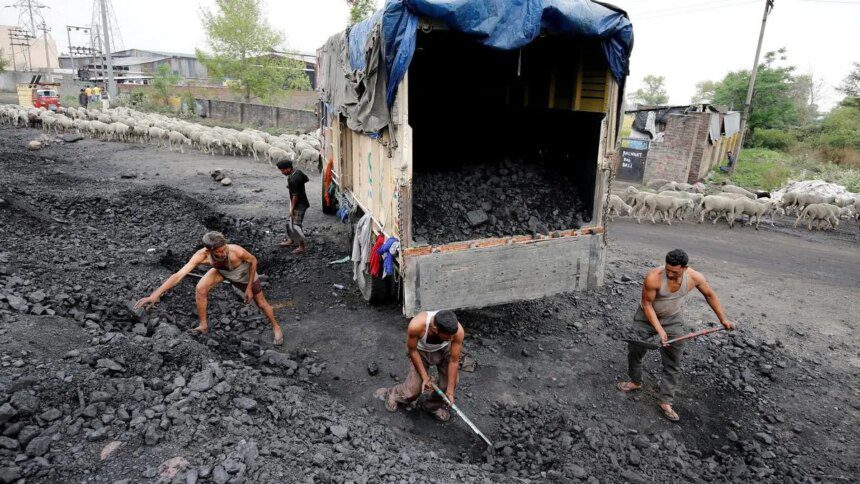

The Indian Central Government is taking proactive measures to address the ongoing power crisis in Punjab, attributed to reductions in power generation and insufficient coal supply. By allowing coal supplies from the Punjab State Power Corporation Ltd (PSPCL) to local independent power plants (IPPs), the aim is to ensure uninterrupted power delivery as 14-hour cuts have begun impacting factories and farms in the region.
Government Initiatives for Coal Supply
The Coal Ministry announced that adequate coal quantities have been secured for Punjab’s power plants. The measures include facilitating coal supplies from PSPCL’s own captive mines to independent power plants, combined with a commitment from Coal India Limited (CIL) to maintain fuel delivery across the nation, including Punjab.
This initiative is pivotal, considering that reports indicate ongoing 14-hour power cuts significantly impacting both agricultural sectors and manufacturing units. The ministry insists that increased operational efficiency at PSPCL’s facilities and accurate monitoring of issues at IPPs will be crucial in overcoming the current supply challenges.
Current Coal Supply Situation
The ministry provided certain statistics to emphasize its actions. For instance, in recent days, Nabha Power Limited (NPL) has seen an average coal supply of about 5 rakes per day, slightly exceeding its usual consumption of 4.3 rakes. Similarly, Talwandi Sabo Power Limited (TSPL) has been receiving 5 rakes per day against a consumption of approximately 3.8 rakes per day.
In September 2026, the average coal supply was recorded at 4.9 rakes per day for NPL, and 4.1 rakes for TSPL, both above their consumption levels. This indicates a stable supply situation, yet challenges still remain regarding the actual coal offtake from captive mines.
PSPCL’s Capacity Utilization
The Coal Ministry highlighted that, while coal supplies are being maintained, there are gaps in coal dispatch from PSPCL’s mines. For example, productivity at the Pachhwara Central mine has achieved only 83.67% of its annual target since April 2026, while dispatches have lagged at just 68.44%. This indicates a stockpile of approximately 3.21 lakh tonnes of unevacuated coal sitting at the mine.
The disparity between production and dispatch signifies a need for improved logistics and evacuation by the state-owned PSPCL, which is crucial for maximizing power generation from its plants. The ministry’s analysis suggests that more effective management of existing resources could significantly alleviate the ongoing power constraints faced by Punjab.
What This Means
The coal supply measures implemented by the Central Government are particularly critical as Punjab’s power crisis not only affects local industries but also has broader economic implications. A decline in power availability can lead to reduced productivity across sectors, slow the state’s economic growth, and potentially affect the employment rate within affected industries.
By ensuring coal supply, the government is taking necessary steps to stabilize the energy situation, which is instrumental for the agricultural seasons and manufacturing cycles in the state. This underscores the importance of holistic energy management and the continuous evaluation of resource allocation, especially in a nation where power reliability is essential for economic sustenance.
Frequently Asked Questions
What is the main reason for the power crisis in Punjab?
The power crisis in Punjab is primarily due to a combination of reduced power generation at thermal plants, plant outages, and inadequate coal supplies.
How is the government addressing the coal supply issues?
The Central Government is facilitating coal supplies from Punjab State Power Corporation Ltd’s captive mines to independent power plants and has emphasized ensuring adequate fuel availability for power generation.
What are rakes in the context of coal supply?
Rakes refer to the train units that carry coal from mines to power plants; one rake typically consists of multiple wagons loaded with coal.
Why is PSPCL’s capacity utilization important?
PSPCL’s capacity utilization directly impacts the power generation capability of the state. Efficient use of its plants and resources is essential to meet the energy demands and mitigate power cuts.