
YouTube’s decision to remove Anand Patwardhan’s documentary Father, Son and Holy War has reignited discussions about the challenges faced by anti-majoritarian expressions in India, highlighting the ongoing suppression of critical narratives concerning Hindu nationalism and its impact on Indian Muslims.
The Documentary’s Significance
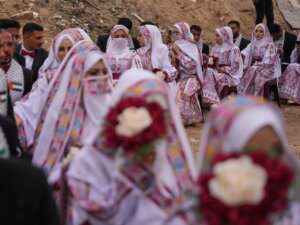
Father, Son and Holy War, created by eminent filmmaker Anand Patwardhan, delves into the connections between religious nationalism, violence, and patriarchal ideals in the context of anti-Muslim sentiment in India. Released in 1995, the documentary scrutinizes the political landscape surrounding the demolition of the Babri Masjid and the resultant communal violence that unfolded in Mumbai. This work, which offers a critical lens on the rise of Hindutva politics, received accolades such as two National Film Awards and a prime-time broadcast order from India’s Supreme Court.
Challenges of Censorship
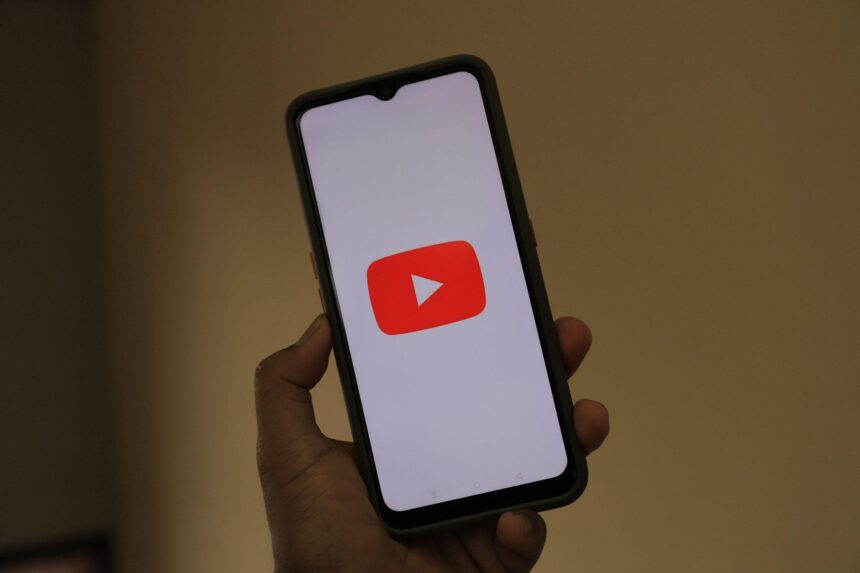
Despite its accolades and historical significance, Father, Son and Holy War faced immediate challenges in terms of visibility. Patwardhan revealed via social media that YouTube flagged the film for violent content, leading to its removal from his official channel. The filmmaker argued that the documentary serves as an exposé on violence rather than the glorification of it, stating, “It is a documentary that records the violence caused by religious fanatics and politicians vying for power.” The platform’s rationale underlines a broader trend of censorship aimed at materials that critique dominant political ideologies.
The Broader Implications for Society
The removal of Patwardhan’s documentary underscores a critical societal issue: the erosion of space for dissenting voices in contemporary India. This incident aligns with prior cases where his works, such as Ram Ke Naam, faced limitations from platforms like YouTube, often justified by claims of age restrictions or violent content. Such actions reflect ongoing pressures from extremist groups, inhibiting public discourse regarding communal violence and its historical contexts. The cultural narrative of India is shaped significantly by what is documented and preserved; thus, the restrictions on such critical works can hinder the collective understanding of India’s political and social fabric.
Why It Matters
The decision by YouTube to remove a historically significant documentary speaks volumes about content moderation trends that affect not only filmmakers and their narratives but also the broader social landscape. Understanding the implications of such decisions can help observers gauge the health of democratic discourse in India. For developers and users in the AI industry, the incident reflects the need for transparent and accountable content moderation practices that recognize the complex interplay of art, history, and politics. The case also serves as a reminder of the critical importance of preserving diverse narratives in the face of increasing polarization.
Frequently Asked Questions
What is the main focus of the documentary Father, Son and Holy War?
The documentary explores the intersections of religious nationalism, violence, and patriarchal ideals, particularly examining the anti-Muslim sentiments following the Babri Masjid’s demolition in 1992.
Why was the documentary removed from YouTube?
YouTube flagged the film for violent content, despite its historical significance and prior public recognition, leading to widespread concerns about censorship and the suppression of critical narratives.
What has been the filmmaker’s response to the removal?
Filmmaker Anand Patwardhan expressed that the documentary records violence rather than endorsing it, criticizing YouTube for bowing to pressures to remove such critical content.
How has censorship affected Patwardhan’s works in the past?
Patwardhan has faced multiple censorship battles, including restrictions on his film Ram Ke Naam, which was age-restricted by YouTube despite having a certificate from India’s censor board. He has accused these platforms of yielding to pressures from extremist groups.