
Summary of the Incident
A woman in Channagiri taluk, Davangere district, Karnataka, was allegedly drugged and gang-raped, leading to the arrest of ten individuals, including a minor. The incident, which reportedly involved the victim being incapacitated and assaulted, has raised significant attention, particularly regarding media coverage of the accused’s identities.
Details of the Alleged Crime
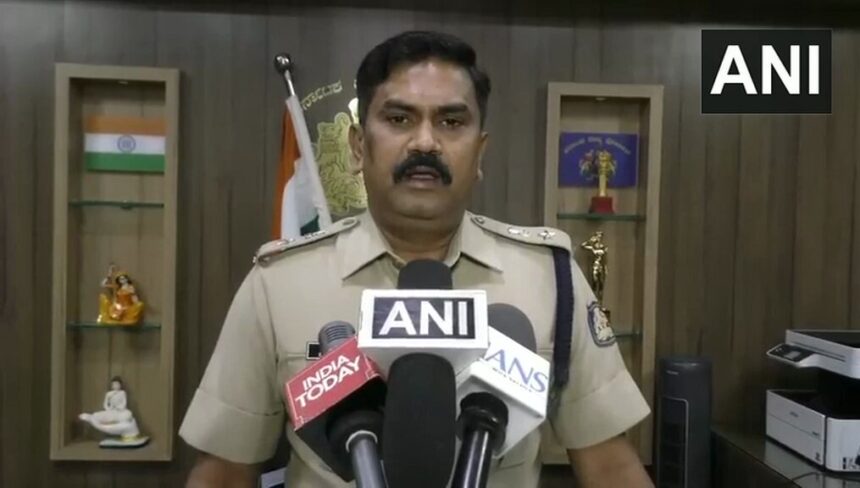
According to police statements, the incident occurred on June 3 at approximately 7:30 PM. The victim, after being offered a cold drink by the accused, fell unconscious. Subsequently, she was taken to a nearby field where the assault allegedly took place. The police noted that the assault was recorded and shared on social media, prompting the victim to file a complaint. All ten accused have been arrested, and investigations are ongoing regarding those who filmed the incident.
Public Reaction and Media Coverage
The case has sparked outrage across various social media platforms, with many users expressing concerns over the apparent inconsistency in media reporting. Notably, ANI, a prominent news agency in India, has a history of highlighting the communal identities of accused individuals; however, in this instance, the names of the arrested have been shared without referencing any communal background. This has led to claims that there is selective reporting, raising questions about accountability in the media.
Broader Context of Sexual Violence in India
This incident brings to light the persistent issues surrounding sexual violence in India. Despite numerous laws and regulations implemented to protect women’s rights, cases of sexual assault remain alarmingly frequent. The societal attitude towards women, combined with inadequate enforcement of legal provisions, continues to perpetuate a culture where such crimes are not only prevalent but often go unpunished. Activists and citizens alike have called for more rigorous action against sexual violence, stressing the need for a systemic change to safeguard women’s rights.
Why This Matters
The implications of this incident extend far beyond the immediate legal ramifications for the accused. It highlights systemic flaws within the societal, legal, and media frameworks that address sexual violence. The public’s polarized reception of media portrayal raises critical questions about bias and representation. Furthermore, it underscores the urgent need for holistic reforms to empower women and improve the judicial process in handling sexual assault cases. Often, these incidents serve as barometers for assessing the social climate and cultural attitudes toward gender-based violence in India.
Frequently Asked Questions
What are the current legal actions taken against the accused?
The Davangere police have arrested ten individuals, including a minor, following the victim’s complaint. Investigations are ongoing to gather more evidence and identify additional participants in the crime.
What measures are in place to protect victims in such cases?
In India, the Protection of Women from Sexual Harassment at Workplace Act and the Criminal Law Amendment Act are among the key legal frameworks designed to protect victims. However, enforcement and societal attitudes often hinder their effectiveness.
How has social media influenced public opinion regarding this incident?
Social media has played a crucial role in raising awareness and mobilizing public outcry against the crime. It has also provided a platform for discussions regarding media bias and the representation of accused individuals.
What trends have been observed in dealing with sexual violence cases in India?
There is a growing trend among civil society organizations and activists to advocate for stricter laws and prompt legal actions in cases of sexual violence. However, systemic issues, including stigma and victim-blaming, remain significant barriers.