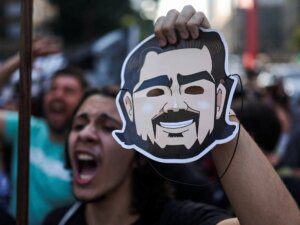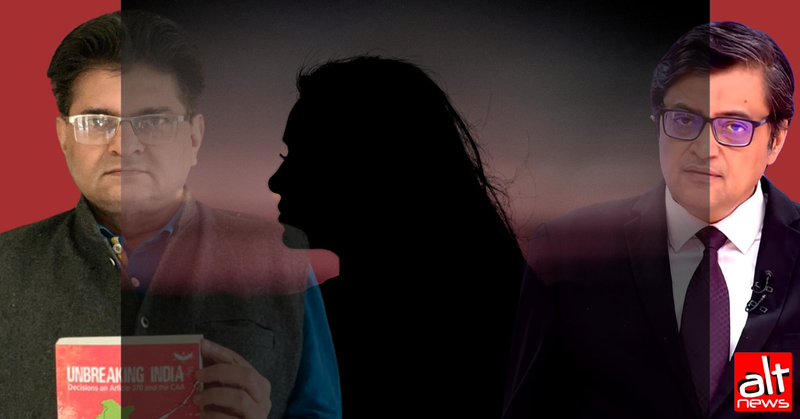

In the aftermath of the Citizen for Justice and Peace (CJP) protests, women protesters have faced severe backlash, including online harassment, doxxing, and threats. Prominent right-wing commentators and television anchors have contributed to this persecution, raising significant concerns about the impact of media on public discourse and personal safety.
Context of the Protests
The CJP protests have emerged as a crucial platform for discussing issues of justice, equity, and minority rights in India. Many women activists participated in these protests to advocate against perceived injustices within the socio-political landscape. However, the demonstrations sparked a counter-narrative driven by right-wing elements, who quickly organized online campaigns to discredit and intimidate the participants.
The Campaign Against Protesters
Shortly after the protests gained traction, a coordinated effort targeting prominent female protesters began to unfold on social media. Activists like Shinjinee Majumder, Ankita Mahalanobish, and Prantik Ali became subjects of intense scrutiny and condemnation. Their personal information was shared publicly, leading to threats and intimidation. This doxxing not only undermined their safety but also attempted to silence their voices in public discourse.
The Role of Media in Amplifying Harassment
Several mainstream television anchors took part in this backlash, contributing to a media trial that further vilified the women involved in the protests. By featuring the targeted activists in a negative light, these shows fueled existing narratives of fear and division. Such actions reflect a broader trend in which media platforms are used to either elevate or attack social movements, significantly impacting public perception.
Why This Matters
The implications of these events are profound for the Indian political ecosystem. The targeting of women protesters highlights the vulnerabilities faced by activists, particularly those advocating for marginalized communities. This not only raises questions about freedom of expression but also reflects the dangers inherent in politically motivated campaigns that aim to silence dissent. The societal ramifications are significant, as the persecution of activists can deter future participation in civic engagement, ultimately impacting the health of democracy in India.
Frequently Asked Questions
What is doxxing, and why is it significant in this context?
Doxxing refers to the practice of publicly revealing private or personal information about individuals, usually without their consent. In the context of the CJP protests, doxxing has been used to intimidate and threaten female activists, effectively targeting them for their participation.
How have media coverage and public discourse contributed to the harassment?
Mainstream media outlets have played a role in amplifying the narratives against protesters, often portraying them in a negative light. This coverage legitimizes harassment and contributes to a culture of fear, making it more difficult for individuals to express dissenting opinions safely.
What are the broader implications of this situation for women’s rights in India?
The aggressive targeting of female activists shows the ongoing challenges faced by women in asserting their rights and participating in public life. The harassment serves as a deterrent, potentially discouraging other women from engaging in activism, which can stifle progress towards gender equality and justice.
What steps can be taken to protect activists from harassment?
Increased awareness and stronger legislative measures are essential to protect activists. Authorities need to ensure that online abuse is prosecuted, and media ethics should be upheld to prevent the sensationalization of dissent. Support networks for activists can also help mitigate the risks involved in activism.