
Summary
Radha Semwal Dhoni, a leader associated with the far-right Hindutva organization Sanatan Sanskriti, has sparked outrage in Dehradun for encouraging locals to refrain from renting properties to Muslims. Her provocative actions and statements illustrate a growing trend of discrimination against minorities in India, highlighting the concerning rise of communal tensions.
Incidents of Discrimination and Violence
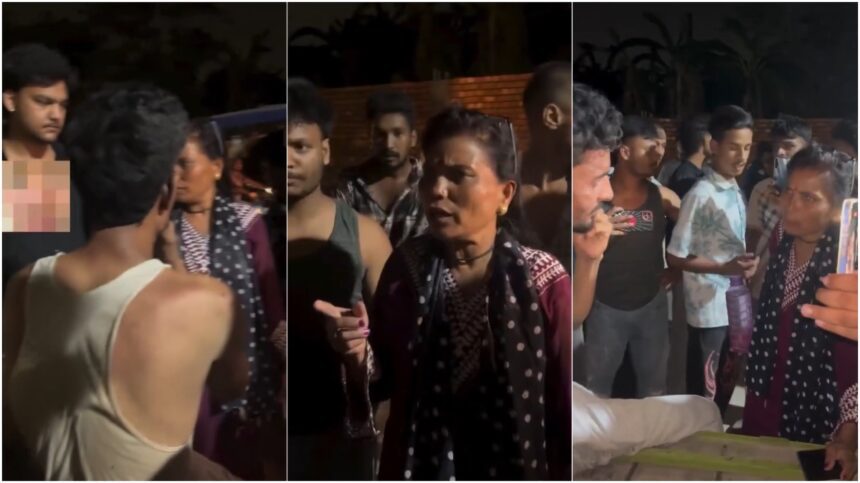
On June 30, a video went viral showing Semwal physically assaulting a young Muslim man, accusing him of staring at women. The footage depicts her slapping him, pulling his hair, and calling him derogatory names, including “mullah.” In an alarming display of vigilantism, she admonished residents against renting to Muslims and threatened to report those who do. “Whoever has kept Muslims as tenants, I will file a complaint against them,” she proclaimed, inciting fear among the local community.
Such instances are not isolated. Semwal has publicly advocated for the socio-economic boycott of minorities, including Christians. Videos circulating on social media depict her engaging in verbal and physical abuse against individuals she accuses of wrongdoing, often fueled by a sense of entitlement to enforce her beliefs on others. This pattern not only victimizes Muslims but also contributes to an atmosphere of hostility and division in society.
The Backdrop of Hindutva and Political Endorsement
Semwal’s actions must be seen within a broader context of the Hindutva movement and its alignment with the policies of the ruling Bharatiya Janata Party (BJP) in India. The BJP has faced criticism for fostering an environment where right-wing groups feel empowered to act against minorities. The party’s historical endorsement of Hindu nationalism has emboldened individuals like Semwal to pursue agendas of marginalization without fear of accountability.
The normalization of such behavior reflects a stark shift in societal values and governance. Social exclusion and economic boycotts promoted by individuals aligned with the BJP become tools for exerting pressure on minority communities, affecting their rights to safety, livelihood, and social stability.
Social Media’s Role in Amplifying Toxic Narratives
The rise of social media platforms has facilitated the spread of these exclusionary ideologies. Instances like Semwal’s can quickly gain traction, leading to a broader acceptance of hate speech and discriminatory practices. Online platforms serve as battlegrounds for communal rhetoric, impacting public perception and polarizing communities further.
Social media has also sparked debates about accountability and the role of technology companies in monitoring content that incites violence or discrimination. As these narratives become prevalent, their real-world consequences—physical violence, discrimination in housing, and broader socio-economic implications for targeted groups—must be critically examined.
Why It Matters
The events surrounding Radha Semwal Dhoni serve as critical indicators of rising communal tensions in India. They illustrate how far-right ideologies can permeate societal norms, leading to increased discrimination and social exclusion of minorities, particularly Muslims. For global observers and policymakers, these incidents underscore the need for mechanisms to foster social cohesion and ensure the protection of marginalized communities from violence and discrimination. Understanding these dynamics is essential for responses aimed at building inclusive societies and safeguarding human rights across diverse contexts.
Frequently Asked Questions
What actions has Radha Semwal taken against Muslims?
Radha Semwal has publicly called for a boycott of Muslim tenants and has been filmed physically assaulting a young Muslim man, accusing him of misconduct.
How does the Hindutva movement relate to the BJP’s policies?
The Hindutva movement promotes a Hindu nationalist agenda, which has been historically endorsed by the BJP. This support has emboldened right-wing groups to marginalize religious minorities.
What is the significance of social media in this context?
Social media amplifies discriminatory narratives and allows figures like Semwal to spread their ideologies widely, influencing public opinion and contributing to communal tensions.
What are the broader implications of Semwal’s actions for society?
Semwal’s actions and the response they generate highlight the increasing normalization of vigilantism and discrimination, threatening the social fabric and safety of minority communities in India.