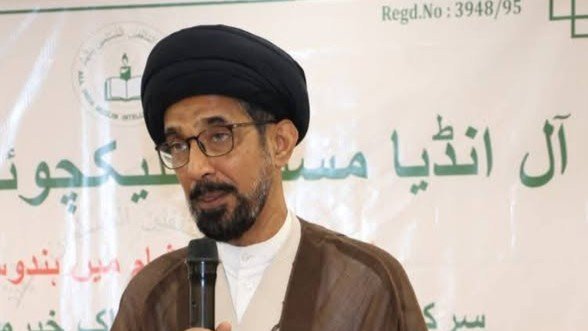

The proposed demolition of Maulana Mohammad Ali Jauhar University in Uttar Pradesh’s Rampur has sparked criticism from Muslim religious leaders. They urge the state government to protect this educational institution, emphasizing the need for resolution through legal channels rather than through demolition.
A Controversial Demolition Notice
The controversy began when the Rampur District Administration issued demolition notices for 38 out of the university’s 40 buildings, claiming they were constructed without approved building plans. Founded by Samajwadi Party leader Azam Khan, the university has become a focal point of contention amid discussions surrounding building regulations and community rights.
The university’s administration has been accused of violating local building codes, leading to potential irreparable harm to the institution and its students. The religious leaders have rebuked the authorities for their approach, calling for a nuanced treatment of the situation that respects the importance of education.
Voices Against Demolition
Shia Markazi Chand Committee president, Syed Saif Abbas Naqvi, expressed concern that demolishing the university would not solve the issues at hand: “It is a university, a centre of education. I admit that there may have been some irregularities and those should be removed,” he stated. Naqvi emphasized that imposing penalties for any infractions would be a more constructive solution.
He questioned the rationale behind treating the university differently from other institutions, pointing out that it accommodates students from various communities: “Do only Muslim students study there and not non-Muslims?” His comments highlight the broader implications of this situation for educational equality.
The Future of Education at Stake
All India Imam Association president, Maulana Sajid Rashidi, also voiced his concerns, stressing that the university should not be seen as the property of any single individual. He warned that aggressive actions against educational institutions could severely impact the future of students. Rashidi suggested that instead of demolition, the authorities should take administrative control if illegality was confirmed.
By calling for the university to remain operational, despite potential regulatory shortcomings, Rashidi reiterated the necessity of safeguarding students’ futures. His remarks underscore the crucial role educational institutions play in fostering community development and social upliftment.
Building Tensions and Broader Implications
The demolition notices have mobilized various Muslim organizations and leaders, uniting them against the perceived marginalization of Muslim educational institutions. This incident echoes a broader trend of targeting minority institutions under the current political landscape, raising questions about the state’s commitment to education as an inclusive right.
By threatening demolition, the government not only risks an educational void but also exacerbates social tensions, fostering a sense of exclusion among minority communities. The issue touches on deep-seated concerns regarding discrimination and the ongoing struggle for equitable treatment in civic and educational matters.
Why It Matters
The situation surrounding Maulana Mohammad Ali Jauhar University represents more than just a legal dispute; it serves as a lens through which to view the broader dynamics of social discrimination and political influence in India. The implications reach far beyond the immediate context, highlighting systemic issues facing minority communities and educational institutions. If unresolved, such actions could set a precedent for further marginalization of educational entities, adversely affecting access to education for underrepresented groups and stifling future growth.
Frequently Asked Questions
What is the reason behind the demolition notices issued for the university?
The Rampur District Administration claims that 38 of the university’s 40 buildings were constructed without approved building plans.
Who founded Maulana Mohammad Ali Jauhar University?
The university was founded by Azam Khan, a prominent leader of the Samajwadi Party.
What do the critics propose instead of demolition?
Critics, including religious leaders, suggest that the government should impose fines for any construction irregularities rather than demolish the university.
Why is the discussion around this university significant for broader communities?
The university serves as an educational center for students from various communities, and its fate raises concerns about the treatment of minority institutions and the future of equitable access to education in India.