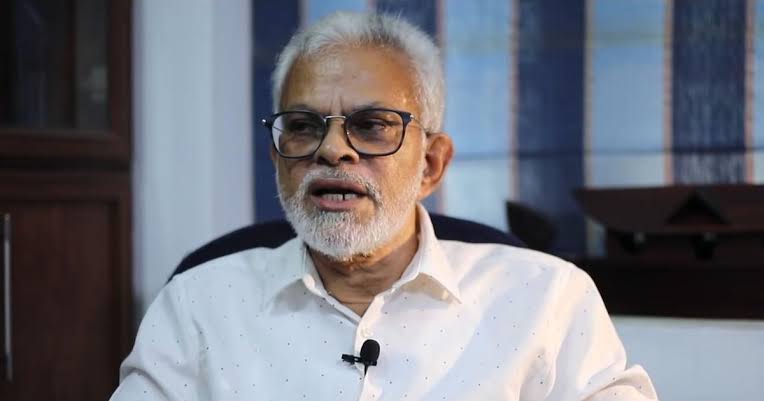

The Delhi court’s recent denial of bail to Erappungal Abubacker, the founding chairman of the banned Popular Front of India (PFI), underscores a broader pattern of governmental actions perceived as discriminatory against Muslims in India. Arrested under serious charges, Abubacker’s continued detention and deteriorating health raise significant questions about judicial fairness and the treatment of minority communities under the current political regime.
Context of the Arrest
Erappungal Abubacker has been in custody since September 22, 2022, following his arrest by the National Investigation Agency (NIA). His case is part of a wider crackdown on the PFI, which the Indian government has labeled a terrorist organization. The NIA, a federal agency, argued that substantial evidence warranted the framing of charges against Abubacker. A special NIA judge concluded that there were no grounds to grant bail, despite the defense’s claims of inadequate evidence and Abubacker’s serious health issues.
Critics argue that such actions contribute to a climate of fear and marginalization within the Muslim community in India. This sentiment was echoed in the courtroom where Abubacker’s lawyer pointed out health complications that have arisen, including recent hospitalizations. Observers note that the justification for this crackdown often lacks transparency and tends to disproportionately target minority groups.
Health Concerns and Legal Proceedings
Abubacker, now facing nearly four years in custody, suffers from various health complications, including Parkinson’s Disease and Coronary Artery Disease. His deteriorating condition has drawn concern from family and rights organizations, sparking discussions about the treatment of inmates in Indian jails. The court has been assured by NIA counsel that he is receiving proper medical care, yet questions about the adequacy of such treatment remain unresolved.
This situation is indicative of broader systemic issues regarding health care access for detainees, particularly for marginalized populations. The judicial process itself has also been scrutinized, with delays and perceived biases raising alarm about the fundamental rights of individuals accused under politically charged cases.
Political Ramifications and Public Reaction
The legal battles involving the PFI and its leaders are occurring against a backdrop of alleged political vendettas by the ruling Bharatiya Janata Party (BJP) and associated organizations. Various Muslim advocacy groups and rights organizations have condemned the ban on PFI, claiming it is part of a wider agenda aimed at suppressing dissent and targeting Muslims in India.
There is an ongoing debate about the intersection of religion and politics in India, particularly regarding legal actions perceived as unfairly targeting communities based on their faith. The framing of charges against Abubacker and other PFI members includes allegations of conspiracy to overthrow the Indian government, raising alarms about civil liberties and the rights to free speech and assembly.
Why It Matters
The Abubacker case highlights significant issues around discrimination and social exclusion within Indian society, particularly as they affect Muslims. The implications extend beyond the individual case, influencing perceptions of justice and equality in India. The judicial decisions reflect broader societal dynamics, where minorities often feel targeted by state actions. Understanding these nuances is crucial for anyone analyzing the socio-political fabric of contemporary India, especially in discussions about human rights, minority rights, and the implications of government policies.
Frequently Asked Questions
What are the charges against Erappungal Abubacker?
Abubacker faces serious charges including those under the Indian Penal Code and the Unlawful Activities (Prevention) Act (UAPA) related to allegations of conspiracy to allegedly overthrow the Indian government.
How long has Abubacker been in custody?
Abubacker has been in custody since September 22, 2022, making it nearly four years of detention without bail.
What health issues is Abubacker facing?
He has multiple serious health issues, including Diabetes Mellitus with Retinopathy, Hypertension, Parkinson’s Disease, and Coronary Artery Disease, along with recent concerns regarding chest infections and fluctuating vital signs.
What is the broader significance of this case within Indian society?
The case highlights ongoing discrimination against Muslims in India, raising concerns about judicial fairness, civil liberties, and the treatment of minority communities under current governmental policies.