Summary
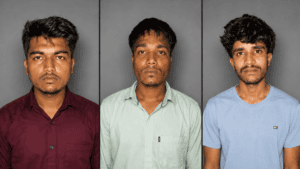
Three young Muslim men from Laluk in Assam’s Lakhimpur district were arrested by Assam Police for allegedly attempting to organize a protest supporting a broader youth movement that led to the resignation of Union Education Minister Dharmendra Pradhan. Their arrests have sparked controversy, with allegations of religious discrimination and unwarranted targeting of the Muslim community amid rising tensions surrounding freedom of expression in India.
The Arrests: Context and Reactions
On July 23, Monjur Rahman (23), Ashraful Islam (21), and Abdul Kashem (23) were detained by the Assam Police as they aimed to initiate a peaceful demonstration. Monjur and Ashraful are both pursuing their Master’s degrees in Commerce, while Abdul, who holds a degree in pharmaceutical science, teaches at a private school. According to their families, the three individuals created a WhatsApp group to coordinate their protest and sought permission from the Laluk Police Station, which was outright denied.
Monjur’s father, Mozibur Rahman, voiced concerns about the legality of the arrests, stating, “My son has not done anything unconstitutional by trying to organize a protest.” He argued that there are many ongoing protests across India without similar repercussions. Ashraful’s father, Ayub Ali, accused authorities of targeting their community, noting that individuals from different social backgrounds have organized protests without facing such serious consequences.
Legal Charges and Police Justifications
Following their arrests, the police charged the three men under several sections of the Bharatiya Nyaya Sanhita, including Section 152, which pertains to acts that threaten India’s sovereignty, unity, and integrity. This legal basis for their detention raises questions about the thresholds for such charges, particularly when the individuals had yet to conduct any protest.
The courts, valuing the right to a fair trial and proper procedures, declined the police’s request for custodial interrogation and instead remanded the trio to judicial custody. This decision is significant as it reflects the judiciary’s role in checking the powers of the state, especially in politically sensitive cases involving young activists.
Broader Implications for Freedom of Expression
This incident has broader implications for the climate of dissent in India, particularly concerning the Muslim community. In recent years, there has been growing apprehension regarding how protests and activism are handled by the authorities, especially when they originate from religious minorities. The arrests of Monjur, Ashraful, and Abdul have highlighted fears of systemic discrimination against Muslims in India and the perceived disproportionate application of laws against this community.
The idea that their intentions were peaceful raises a critical issue regarding freedom of expression and the right to protest in a democratic society. As citizens witness selective enforcement of the law, calls for accountability grow louder, impacting not only those directly involved but also the wider social fabric of the nation.
Why It Matters
The situation underscores the significance of civil liberties in any democratic nation. As backlash against certain communities intensifies, it poses a challenge for both citizens and the international community in understanding the fragility of rights in India. The ramifications extend beyond immediate personal consequences for the arrested individuals; they touch upon larger discussions about governance, minority rights, and the rule of law in a diverse society like India. Disrespect for these fundamental tenets could lead to tensions that further marginalize already vulnerable communities, altering the social landscape and pushing dialogue towards confrontation rather than cooperation.
Frequently Asked Questions
What led to the arrests of the three young men in Assam?
The three men were arrested for allegedly attempting to organize a protest in support of a nationwide youth movement calling for the resignation of Union Education Minister Dharmendra Pradhan. They had created a WhatsApp group for coordination and sought permission from the police, which was denied.
What charges were brought against them?
They were charged under Sections 61(2)(b), 353(1), and 152 of the Bharatiya Nyaya Sanhita, with Section 152 relating specifically to acts perceived as endangering India’s sovereignty, unity, and integrity.
What has been the response from their families?
The families of the men have expressed concerns over the legality of the arrests, claiming that their sons did nothing unconstitutional by attempting to organize a peaceful protest. They also highlighted a perceived bias in how the police targeted Muslim youths compared to others organizing protests.
What does this incident indicate about political climate in India?
This incident raises alarms about the protection of civil liberties in India, particularly regarding the treatment of religious minorities. It underscores a growing concern about the potential suppression of dissent and the disproportionate targeting of specific communities in the context of protests and activism.