
Summary
Indian officials have responded with outrage to comments made by Pakistan’s President Asif Ali Zardari regarding the threat to the historic Masjid Ganj Shaheeda mosque in Varanasi. The mosque, nearly 1,000 years old, faces potential demolition amid a controversial anti-encroachment drive by Indian authorities, raising significant concerns regarding minority rights and heritage protection in India.
Context of the Mosque’s Demolition Threat
The Masjid Ganj Shaheeda, located in the ancient city of Varanasi, is under threat of demolition as part of a broader anti-encroachment initiative aimed at urban development. This campaign has already resulted in the destruction of numerous houses, temples, and mosques to facilitate road widening.
On June 12, a notice appeared on the mosque’s wall, labeling it as an “illegal construction on railway land.” The notice warned that failure to remove the mosque would lead to its demolition. However, this notice raised questions due to the absence of official stamps or signatures, calling into doubt its legitimacy.
Pakistan’s Response and India’s Rebuttal
President Zardari expressed profound concern over the potential destruction of the mosque and urged India to cease its actions, warning that such measures could lead to chaos and disintegration within the country. His office emphasized the need for respect regarding minority rights and shared cultural heritage.
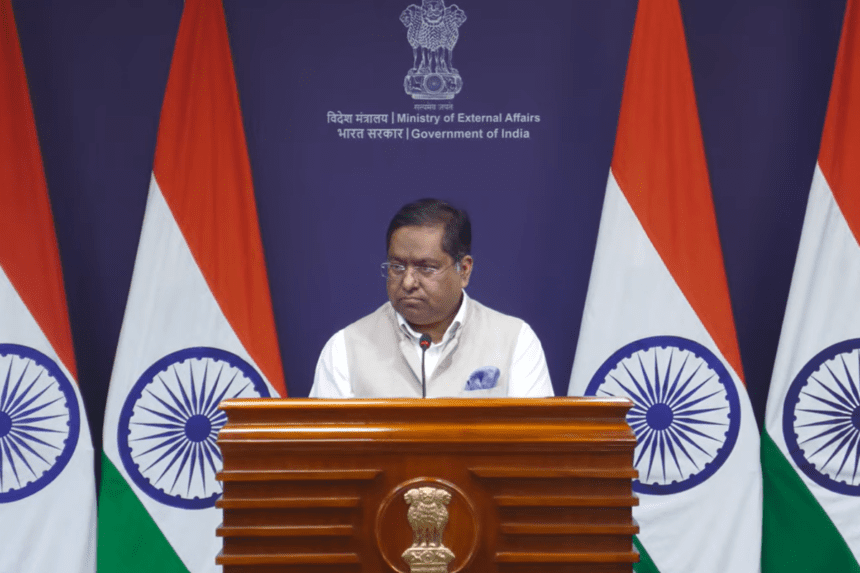
In stark contrast, India’s Ministry of External Affairs (MEA) promptly rejected Zardari’s remarks. Spokesperson Randhir Jaiswal stated that Pakistan has no standing to interfere in India’s internal matters, especially given its own poor record on human rights. The MEA emphasized that Pakistan’s systemic targeting of minority groups should disqualify it from commenting on India’s policies.
The Broader Impact on Muslim Communities in India
The threat to the Masjid Ganj Shaheeda is indicative of larger patterns of discrimination and marginalization impacting Muslim communities across India. The current governance under the Bharatiya Janata Party (BJP) and its affiliates has been criticized for fostering an environment of social exclusion and economic boycotts against Muslims.
Histories of communal tension have been exacerbated in recent years, leading to increased scrutiny of Muslim cultural sites and religious practices. The repercussions of these actions extend beyond physical structures; they threaten the socio-cultural fabric where diverse beliefs once coexisted. Reports of violence and social unrest fueled by polarized politics have further marginalized Muslim voices in India.
Why It Matters
The discussion surrounding the mosque demolition is significant not only for its immediate implications for the community involved but also for the broader dynamics of religious freedom and human rights in India. The central government’s policies could serve as a precedent for how religious minorities are treated in a country where nearly 14% of the population is Muslim. This reflection on minority rights is crucial for global observers who monitor how democracy functions in diverse societies. Furthermore, the intersecting issues of heritage preservation and urban development policies could impact future city planning and community relations in India.
Frequently Asked Questions
What is the significance of the Masjid Ganj Shaheeda?
The Masjid Ganj Shaheeda is an ancient mosque in Varanasi, holding historical and cultural value. Its potential demolition has drawn attention to the treatment of Muslim religious sites in India.
What did President Zardari say about the mosque?
President Zardari urged the Indian government to halt demolition plans for the mosque, highlighting the need for respect regarding minority rights and cautioning against actions that could destabilize the region.
How did the Indian government respond to Zardari’s remarks?
The Indian Ministry of External Affairs rejected Zardari’s comments, stating that Pakistan has no right to interfere in India’s internal issues, particularly given its poor human rights record.
What does the anti-encroachment drive entail?
The anti-encroachment drive launched in Varanasi aims to clear structures deemed illegal, affecting houses, temples, and mosques to facilitate urban development and road widening.