
Summary
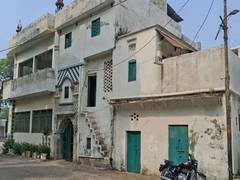
The recent court ruling in Saharanpur, Uttar Pradesh, highlights growing concerns regarding the treatment of religious minorities in India, particularly Muslims. The City Magistrate has ordered the demolition of an illegal mosque on government property and imposed a hefty fine of over Rs 6 crore, presenting a stark example of increasing scrutiny and action against religious structures in sensitive areas.
Context of the Demolition Ruling
The court deemed the mosque illegal after a complaint from Vikas Tyagi, a former provincial coordinator of the Bajrang Dal, who claimed that the mosque’s presence compromised the security and confidentiality of the District Magistrate office. According to the complaint, the mosque was not only a site for prayer but was also allegedly being used for commercial purposes, with a post office operating nearby and rooms rented out to outsiders. The court’s decision elicited immediate execution orders for demolition, reflecting an intensified focus on regulating religious establishments within government premises.
Wider Implications for Religious Structures
This demolition is part of a broader trend seen across Uttar Pradesh where several illegally constructed religious sites, particularly mosques, have been taken down by local authorities. The administration’s rationale frequently centers around issues of land encroachment and security, raising questions about the criteria used for such actions. This move is not isolated; it follows the controversial demolition of a portion of the Madni Mosque in Kushinagar, also cited for alleged encroachment. The complex legal battles surrounding these demolitions suggest a contentious relationship between the state and minority communities, further fueling narratives of discrimination against Muslims in India.
Political Backdrop and Community Concerns
The actions of the local administration resonate deeply within the socio-political landscape of India, particularly considering the Bharatiya Janata Party (BJP) and its allied organizations, such as the Rashtriya Swayamsevak Sangh (RSS), often perceived as promoting a majoritarian agenda. Such demolitions can be viewed as an extension of policies that marginalized Muslim communities, as they often face heightened scrutiny and restrictions compared to their Hindu counterparts. The legal recourses available for communities facing such actions, like the stayed demolition at the Madni Mosque, underline the ongoing struggle for legal rights amid strict enforcement by government bodies.
Why It Matters
The situation in Saharanpur is emblematic of broader patterns affecting religious minorities in India. It raises significant concerns regarding human rights, freedom of religion, and equitable treatment under the law. For global audiences and organizations observing these dynamics, the implications of such rulings extend into questions of social justice, governance, and the international community’s response to human rights issues. Understanding these cases is vital for shaping inclusive policies that respect diverse beliefs while maintaining public order and security.
Frequently Asked Questions
What prompted the demolition of the mosque in Saharanpur?
The demolition was ordered after a complaint was filed claiming that the mosque was illegally constructed on government land, leading to issues related to security and misuse of the premises.
What fine was imposed on the mosque’s occupants?
A fine of approximately Rs 6.41 crore was levied on the occupants of the mosque for illegal encroachment and the misuse of government land.
How does this incident reflect broader patterns in Uttar Pradesh?
This incident is part of a growing trend in Uttar Pradesh, where multiple religious structures, particularly those belonging to Muslims, have faced similar scrutiny and demolition, raising concerns over discrimination and community rights.
What has been the community’s reaction to such demolitions?
The community reactions to these demolitions often involve legal challenges and public outcry against perceived discrimination, highlighting ongoing tensions between the state and religious minorities.