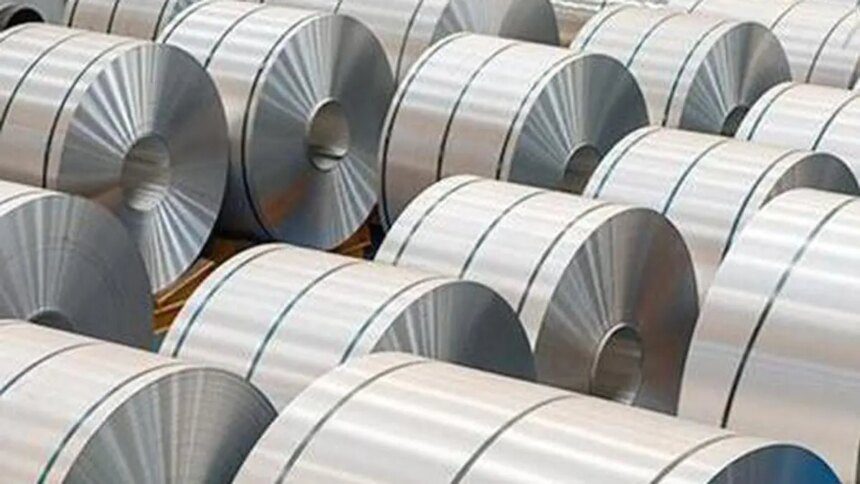

The Aluminium Secondary Manufacturers Association (ASMA) and other industry bodies are advocating for a reduction in customs duties on primary aluminium and aluminium scrap. They argue that the existing tax structure is a significant burden on micro, small, and medium-sized enterprises (MSMEs) in the sector, especially amidst rising raw material costs and global economic challenges.
The Current Landscape for MSMEs in the Aluminium Sector
Downstream aluminium manufacturers, primarily MSMEs, are grappling with increasing input costs due to high global aluminium prices, escalating freight charges, and unpredictable energy prices. The effective customs duties—8.25% on primary aluminium and 2.75% on aluminium scrap—have compounded the situation, making it difficult for these small units to compete with larger entities.
In their joint representation to the mines ministry, ASMA, along with the Cables and Conductors Manufacturers Association of India (CACMAI) and the Federation of All India Aluminium Utensils Manufacturers (FAIAUM), highlighted these growing pressures. They noted that while India’s per capita aluminium consumption stands at a modest 2.5 kg, significantly less than the global average of 11 kg, the rising costs threaten to stifle growth in a sector where efficiency and competitiveness are paramount.
Implications of High Input Costs
The associations reported a dramatic compression of profit margins for downstream aluminium MSMEs, which have reportedly shrunk by up to 70% in recent years. In just the last three months, input costs have surged by 20-35%. This situation has prompted calls for a revision of the current duty structure, which they argue creates an “inverted playing field.” While finished aluminium products benefit from preferential trade agreements allowing near-zero duty, primary aluminium remains taxed heavily, adversely affecting those who rely on raw materials.
This disparity adds another layer of complexity, where sectors involved in cables, conductors, transmission, energy storage, extrusions, foundries, and recycling are particularly vulnerable. The imposition of the European Union’s Carbon Border Adjustment Mechanism could further undermine the competitiveness of Indian aluminium exporters, leading to potentially deeper repercussions throughout the value chain.
Calls for Change and Government Response
The industry representatives are requesting a reduction in customs duties to ease the financial strain on MSMEs, asserting that such a legislative change is crucial to the long-term viability of the sector. They are prepared to present their case in person to the mines ministry, emphasizing that the ministry’s vision for increased value addition from domestic alumina can only be achieved if primary aluminium is sensibly priced for downstream users.
Industry leaders stress that resolving these issues is essential, not just for the downstream segment but for the overall health of India’s aluminium sector, which is critical to multiple industries, including construction, automotive, and electronics. The push for duty cuts aligns with a broader strategy to enhance domestic production capabilities while fostering an equitable trade environment.
What This Means
For Indian readers, particularly those involved in the aluminium sector or related industries, this ongoing dialogue between industry associations and the government highlights the crucial balance between protecting domestic producers and ensuring competitive dynamics within the market. Should the government respond positively to these requests, it could facilitate greater efficiency and expansion among MSMEs, fostering an environment conducive to growth. Conversely, failure to address these concerns may jeopardize the stability of the sector, reducing India’s competitiveness in a global market increasingly focused on sustainability and cost-effectiveness.
Frequently Asked Questions
What customs duties are currently in place on aluminium in India?
As of now, the customs duty stands at 8.25% on primary aluminium and 2.75% on aluminium scrap.
Why are MSMEs in the aluminium sector under pressure?
MSMEs are facing severe cost pressures due to rising global prices, increasing freight costs, and energy volatility, which have collectively squeezed profit margins significantly.
What impact could a duty cut have on the aluminium market?
A reduction in customs duties could lower input costs for downstream manufacturers, enhance capacity utilization, and boost the competitiveness of Indian aluminium products in global markets.
What are the broader implications for India’s aluminium industry?
Changes to the duty structure could ultimately influence domestic production capacities and consumption rates, impacting sectors such as construction, automotive, and electronics that rely heavily on aluminium as a fundamental material.