
Summary
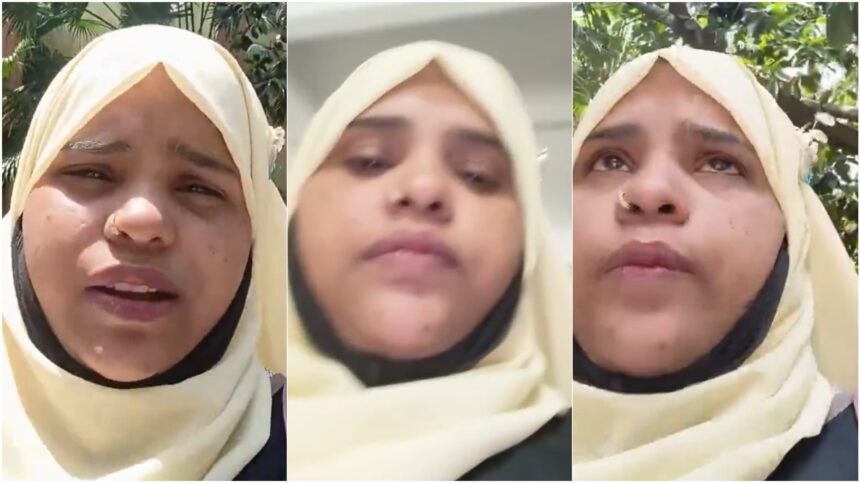
A Muslim woman has reported an incident at Ursula Horman Memorial Hospital in Kanpur, Uttar Pradesh, where she was allegedly asked to remove her hijab before receiving medical assistance, citing security concerns. This incident has sparked discussions on religious discrimination, particularly against Muslim women, in public healthcare settings and raises questions regarding existing security protocols.
Incident Overview
The woman, who shared her experience through a video that emerged online, detailed how she waited for 30-60 minutes after receiving her token number. When she was finally seen by two female doctors, they informed her that her hijab needed to be removed due to claims of “security concerns” related to thefts occurring within the hospital. The woman expressed confusion and frustration over this directive, questioning the rationale behind it: “I can understand a request to remove a mask, but removing the hijab?”
In the video, she made a poignant argument highlighting the absurdity of the request, pointing to surveillance cameras already securing the premises. “If thefts are happening, what does that have to do with us? When cameras are installed, what are you afraid of?” she asked. Her rhetorical questions reflect a broader concern about the treatment of Muslim individuals in situations where cultural and religious practices intersect with institutional policies.
Allegations of Discrimination
The woman raised a significant point regarding selective enforcement of the hospital’s policies. She claimed that non-Muslim women were not subjected to similar restrictions, illustrating a perceived double standard. This disparity added layers to her argument that the request was not merely about security but was discriminatory in nature. “Hindu girls and women are all going in. Why are only Muslims being targeted?” she stated. Her remarks reveal underlying tensions within Indian society, particularly in light of policies and rhetoric from the ruling Bharatiya Janata Party (BJP) that have contributed to an environment where religious minorities often feel marginalized.
The incident has attracted strong reactions on social media, with various commentators and advocates voicing their concerns about systemic biases. Criticism is directed not only at the hospital’s immediate actions but also at the wider social climate that permits such discriminatory practices to occur without accountability.
Implications for Religious Freedom
This event raises critical questions about religious freedom and the extent to which personal beliefs are respected in public institutions in India. The enforcement of dress codes or other personal requirements in healthcare settings can lead to a feeling of exclusion and discrimination among minority communities. This is not an isolated instance; it reflects a growing trend where cultural expression is challenged under the guise of security and safety.
The situation at Ursula Horman Memorial Hospital highlights the delicate balance between ensuring safety in public spaces and honoring individual rights. In a diverse society like India, policies that disproportionately affect certain communities demand scrutiny and reevaluation. The lack of a timely response from the hospital administration remains a point of concern, as it reflects either indifference or unwillingness to address serious allegations of discrimination.
Why It Matters
The implications of this incident extend far beyond the immediate context of healthcare. It underscores ongoing tensions concerning religious identities in India, particularly for Muslims in a predominantly Hindu society. Discussions surrounding discrimination in healthcare settings contribute to the broader narrative of social exclusion, impacting public trust in medical institutions and potentially influencing health outcomes among marginalized communities.
For the AI industry and developers, the handling of sensitive data regarding religious and cultural practices within public domains poses ethical challenges. Understanding the socio-political dynamics behind incidents of discrimination can inform the development of AI models that respect cultural values while ensuring equitable service provision.
Frequently Asked Questions
What happened at Ursula Horman Memorial Hospital?
A Muslim woman was allegedly asked to remove her hijab due to purported security concerns before receiving medical attention, leading to claims of discriminatory practices against Muslim women in the hospital.
Why was the woman asked to remove her hijab?
Hospital staff reportedly cited security concerns related to thefts on the premises as the reason for the request to remove the hijab.
Was this a one-time incident or part of a larger trend?
While this specific incident is currently under scrutiny, it reflects a broader trend of religious discrimination that has been reported in various sectors within India, especially against Muslim women.
What actions have been taken by the hospital administration?
As of now, the hospital administration has not provided an official response to the incident, which has led to public outcry and calls for accountability in their practices.