
Rising Tensions: Iranian Warning to the U.S. Over Israeli Actions
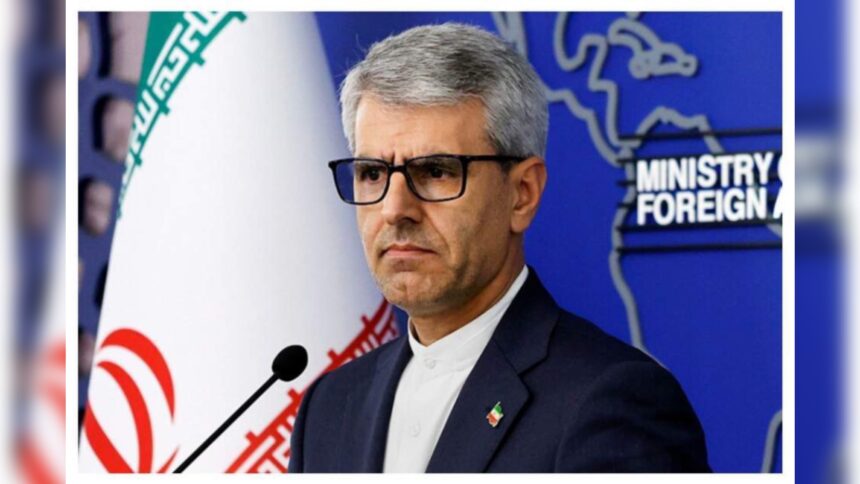
In a pointed briefing on June 8, Iranian Foreign Ministry spokesman Esmail Baghaei warned the United States of its direct responsibility for escalating tensions in the Middle East, attributing regional conflicts to Israeli actions supported by U.S. coordination. He emphasized that any further military maneuvers would reflect on Washington, indicating a strong connection and operational alliance between U.S. and Israeli forces.
U.S.-Israel Coordination Accused of Fueling Regional Conflict
Baghaei accused the United States of instigating regional conflict under the guise of support for Israel, claiming that the U.S. is consciously driving these dynamics to impose war on Iran. He stated, “The United States bears responsibility for the Israeli regime’s aggression, and it will also be responsible for the consequences of any escalation in tensions.” This statement highlights how deeply intertwined U.S. foreign policy is with Israeli military operations.
The spokesman specifically pointed out that there is no belief in the region that Israel would act independently of U.S. backing. He claimed there exists a “fully operational coordination” between U.S. Central Command (CENTCOM) and Israeli defense forces, both in offensive and defensive strategies, undermining U.S. claims of being uninvolved in direct assaults against Iranian interests.
Ceasefire Agreements and Accountability
Baghaei stressed that the United States is a party to the April 8 ceasefire agreement and will be held accountable for any violations, whether carried out by U.S. forces or through their Israeli allies. “Whatever happens in the region—whether the U.S. violates the ceasefire by attacking Iranian commercial ships or through Israeli actions in Lebanon—the direct responsibility of the United States is clear,” he declared.
The implications of these policies are significant, as they indicate a broader strategy aimed at perpetuating hostilities in the region, which could destabilize not just Middle Eastern countries but also impact global economic and political landscapes.
Why It Matters
The current tensions between Iran and the U.S., catalyzed by Israeli actions, exemplify the complex nature of geopolitical alliances and conflicts. These events have far-reaching consequences, including potential disruptions to global oil supplies, an increase in military expenditures by surrounding nations, and the rise of sectarian violence. For international observers, understanding these dynamics is essential in predicting future conflicts and managing responses to escalating military risks. The intricate web of U.S. and Israeli operational alignment further complicates diplomatic engagements aimed at fostering peace in the region.
Frequently Asked Questions
What was Iran’s warning to the U.S. regarding Israeli actions?
Iran’s Foreign Ministry spokesman, Esmail Baghaei, warned the U.S. that it bears responsibility for Israeli aggression and any resulting escalation in tensions within the Middle East.
How does the U.S. influence Israeli military operations?
Baghaei claimed that there is a deep operational coordination between the U.S. Central Command and Israeli forces, suggesting that U.S. support plays a critical role in Israeli military decisions.
What is the April 8 ceasefire agreement related to?
The April 8 ceasefire agreement is a framework in which both the U.S. and Iran are parties, with accountability for any potential breaches attributed to either side, including violations by Israeli forces.
What potential consequences can arise from escalating tensions in the region?
Escalating tensions may lead to destabilization in the Middle East, impacting global economic stability, increasing military expenditures in neighboring countries, and inciting sectarian conflicts.