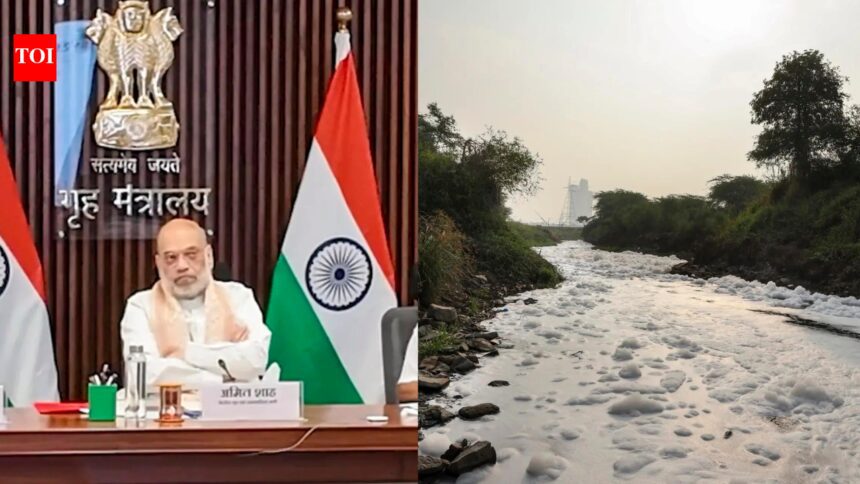

Yamuna Rejuvenation Plan Gains Momentum Under Amit Shah’s Leadership
Home Minister Amit Shah convened a crucial meeting on October 2, 2023, to propel the rejuvenation of the Yamuna River, urging the governments of Delhi, Haryana, and Uttar Pradesh to collaborate on an integrated action plan. Key measures were discussed, including enhanced sewage treatment, industrial waste management, and the conversion of dairy waste into renewable energy.
Collaborative Efforts for Infrastructure Development
During the meeting, Shah emphasized the necessity for teamwork among the three states to ensure a standard ecological flow in the Yamuna. This involves managing the river’s water quality, quantity, and timing—key factors that support its ecosystem. Currently, 128 sewage treatment plants (STPs) are operational, with an additional 99 expected to be established by the end of 2027.
Shah highlighted the importance of stringent monitoring of STPs as well as industrial effluents. He directed the swift construction of common industrial effluent treatment plants (CETPs) to effectively manage waste from industries alongside dairy waste management initiatives. This extensive plan seeks to ensure that environmental needs are met sustainably.
Conversion of Dairy Waste and Environmental Strategies
A significant focus of the meeting was on an impending memorandum of understanding (MoU) between the Municipal Corporation of Delhi (MCD) and the National Dairy Development Board (NDDB). This agreement aims to halt the discharge of dairy waste directly into the Yamuna, paving the way for the waste to be converted into ‘gobar gas’ and organic manure. The strategy involves the scientific management of waste from dairies and cow shelters, which will be directly transported to biogas and manure plants.
Further, Shah reported progress in the desilting of drains that empty into the Yamuna, stating that around 97% of the estimated 28.6 lakh million tonnes of silt has already been removed. The extracted silt will be utilized in various manufacturing projects, preventing it from recontaminating the river during heavy rainfall.
Future Roadmap for Yamuna Management
In outlining the way forward, Shah called for the formulation of a detailed, time-bound roadmap for the rejuvenation initiatives surrounding the Yamuna, accompanied by provisions for their sustained maintenance. He stressed the importance of having regular evaluations of all water sources feeding into the river, keeping track of parameters such as biochemical oxygen demand (BOD), chemical oxygen demand (COD), and total suspended solids (TSS).
The home minister mandated a rigorous review of the progress and implementation of the rejuvenation plan every 20 days, underscoring the urgency of restoring the Yamuna’s health, a commitment echoed by Prime Minister Narendra Modi.
What This Means
The comprehensive action plan presented by Amit Shah marks an important step towards restoring one of India’s most vital rivers. The convergence of state-level governments demonstrates a unified approach to tackling the multifaceted issues plaguing the Yamuna, which has faced decades of pollution and neglect. If successfully executed, these initiatives could significantly improve water quality, restore the river’s ecosystem, and provide numerous environmental benefits, thereby enhancing public health and quality of life in the surrounding regions.
Frequently Asked Questions
What is the current condition of the Yamuna River?
The Yamuna River is severely polluted due to untreated sewage, industrial effluents, and agricultural runoff, affecting both its ecosystem and the communities relying on it for water.
How will the sewage treatment plants affect the river’s health?
The operational STPs aim to reduce the amount of untreated sewage entering the river, which will enhance water quality and help restore the river’s ecosystem over time.
What role does the NDDB play in this initiative?
The National Dairy Development Board (NDDB) will collaborate with the MCD to stop dairy waste from contaminating the river and will utilize this waste for producing biogas and organic manure instead.
How often will the progress on the Yamuna rejuvenation be reviewed?
The plan will be reviewed every 20 days to ensure timely implementation and address any challenges that arise in the rejuvenation process.