
Summary
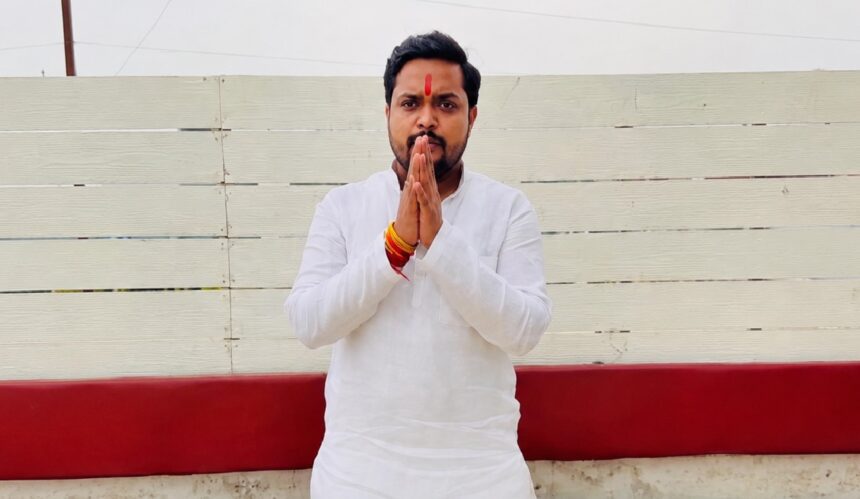
The Ghaziabad Police are investigating activist Satyam Pandit for allegedly asserting that Muslim officers should be barred from duty during the Kanwar Yatra, a major Hindu pilgrimage. Pandit’s statements, captured in videos circulating on social media, have raised concerns about religious discrimination and the broader implications of such rhetoric on community relations in India.
Details of the Incident
Satyam Pandit, affiliated with a Hindu organization, has come under scrutiny for his remarks regarding police assignments during the Kanwar Yatra, a significant event for Hindu devotees. In one of the videos, Pandit purportedly claims that Muslim officers should not be entrusted with the responsibility of overseeing the event. He has also called for the removal of the assistant commissioner of police at Nandgram, advocating for the appointment of a Hindu officer instead.
The Deputy Commissioner of Police (City/Trans Hindon), Dhawal Jaiswal, confirmed that they are examining the content of the video. He emphasized that appropriate actions would be taken based on their investigations. This type of discriminatory rhetoric raises apprehensions about the security environment around communal events and the integrity of law enforcement in managing diverse communities.
Broader Context on Discrimination
The incident involving Pandit is not an isolated case but rather part of a troubling trend regarding the treatment of Muslim communities in India, particularly under the present Sangh and BJP governments. Instances of social exclusion, economic boycotts, and systemic marginalization of Muslims have been reported increasingly in different sectors, from politics to social aspects. For instance, various campaigns have been initiated calling for economic boycotts of Muslim-owned businesses, contributing to a climate of fear and exclusion.
Furthermore, there have been consistent patterns of anti-Muslim sentiments being encouraged through nationalist rhetoric, which has permeated public discourse, creating divisions among communities. The political landscape increasingly showcases policies and statements that reflect a preference for Hindu nationalism, sidelining minority voices, and leading to a growing sense of insecurity among Muslims.
Violence and Intimidation in Activism
In addition to the statements about policing, another video featuring Pandit has surfaced where he interacts with young protestors at Delhi’s Jantar Mantar. This clip reportedly shows him interrogating the individuals about their personal information and berating them, which raises further concerns about intimidation tactics employed against dissenters in the current socio-political climate.
Such behavior not only demonstrates a blatant disregard for civil discourse but also underscores a broader trend of violence and harassment faced by activists and minority groups who challenge the status quo. The implications of such actions reflect the increased vulnerability of marginalized communities in a landscape that often criminalizes dissent.
Why It Matters
The ongoing investigation into Pandit’s remarks is emblematic of the broader societal issues rooted in religious discrimination. For the AI industry and developers, such incidents highlight the critical importance of understanding nuanced social issues. As algorithms and platforms amplify voices, it’s essential to ensure responsible representation and mitigate harmful narratives that perpetuate discrimination. For users, particularly in multicultural societies, being aware of how information is shared and the implications of hate speech is vital to fostering inclusive environments. Ignoring these dynamics can unintentionally support the marginalization of communities, impacting social cohesion and stability.
Frequently Asked Questions
What are the implications of Pandit’s statements on community relations in India?
His statements contribute to growing tensions between religious communities, potentially fostering an environment of distrust and fear, particularly among Muslim citizens who may feel targeted by public officials.
How has the government responded to anti-Muslim rhetoric?
The government’s response has often been tepid, with investigations conducted into specific incidents, but broader patterns of discrimination remain largely unchecked.
What is the significance of the Kanwar Yatra in Hindu culture?
The Kanwar Yatra is a pilgrimage where Hindu devotees travel to collect holy water from the Ganges River, reflecting deep religious sentiments and cultural practices in India.
Why is there concern over videos showcasing violence against protestors?
Such videos highlight issues of civil liberties and the right to dissent, suggesting a worrying trend of using intimidation tactics against those who challenge prevailing narratives or governmental authority.