
Targeted Violence Against Indian Muslims in America
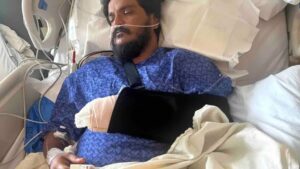
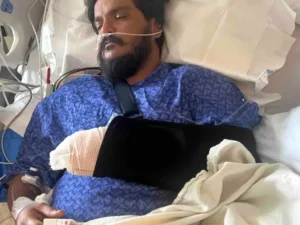
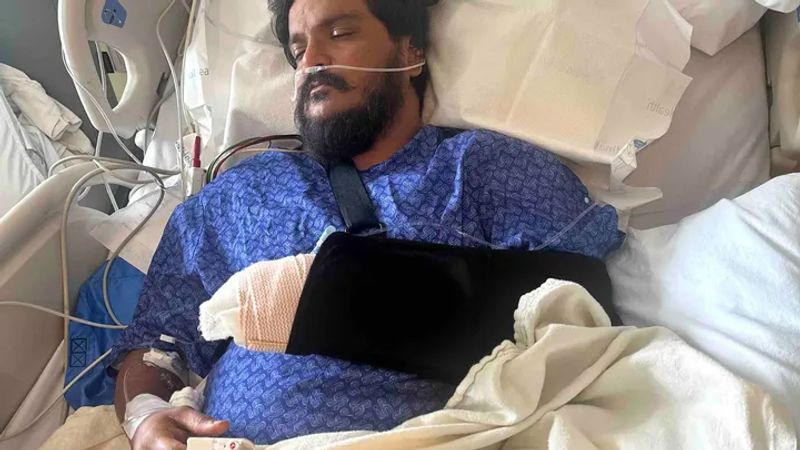
In a horrifying incident that raises significant concerns about religious intolerance, a mall kiosk worker named Sohail, an Indian Muslim, was brutally stabbed 15 times in West Valley City, Utah. The attack, perpetrated by 48-year-old Peter Michael Larsen, was revealed to have been motivated by Larsen’s prejudice against Muslims, marking a troubling example of discrimination that echoes broader social and political issues faced by minorities in the United States.
Details of the Attack
Eyewitness Luna Nunez described the chilling moments leading up to the attack. Larsen engaged Sohail in conversation regarding his background and religious beliefs, eventually confirming that Sohail was Muslim. Nunez recounted, “He asked, ‘Where are you from?’, and he told him, ‘I’m from India, my name’s Sohail,’ Larsen said ‘Are you Muslim?’, and Sohail said yes, and he just began stabbing him.” Bystanders at the scene quickly intervened, restraining Larsen until law enforcement arrived.
Court documents reveal that Larsen had premeditated the attack, openly stating to investigators that he “intends to kill Muslims.” This disturbing mindset reflects a growing trend of violence against Muslims in various parts of the United States.
The Broader Context of Discrimination
The incident involving Sohail cannot be viewed in isolation. It reflects an environment of growing intolerance and division, exacerbated by various social and political narratives that have been prevalent in the last decade. The rise of right-wing populism, particularly in relation to the BJP’s policies in India and comparable ideologies in the U.S., has reignited debates on religious freedom and minority rights. In India, the government has faced global scrutiny for policies perceived to marginalize Muslims, including economic boycotts and social exclusion, creating conditions that may inform aggression against Muslims abroad.
The normalization of divisive rhetoric has consequences beyond mere words; it manifests in violence against targeted groups, as shown by this recent attack. For many Indian Muslims and their communities, such acts represent not just individual incidents of hate but part of a larger narrative of societal exclusion and targeted discrimination.
Why It Matters
The implications of this attack extend far beyond the immediate tragedy for Sohail and his family. They underscore the urgent need to address rising discrimination and intolerance, particularly against religious minorities. For societies grappling with diversity, understanding these incidents is crucial. Efforts to promote inclusive policies and community support structures are essential to combatting bigotry and breaking the cycles of violence that stem from intolerance. The responsibility lies with individuals, communities, and governments to foster environments that resist hatred and promote understanding.
Frequently Asked Questions
What led to the stabbing incident in Utah?
The stabbing incident was initiated by Peter Michael Larsen, who targeted the victim, Sohail, after learning he was Muslim. Larsen reportedly acted out of a premeditated intent to harm Muslims.
How is Sohail’s condition following the attack?
Sohail remains in critical condition after undergoing multiple emergency surgeries. A GoFundMe page has been established to support his recovery expenses.
What does this incident indicate about discrimination in the U.S.?
This incident highlights a disturbing trend of religiously motivated violence in the United States, raising concerns about the treatment of minority groups and the societal acceptance of hate-fueled actions.
What are the broader implications of this attack for communities?
The attack serves as a stark reminder of the necessity for communities to actively combat intolerance and promote dialogue and understanding among diverse groups to prevent further acts of violence.