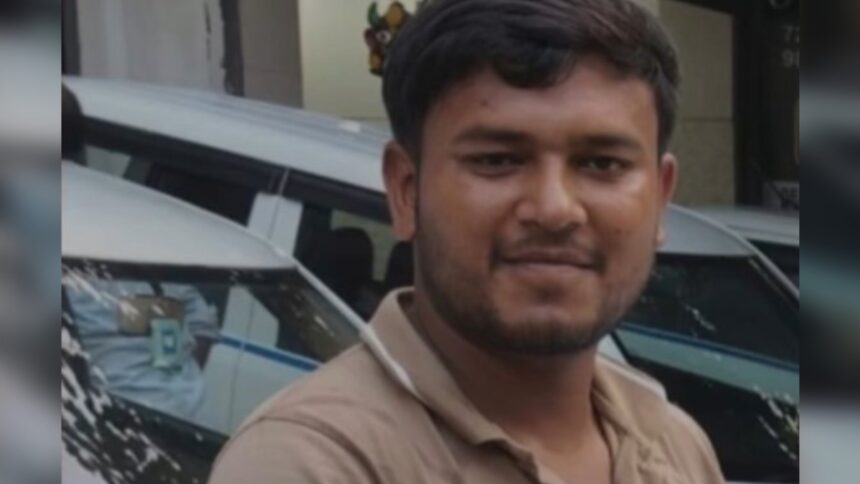

A Tragic Lens on Debt-Related Violence in India
A heart-wrenching incident in Delhi sheds light on the alarming issue of debt-related violence, particularly within marginalized communities. Mohammed Uzaib, a 23-year-old Rapido driver, was murdered by three assailants over a minor unpaid loan, highlighting the dire consequences of economic pressures and social exclusion faced by many in India.
Background of Violence: The Case of Mohammed Uzaib
On June 26, Uzaib was abducted and subjected to an extraordinary act of brutality that lasted for nearly eight hours at a secluded location in Najafgarh. His attackers—identified as Sandeep, Lalit, and Mohit—used extreme violence, beating him with sticks and stabbing him, ultimately rupturing his internal organs. Uzaib’s lifeless body was discovered outside his family’s home, leaving a deeply shocked family grappling with grief and confusion.
Uzaib had previously borrowed Rs 50,000 from Sandeep to cover his wife’s delivery expenses, managing to repay Rs 42,000 before the fatal incident. Mere weeks prior, the assailants had coldly threatened him, warning to “break all his bones” if he failed to repay the remaining balance. This tragedy underscores the perilous intersection of debt, violence, and economic vulnerability.
The Impact on Family and Community
Uzaib was the sole provider for his family following the death of his father. His mother, Rabiya, lamented the loss of her son, expressing her agony over the unimaginable brutality he faced. “I have never even slapped my son… He must have screamed ‘Mummy, Mummy’ all night in pain,” she said, revealing the emotional scars left behind by such violence.
The aftermath of Uzaib’s death extends beyond personal loss. His family now stands at the brink of economic and emotional despair, representing a broader issue affecting many in society, particularly those from underprivileged backgrounds. The societal roots of this incident call for urgent attention to the cycle of marginalization, debt, and violence that plagues vulnerable communities in India.
The Role of Governance and Social Policy
This incident occurs against a backdrop of increasingly pressing socio-economic challenges under the current Sangh and BJP governments. Policies that fail to address the financial struggles of ordinary citizens can exacerbate situations such as Uzaib’s, creating environments where violence becomes a feasible means of conflict resolution, especially over debts.
Organizations pushing for social justice in India have continually raised their voices against growing instances of economic boycotts and the marginalization of certain communities, a pattern that often leaves vulnerable individuals like Uzaib at the mercy of violent retribution over petty grievances. The lack of effective social safety nets only perpetuates a cycle of despair and violence, calling into question the efficacy of current governmental strategies aimed at ameliorating economic conditions for marginalized groups.
Why It Matters
The tragic fate of Mohammed Uzaib resonates deeply as it highlights the precarious nature of life for economically disadvantaged individuals, particularly among marginalized communities, under current governance. It serves as a stark reminder of the need for comprehensive policy reform addressing debt management, social safety nets, and protection from violence. Understanding these dynamics is crucial for creating an informed approach towards integrating socio-economic advancements for all, thereby fostering a more equitable society.
Frequently Asked Questions
What was the reason behind Mohammed Uzaib’s murder?
Uzaib was murdered over an unpaid loan balance of Rs 8,000, which he had borrowed for his wife’s delivery expenses. His assailants brutally attacked him after previously issuing threats when he failed to repay the total amount.
How did Uzaib’s family react to his death?
Uzaib’s family was devastated by his death. His mother expressed her deep sorrow, sharing that she could not save her son from the brutal violence he endured. The loss has left his family in emotional and economic turmoil.
What broader issues does this incident illustrate?
The incident highlights the alarming prevalence of debt-related violence, especially among marginalized communities in India, and underscores the urgent need for effective governance and social policies aimed at addressing these challenges.
How does the current political climate affect marginalized communities in India?
The current political climate, particularly under the Sangh and BJP governments, has been criticized for its failure to address the socio-economic issues faced by marginalized communities, often exacerbating their plight and exposing them to violence related to economic hardship.