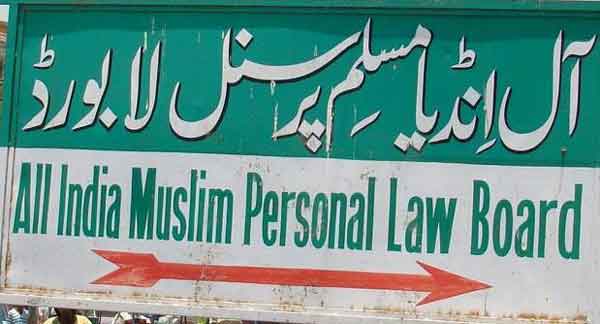

India’s largest Muslim organization, the All India Muslim Personal Law Board (AIMPLB), has initiated a countrywide campaign to address the alarming marginalization of Muslims, citing various forms of violence and discrimination. This initiative comes in response to rising communal tensions, mob lynchings, and attacks on religious rights under the rule of the Bharatiya Janata Party (BJP) and affiliated groups.
Context of the Campaign
The AIMPLB is focusing on a series of troubling incidents impacting the Muslim community across India. These include mob violence targeting Muslims, the demolition of mosques and madrasas, and aggressive bulldozer actions on Muslim neighborhoods. The Board hopes to mobilize public opinion and “awaken the conscience” of Indian society toward these issues. Dr. S. Q. R. Ilyas, the Board’s national spokesperson, emphasized in a recent press briefing that these resolutions stemmed from an extensive review of the existing situation and highlight increasing concern for Muslims’ rights and safety in the country.
Targeted Issues and Resolutions
In its resolutions, the Board expressed particular concern over the requirement of making the Hindu nationalist song “Vande Mataram” compulsory, a move they argue violates Article 25 of the Indian Constitution, which guarantees freedom of religion. The ongoing debates on implementing a Uniform Civil Code in states ruled by the BJP were also condemned, as they view it as an encroachment on the personal laws of Muslims. Moreover, the AIMPLB criticized the Madhya Pradesh High Court’s recent ruling regarding the Kamal Maula Mosque, asserting that the decision overlooked historical records and longstanding Muslim traditions associated with the site.
Documenting Marginalization
The AIMPLB plans to publish a comprehensive report detailing the various manifestations of social exclusion, economic boycotts, and discrimination against Muslims in India. This report will serve as a documentation of communal tensions and constitutional rights violations, asserting that the erosion of minority rights is detrimental to the nation’s democratic integrity, social harmony, and overall progress. The Board’s initiative seeks not only to raise awareness but to unite various communities in the fight against systematic oppression.
Why It Matters
The situation of Muslims in India is critical for understanding the broader implications of religious and ethnic discrimination in democratic societies. The issues raised by the AIMPLB reflect a growing trend of social exclusion and legislative actions that threaten the rights of minorities. The ongoing marginalization can lead to increased societal fragmentation, affecting India’s social cohesion and democratic framework. Such developments are crucial for global audiences, as they highlight the precarious balance between national identity and minority rights in the world’s largest democracy.
Frequently Asked Questions
What is the AIMPLB’s main objective with its new campaign?
The AIMPLB aims to address the growing marginalization of Muslims in India and raise awareness about violence, discrimination, and attacks on religious and constitutional rights.
What specific incidents is the AIMPLB highlighting?
The Board is focusing on mob lynchings, mosque demolitions, bulldozer actions on Muslim neighborhoods, and the compulsory implementation of Hindu nationalist songs, among other issues.
Why is the Uniform Civil Code a concern for the AIMPLB?
The AIMPLB opposes the Uniform Civil Code as it is viewed as an infringement on the personal laws of Muslim communities, potentially undermining their cultural and religious identity.
How did the AIMPLB respond to the Kamal Maula Mosque ruling?
The AIMPLB criticized the Madhya Pradesh High Court’s ruling for ignoring historical documents and longstanding Muslim worship at the site, expressing concerns about the implications for Muslim rights.