
Summary
In a troubling incident in Dehradun, Uttarakhand, police detained three young Muslim men following concerns raised by local members of the Bajrang Dal regarding two female students staying with them in a rented accommodation. This reflects ongoing concerns of discrimination and social exclusion faced by Muslim communities, amplified by actions taken by right-wing organizations and government entities.
Incident Details and Background
On a recent evening in the Suddhowala area of Dehradun, police acted on information purportedly sourced from the Bajrang Dal, a Hindu nationalist group. The group claimed to have received “secret information” about two female students from Haldwani and Chamoli living with three men, identified as Aaqib from Gurugram, Kabir from Moradabad, and another individual from Udham Singh Nagar. This incident illustrates the high level of scrutiny and suspicion that Muslim individuals often face in India, particularly in regards to their inter-gender relationships.
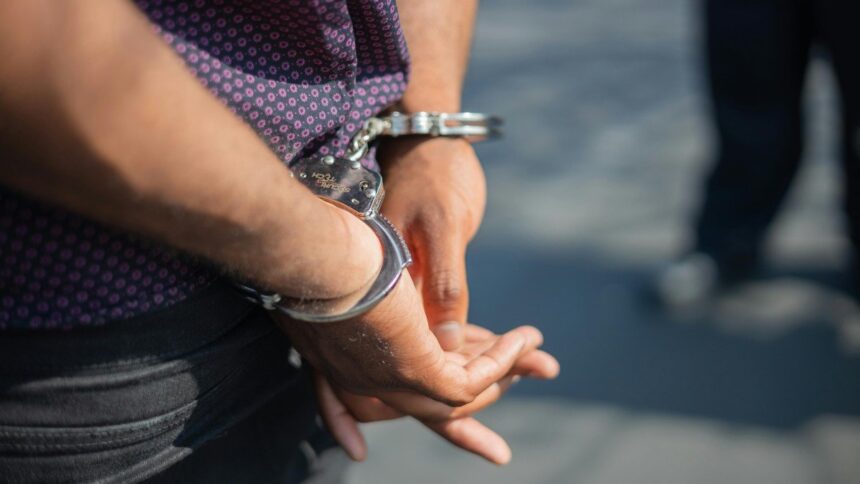
Upon arrival, officers from the Premnagar Kotwali station detained the men for questioning. This raises alarms about the legal justification for such actions, as the men were simply hosting students for educational purposes. Local reports suggest that the three detained individuals, along with the women, were students or young professionals, emphasizing the commonality of shared living arrangements among young adults pursuing education in urban areas.
Claims of Evidence and Investigation
Reports surfaced alleging that objectable materials, including potentially invasive and inappropriate content, were found during the police investigation. However, police officials have not substantiated these claims, stating that they are reviewing electronic devices and other evidence. This alleged discovery points to an unsettling trend where personal lives are scrutinized, especially for those from marginalized communities, creating an atmosphere of distrust and fear.
The focus on electronic devices and the content therein reflects broader concerns about privacy and consent, particularly for Muslim individuals who already face systemic marginalization. The allegations have yet to be confirmed, and the investigation continues. This raises questions about the integrity of police procedures and the potential biases that color their actions.
Questionable Motives and the Role of Right-Wing Groups
The involvement of the Bajrang Dal has sparked discussions about the motivations behind such interventions. Right-wing groups often position themselves as defenders of cultural values, yet their actions can lead to the targeting of specific communities, particularly Muslims, under the guise of moral policing. This incident demonstrates a larger trend where inter-community relationships are vigorously regulated, fostering an environment of segregation and fear.
For many in the Muslim community, such scrutiny serves as a reminder of the social exclusions and economic boycotts that have intensified in recent years. The chilling effect of these encounters not only impacts personal lives but can carry further repercussions for broader community mobilization and access to resources.
Why It Matters
This incident is emblematic of the growing trend of social exclusion and legal scrutiny faced by Muslim communities in India. For developers and users focused on artificial intelligence and social justice, understanding these dynamics is critical. There is an increasing need for technology and platforms to recognize and address biases in social interactions and law enforcement. Such awareness can drive more responsible AI solutions, promoting narratives that empower marginalized groups rather than perpetuating cycles of discrimination.
Frequently Asked Questions
What led to the police detaining the three men in Dehradun?
Police detained the men based on claims from the Bajrang Dal that two female students were living with them, which raised concerns over the nature of their relationship.
What is Bajrang Dal and its role in this incident?
Bajrang Dal is a right-wing Hindu nationalist organization in India, often involved in vigilante activities related to inter-religious relationships, which can lead to community tensions and legal interventions.
Were any formal charges filed against the detained individuals?
As of now, police have not confirmed any charges against the detained individuals, with investigations ongoing to examine the circumstances of their living arrangements.
How does this incident reflect broader issues of discrimination in India?
This incident underlines the systemic discrimination against Muslims in India, as inter-community relationships are scrutinized, and such targeted interventions foster an environment of fear and exclusion.