Exploring Al-Andalus: The Intersection of Faith and Community in Southern Spain
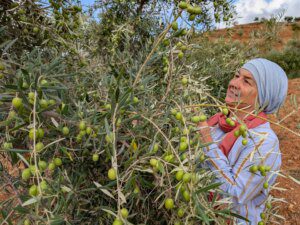
In the picturesque mountains of southern Spain, Henrietta Szovati and her husband are cultivating an olive grove while embracing the complexities of their identities as British-Hungarian Muslims. Their story symbolizes a deeper connection to the historical roots of Islam in Europe while navigating contemporary socio-political challenges. This resonates particularly with Indian audiences, who can find parallels in their own cultural narratives and diasporic experiences.
Journey to Alora: A Sense of Belonging
The train journey from Malaga to Alora offers a scenic glimpse into the heart of Andalucía, where nature meets culture. As the train travels through the Guadalhorce Valley, the landscape is dotted with pomegranate trees, olive groves, and small whitewashed villages that tell stories of centuries gone by. Alora itself, a town rising around an ancient fortress, has roots that can be traced back to Arabic origins, highlighting centuries of coexistence among different cultures.
Henrietta Szovati, who moved to this region with her husband, Ajmal Masroor, emphasizes the warmth and familiarity she feels here. The couple has transformed an old farmhouse into a community hub, known as the House of Andalus, aimed at reviving southern Spain’s Islamic history. Their lives reflect a blend of agricultural pursuits and cultural engagement, inviting visitors to explore a history that once flourished in this part of Europe.
The Legacy of Al-Andalus
The historical significance of Al-Andalus cannot be overstated. For nearly eight centuries, parts of modern Spain and Portugal were under Muslim rule, flourishing in arts, sciences, and architecture that shaped European civilization. Key cities like Cordoba and Granada became known for their advanced scholarship, stunning architecture, and rich cultural exchanges. In a contemporary context, this history inspires many Muslim expatriates, including those from India and Pakistan, who view it as a part of their cultural heritage.
For Tharik Hussain, a British Muslim writer, Al-Andalus represents an “Atlantis-like aura” in the Muslim imagination. His insights reveal how the dreams of a shared past can influence contemporary narratives and identities. Indian travelers and expatriates often visit Spain, seeking to reconnect with this legacy, even amidst the complexities of modern socio-political realities.
Building Community in Diversity
For Henrietta, the sense of community in Alora contrasts sharply with her experiences in Britain, where, despite living there for over two decades, she feels like an outsider. In Spain, interfaith relationships flourish, exemplified by her friendships with neighbors like Juan Garcia. Such bonds transcend religious differences and nurture an environment where individuals can coexist peacefully. This narrative of unity amidst diversity may resonate with Indian readers, especially in the context of contemporary social dynamics in India, where community and religious identity often come into conflict.
Henrietta’s interactions with her neighbors demonstrate that personal relationships can foster deeper understanding beyond political rhetoric. “Practising Islam here is just easier,” she remarks, illustrating how the social fabric of Alora nurtures an inclusive culture, one that is particularly vital for multicultural societies worldwide.
What This Means
The narrative of Henrietta Szovati and her husband illuminates the enduring importance of community and shared history, especially for Muslims living in diaspora. For Indian readers, who often grapple with their own cultural identities in foreign lands, this story underscores the significance of finding a sense of belonging. It emphasizes that historical ties can shape modern identities and communities, a theme particularly relevant in India’s diverse social landscape.
Additionally, the dialogues between different faiths highlight the potential for interfaith cooperation as a means to combat social divisions. In an increasingly polarized world, fostering understanding between communities can pave the way for healthier societies across the globe, including India.
Frequently Asked Questions
What is Al-Andalus?
Al-Andalus refers to the regions of the Iberian Peninsula that were under Muslim rule from the 8th to the 15th centuries. It was renowned for its rich cultural and scientific advancements.
How does the history of Al-Andalus affect modern-day Spain?
The legacy of Al-Andalus is evident in Spain’s architecture, language, and cultural traditions, impacting the country’s identity and fostering a sense of pride in its multicultural heritage.
Why do some Muslims find comfort in Spain?
Many Muslims, like Henrietta Szovati, find comfort in Spain due to its historical ties to Islam and the opportunities for building community in a context that feels more accepting and less politically charged than other regions.
How do community ties play a role in interfaith relations?
Building personal relationships among diverse communities can foster understanding and acceptance, reducing social divisions and helping individuals coexist peacefully despite differing beliefs.