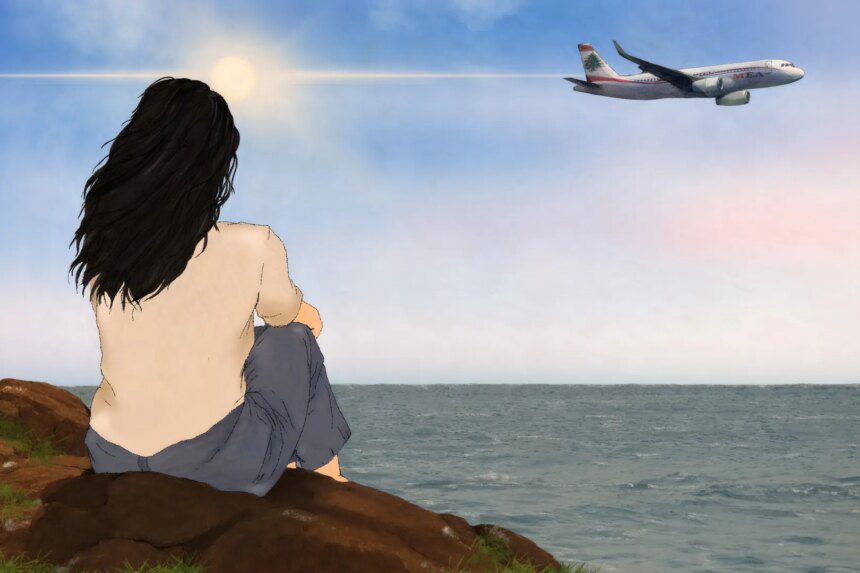

Understanding Identity in Diaspora
The challenges of identity for those living between cultures are vividly illustrated through the experiences of two women, Naima and Natalie, who moved from Brazil to Lebanon. Their journeys reveal that identity is complex and heavily influenced by geography and societal expectations, highlighting the fluidity of belonging.
The Impact of Ancestry on Identity
In Brazil, one’s Lebanese ancestry may afford social distinction, as Brazilian society often celebrates multicultural lineage. However, in Lebanon, the same ancestry can become a point of alienation. As cultural expert Bercito notes, a Brazilian accent or even imperfect Arabic can mark individuals as outsiders when they arrive in their ancestral homeland.
Naima, a Brazilian with Lebanese roots, faced this duality firsthand. Initially perceived as a “foreigner” by Lebanese dance educators, she was encouraged to focus solely on Brazilian dance forms. Yet, over time, she gained recognition as a Lebanese dancer. This transformation allowed her to merge her dual identities — performing both Brazilian samba and Oriental dance. Such experiences illustrate how identity can shift based on social acceptance and individual pursuits, as Naima continues to embrace both her Brazilian and Lebanese heritages.
The Cultural Dynamics in Classrooms
Natalie, another Brazilian of Lebanese descent, serves as an educator in Lebanon, helping children of Brazilian heritage reconnect with their cultural roots by teaching Portuguese. This effort underscores the complexities of cultural preservation, especially as many of her students might hold Brazilian nationality yet struggle with the language due to familial disconnection amidst migration.
Ironically, while she teaches Portuguese, Natalie longs to improve her own Arabic proficiency. Her feelings of belonging and dislocation are echoed in her reflection: “I belong to both; I feel deeply connected to both cultures.” Such sentiments resonate with many in the Indian diaspora, who also juggle identities shaped by migration and cultural heritage.
Crises and Resilience
The backdrop of recent crises in Lebanon, including political turmoil and the catastrophic 2020 Beirut explosion, has propelled individuals like Natalie and Naima to reconsider their lives. The explosion was devastating; Naima suffered physical injuries that required her to relocate first to Portugal and then back to Brazil, while Natalie experienced an emotional upheaval as she returned to her Brazilian roots in search of safety.
This event became a pivotal moment for both women, leading them to grapple not only with their identities but also with the concept of home itself. After initially believing they had left Lebanon for good, both women found their way back, showcasing a deep, sometimes unbreakable connection to their homeland, despite the turmoil.
What This Means
For Indian readers, the experiences of Naima and Natalie highlight a broader narrative common among many in the Indian diaspora. Like the Lebanese-Brazilians, Indians abroad often navigate complex identities as they blend their heritage with the cultures of their new homes. The fluidity of identity in relation to geographical and social circumstances raises important questions about cultural retention and assimilation.
Moreover, the crises faced by the women evoke empathy and awareness regarding the diaspora’s challenges, including the impact of sociopolitical instability on personal identities. As such, fostering a broader understanding of cultural hybridity, particularly in diverse societies like India, is crucial for promoting acceptance and support for individuals from varied backgrounds.
Frequently Asked Questions
What is the significance of identity for migrants?
Identity for migrants is often multifaceted, shaped by ancestry and the cultural dynamics of both their home and host countries. It can lead to feelings of belonging as well as alienation, reflecting the challenges of balancing multiple cultural heritages.
How do cultural factors influence acceptance in new societies?
Cultural factors such as language, accent, and traditions play a significant role in acceptance within new societies. Evolving perceptions of one’s background can either facilitate or hinder one’s integration into the local community.
What challenges do diasporic individuals face in preserving their cultural heritage?
Diasporic individuals often face challenges such as language barriers and generational gaps that make cultural transmission difficult. They may also experience a loss of connection to their heritage as they adapt to new environments.
How do crises affect the identity of individuals in diaspora?
Crises can force individuals to reassess their identities and sense of belonging. Experiences of violence, instability, or economic turmoil can lead to dislocation, prompting a search for safety and cultural reconnection—often resulting in a return to their roots.