Injured by a Fast-Moving Vehicle
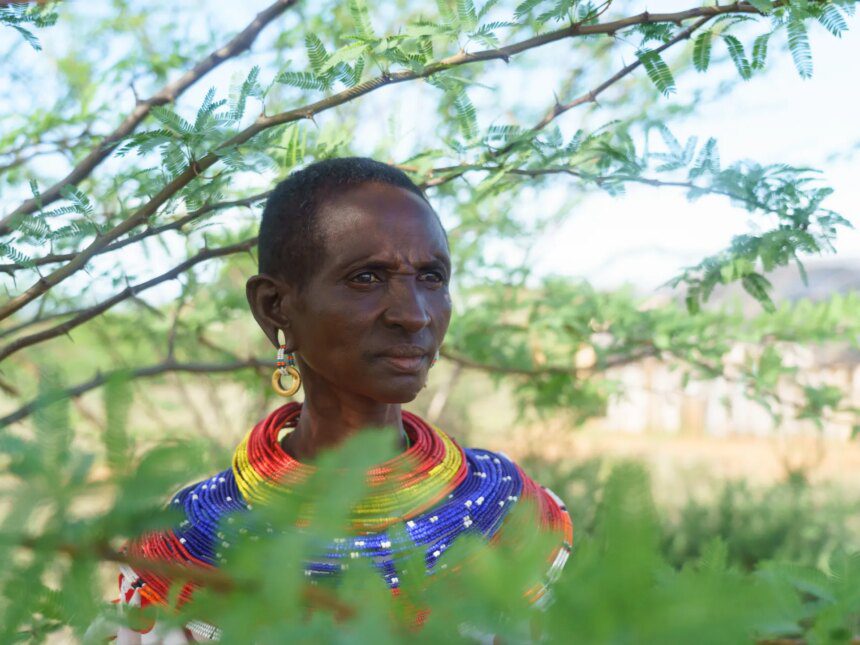
Memusi Lochede’s life changed irrevocably after a tragic incident involving her daughter Chaula in 2019. A vehicle belonging to the British Army Training Unit Kenya (BATUK) struck the then-teenager, leading to the amputation of her leg and severe health complications. This shocking case highlights potential accountability issues faced by foreign military entities in Kenya, echoing a global concern regarding military conduct in host nations.
The Aftermath and Lack of Accountability
Chronicling the events, Lochede explained how she was approached by a BATUK representative who offered apologies and assurances that her daughter would receive care. However, the UK Ministry of Defence (MOD) later denied that any such meeting took place. As Chaula’s medical care relied heavily on her mother’s limited income from crafting beaded jewelry, the financial burden intensified. With the costs of Chaula’s care exceeding her earnings, Lochede’s desperation was palpable. A promised compensation remains elusive, with all attempts to communicate with BATUK falling on deaf ears.
Despite official statements regarding awareness of the incident, Lochede reports no direct engagement from BATUK on compensation discussions. It seems the bureaucracy safeguarding military entities can often shield them from the repercussions of their actions, leading to distress for victims and their families. Similarly, Ruth Getobai Nchagwa from the Kenya National Commission on Human Rights confirmed that they have also faced challenges in seeking accountability from BATUK.
Historical Context of Abuse Allegations
Chaula’s experience is far from an isolated incident. A recent parliamentary inquiry in Kenya documented numerous allegations against BATUK, including accusations of extrajudicial killings and other abuses dating back decades. This inquiry categorized these cases as a display of “institutional contempt” by BATUK towards Kenyan authorities and residents. Victims frequently report incidents of intimidation, inexplicably missing police files, and a broader culture of cover-ups, suggesting a severe lack of accountability.
As incidents like Chaula’s gain attention, they evoke memories of colonial legacies that still linger in the Kenyan landscape. In a country where historical injustices remain unresolved, the case against BATUK nudges the dialogue back to themes of sovereignty, accountability, and the rights of the affected populace.
What This Means
For Indian readers, the implications arising from Chaula’s case are multi-layered. First, as India engages on the global stage, particularly in terms of military cooperation, learning from historical accountability issues in other nations might shape future policies. The interaction of foreign military presence with local populations serves as a crucial point of reflection for India. Striking the right balance between defense partnerships and ensuring respect for domestic laws and human rights is imperative. Furthermore, cases like these raise awareness regarding the responsibilities nations owe to their citizens and the ethical implications of their military operations abroad, making it vital for India to foster dialogue around similar challenges.
Frequently Asked Questions
What happened to Chaula Lochede?
Chaula Lochede was severely injured in 2019 when struck by a vehicle belonging to the British Army Training Unit Kenya (BATUK), leading to the amputation of her leg and leaving her disabled.
Have her family received any compensation?
No, despite BATUK reportedly assuring support and care after the incident, Chaula’s family has not received any formal compensation or engagement from BATUK since her hospital discharge.
Are there similar cases reported against BATUK?
Yes, a recent parliamentary inquiry in Kenya uncovered multiple allegations of abuse by BATUK, including extrajudicial killings and assaults, indicating a pattern of misconduct that has persisted over the years.
What can be learned from this situation in an Indian context?
This case highlights the importance of accountability and transparency in foreign military operations. India can derive lessons regarding the integration of human rights considerations into military collaborations, ensuring that engagements do not lead to the sort of impunity seen in Chaula’s case.