
Understanding the Challenges of Visually Impaired Women in Sports
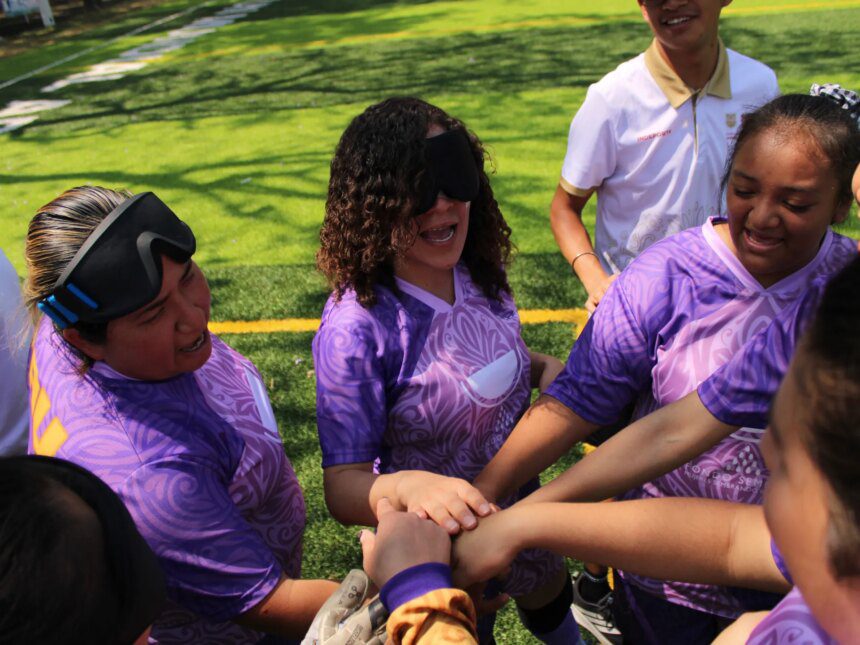
Women with visual impairments face significant barriers that hinder their participation in activities like sports and daily life. In Mexico City, these challenges highlight broader societal issues that resonate worldwide, including in India, where cultural perceptions can similarly restrict women’s roles in sports and society.
Societal Barriers and Cultural Expectations
Mora Garcia, an advocate for accessibility, emphasizes that beyond physical challenges, societal attitudes significantly impact the lives of visually impaired women. In Mexico, families often discourage daughters from engaging in contact sports due to safety concerns. This mirrors similar cultural expectations in India, where women are frequently steered away from sports and physical activities perceived as masculine.
In India, women still face societal pressure to conform to traditional roles, which often limits their participation in sports. While sports like cricket and badminton are gaining popularity among girls, contact sports still remain less encouraged. Families may worry about potential injuries or reputational risks, which prevents many talented women from pursuing their athletic aspirations.
Accessibility Issues in Urban Environments
One of the primary challenges reported by athletes like Hernandez is navigating urban landscapes such as Mexico City. Broken pavements and overcrowded transport systems create a hazardous environment for visually impaired individuals. Hernandez, who uses a white cane to navigate, describes her struggle as an ongoing challenge.
In India, similar issues persist. Urban areas often lack adequate infrastructure for individuals with disabilities. A study by the Ministry of Social Justice and Empowerment found that more than 70% of Indian cities are not fully compliant with accessibility standards. Much like Hernandez, many women in urban India face daily challenges just getting to practice or work, which can deter them from participating in sports.
Empowerment Through Independence
Despite these challenges, women like Hernandez are determined to live independently and showcase their abilities. Working as a massage therapist and raising her son, she emphasizes that her blindness does not define her capabilities. Her perspective sheds light on a crucial aspect of empowerment — challenging stereotypes surrounding disability.
This notion of independence is particularly relevant in the Indian context, where women are often expected to prioritize home and family over personal ambitions. Programs that encourage sports among women with disabilities could help challenge these stereotypes, allowing them to thrive both personally and athletically. For instance, initiatives like the “Khelo India” program aim to promote sports at the grassroots level, but there is a need for further inclusivity for women with disabilities.
What This Means
Understanding the struggles of visually impaired women in Mexico can provide critical insights for Indian society. Just as in Mexico, societal perceptions in India create barriers for women in sports. Highlighting these issues can foster a dialogue about improving accessibility, empowering women, and challenging stereotypes. By advocating for inclusivity in sports and daily life, communities can create an environment that encourages all individuals to pursue their goals irrespective of gender or disability.
Frequently Asked Questions
What are the main challenges faced by visually impaired women in sports?
Visually impaired women face societal attitudes that discourage participation, lack of accessibility in urban environments, and significant family expectations regarding their roles in society.
How does this situation compare in India?
In India, similar societal pressures exist where families often dissuade women from engaging in sports, particularly contact sports, and urban infrastructure frequently fails to support individuals with disabilities.
What can be done to improve the situation for visually impaired women in sports?
Creating awareness about the capabilities of visually impaired women, improving urban accessibility, and introducing inclusive sports programs can significantly enhance their participation in sports.
Are there any programs in India for women athletes with disabilities?
Yes, initiatives like “Khelo India” aim to promote sports for all, but there is a need for more targeted programs that focus specifically on women with disabilities to ensure inclusivity and empowerment.