
Escaping North Korea: A Modern Tale of Resilience
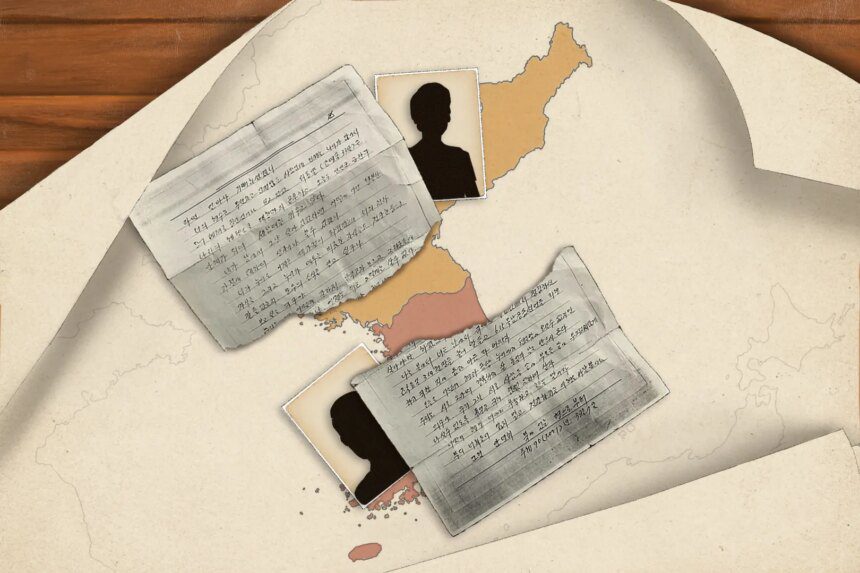
The story of Kim Kang-woo, a North Korean defector, sheds light on the personal and societal impacts of the Korean Peninsula’s division. Kim’s journey from Hyesan to South Korea highlights the dire conditions in North Korea, the role of popular culture in inspiring defection, and the complex challenges faced by escapees.
Life Under Oppressive Conditions
At the age of 22, Kim made a drastic decision to escape North Korea, driven by personal tragedy. During his high school years, his father was murdered during an interrogation after being caught in China. The family’s financial struggles intensified following a government-imposed currency reform in 2009, which deepened poverty across the nation. The political ramifications of his father’s death meant Kim would be forever marked as a “political criminal” without the opportunity for military service, locking him into a future of deprivation.
North Korea employs a profound guilt-by-association policy that punishes relatives of defectors. Families of escapees often face severe repercussions, including increased surveillance, forced relocations, and diminished social status. This creates a pervasive sense of fear that keeps many from contemplating escape, as the risks extend beyond the individual to their entire family.
The Influence of South Korean Media
Kim’s eventual defection was not solely motivated by his harrowing personal history; it was also influenced by clandestine exposure to South Korean media. Unlike the state propaganda he grew up with, which painted a bleak and impoverished picture of life in South Korea, the dramas he watched provided insight into a world of opportunities. Programs like “Prosecutor Princess” and “Boys Over Flowers” shattered preconceived notions, illustrating that even those born into poverty could triumph with hard work.
In North Korea, access to South Korean films, typically smuggled in via USB drives, is one of the few windows to the outside world. For Kim, these narratives provided the catalyst for change: “I realized we had it all wrong,” he stated, a testament to the immense power of media in shaping beliefs and aspirations.
The Dangerous Quest to Reunite
After successfully fleeing to South Korea in 2016, Kim embarked on an ambitious plan to rescue his mother from North Korea. His journey back to the North involved crossing the dangerous Yalu River under the watchful eyes of border patrols, showcasing the grave risks that defectors undertake for their families. With his mother initially skeptical of his stories and the photographs he offered as proof, Kim worked tirelessly to convince her of the realities of life in South Korea.
Despite his diligence, Kim’s attempts were fraught with peril. During one of his visits, North Korean authorities intercepted communications and threatened his mother, forcing him to retreat back to safety in China. However, this moment underscored the audacity and desperation that defines the life of a defector. Finally, against all odds, Kim’s mother successfully made her way to Seoul while he faced legal repercussions for re-entering North Korea.
What This Means
Kim Kang-woo’s story is a profound illustration of the ongoing repercussions of the Korean Peninsula’s division not just for individuals like him, but for inter-Korean relations and geopolitical dynamics. It draws attention to the complex narratives surrounding defection, the personal sacrifices entailed, and how cultural factors can influence young people’s choices under authoritarian regimes.
For Indian readers, this reflects global struggles against authoritarianism and restrictions on freedom of movement. It underscores the importance of understanding how political situations impact lives, which could resonate in the context of India’s own challenges regarding internal and regional conflicts.
Frequently Asked Questions
What are the main reasons North Koreans defect?
Most defects are driven by dire economic conditions, harsh political repression, and personal tragedies like loss of family members, which amplify the need for a better life.
How does South Korean media influence North Koreans?
South Korean media often challenges the propaganda North Koreans receive, presenting a contrasting view of prosperity and opportunity, which can inspire aspirations for a different life.
What happens to families left behind when someone defects?
Families of defectors may face severe repercussions, including enhanced surveillance and social stigma, and in extreme cases, forced relocations or imprisonment in labor camps.
What are the dangers faced by North Korean defectors?
Defectors face numerous risks, such as being shot on sight at the border, being caught and imprisoned in labor camps, or facing severe repercussions for their families still in North Korea.