
Summary
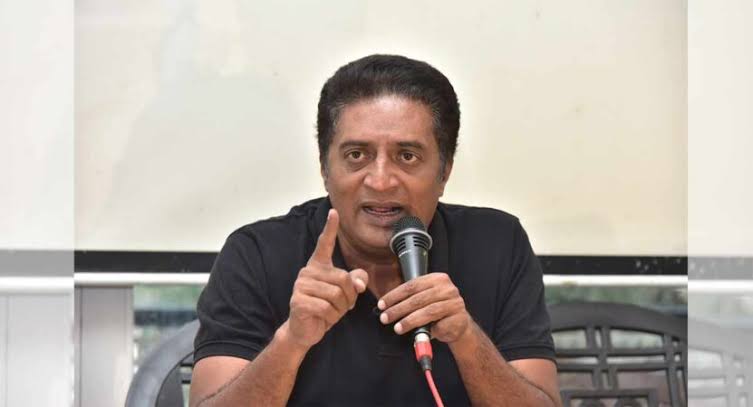
Actor and former politician Prakash Raj has alleged that his name has been removed from the electoral rolls in Bengaluru during the Special Intensive Revision (SIR) exercise, raising concerns about the ongoing disenfranchisement of voters in Karnataka. This incident adds to the growing debate over electoral integrity in the state, particularly for marginalized communities.
Prakash Raj’s Claims of Voter Deletion
In a recent video, Prakash Raj expressed his disbelief that he is among the hundreds of thousands whose names have reportedly been deleted from the electoral rolls in Bengaluru. He humorously noted, “I want to share a joke with you. I am one of the 65 lakh voters whose voter right has been deleted from Bangalore constituency after SIR. Nice joke, no?” Raj’s comedic tone belied the gravity of the situation, illustrating his surprise at being stripped of his voting rights in a region he has deep connections to.
Born and raised in Bengaluru, Raj not only has a long history in the constituency but also previously contested the 2019 Lok Sabha elections as an Independent candidate from the same area. His removal from the electoral rolls underscores a troubling trend, specifically regarding how communities are being impacted during this revision process.
Wider Context of Voter Registration Issues
The concerns raised by Raj are echoed by reports indicating that a staggering 1.09 crore voters, accounting for nearly 20% of the state’s electorate, have been classified under the ASDDO category—Absent, Shifted, Duplicate, Dead, and Others. This classification raises important questions about the accuracy and transparency of the electoral roll revision process, particularly in urban areas like Bengaluru, which recorded the highest number of voters affected, at approximately 17.74 lakh.
As the removal of citizens, especially those with historical ties to their constituencies, continues, the implications for voter participation among marginalized groups become increasingly severe. Such disenfranchisement could disproportionately affect communities that may already face socio-economic challenges, raising alarms about the potential for systemic voter suppression in Karnataka.
Raj’s Response and Calls for Accountability
In light of his disenfranchisement, Raj stated he would investigate the necessary documents to have his voting rights restored, remarking, “Let me see what is the process I have to go through. What all documents do I have to show to get back my voter ID? Well, game on.” This proactive stance serves as a call to action not only for himself but also for other affected voters to challenge their disenfranchisement.
Furthermore, Raj questioned the ethical implications of using political power to negate the voting rights of citizens, stating, “You can use your powers to deny a few of the citizens the right to vote who may not elect you. But can you stop us, my dear friend, from our power of bringing you down?” His remarks reflect a broader discontent about the use of governmental facilities to undermine electoral participation, particularly during important election cycles.
Why It Matters
The allegations made by Prakash Raj highlight significant issues surrounding electoral practices in India, especially in states such as Karnataka. With many voters potentially losing their rights amid widespread disenfranchisement, it raises concerns over political fairness and representation in the electoral process. The high number of voters classified under the ASDDO category may serve as an indicator of systemic weaknesses, impacting the political power of minority groups, including religious and economic minorities. Ensuring that all citizens can participate in elections is critical for the integrity of democracy, making the accountability of electoral bodies vital in addressing issues of marginalized communities.
Frequently Asked Questions
What is the ASDDO category in electoral rolls?
The ASDDO category stands for Absent, Shifted, Duplicate, Dead, and Others, and it includes voters whose names have been removed or marked for deletion during the electoral roll revision process.
Who is Prakash Raj?
Prakash Raj is a well-known Indian actor, filmmaker, and politician, who contested as an Independent candidate in the 2019 Lok Sabha elections from Bengaluru Central.
What actions can citizens take if their names are removed from electoral rolls?
Citizens can check the official electoral roll listings, follow the necessary procedures to challenge the deletion, and submit the required documents to restore their voter ID.
How does disenfranchisement affect marginalized communities?
Disenfranchisement can lead to reduced representation and influence in the political process for marginalized communities, perpetuating cycles of socio-economic disparities and undermining democratic engagement.