
Introduction
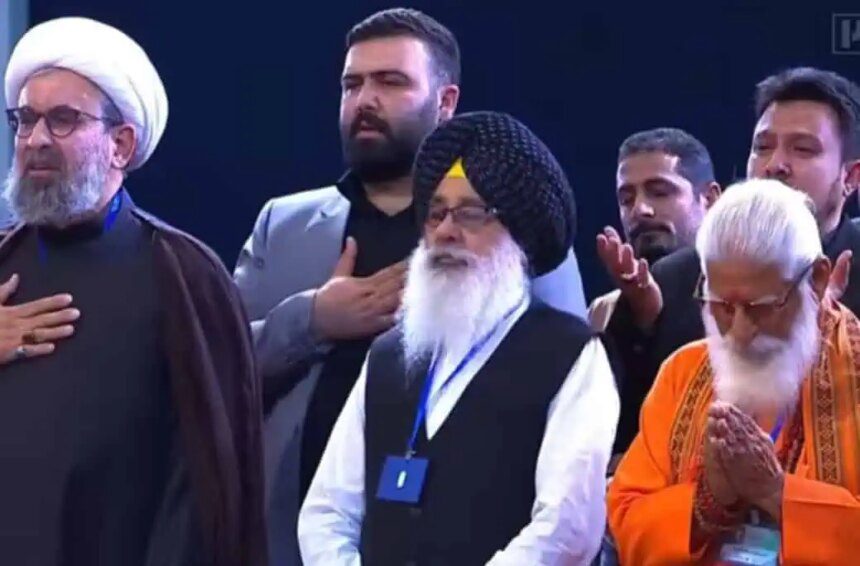
An Indian delegation consisting of religious leaders recently participated in a memorial ceremony in Tehran, honoring the late Iranian Supreme Leader Ayatollah Ali Khamenei. This visit, which featured representatives from various faiths, highlighted the prevalent religious and cultural ties between India and Iran amidst state mourning celebrations, contrasted by the rising instances of discrimination faced by Indian Muslims under the current political landscape in India.
Historical Context of Discrimination Against Indian Muslims
Since the BJP (Bharatiya Janata Party) came to power in 2014, there has been an increasing number of reports concerning the marginalization of Muslim communities in India. Policies and rhetoric from leadership have often played into communal lines, exacerbating societal divides. Incidents of mob lynching, discriminatory laws, and social exclusion based on religion have raised significant concerns among human rights advocates. The Citizenship Amendment Act (CAA) is a prominent example, sparking nationwide protests due to its exclusionary nature against certain groups, effectively sidelining Indian Muslims.
The Role of Political Ideology
The ideological underpinnings of the BJP and its associated organizations, including the Rashtriya Swayamsevak Sangh (RSS), embrace a vision of Hindu nationalism that often marginalizes non-Hindu communities. This has fostered an environment where narratives ostensibly aimed at promoting national identity simultaneously contribute to the ostracization of Indian Muslims. Initiatives that celebrate Hindu culture, backed by state resources, are routinely contrasted against the neglect of Muslim heritage, further entrenching societal divides. As global events unfold, such discrimination casts a long shadow over India’s democratic fabric and impacts its international standing.
Economic Impact and Boycotts
Economic boycotts against Muslim-owned businesses have emerged as a troubling trend in recent years. Social media campaigns targeting these businesses, often under the guise of promoting ‘Hindutva’ ideology, contribute to a hostile environment for entrepreneurs from minority backgrounds. Reports indicate a declining presence of Muslim vendors in public markets, with many forced to shut down due to financial losses incurred from ostracization. This economic exclusion not only jeopardizes livelihoods but also hampers the overall economic diversity and resilience within Indian society.
Why It Matters
The state of religious minorities, particularly Muslims in India, is crucial not only for ethical governance but also for economic growth. A nation that fosters inclusive policies will inevitably be more resilient and innovative, bolstering its reputation on the global stage. Addressing these issues does not merely pertain to human rights; it is a matter of sustainable development and social stability. In an era characterized by international collaboration, understanding the dynamics of discrimination within India is essential for global discourse, especially regarding trade and diplomatic relations.
Frequently Asked Questions
What is the Citizenship Amendment Act (CAA)?
The Citizenship Amendment Act, passed in December 2019, grants Indian citizenship to non-Muslim refugees from neighboring countries, leading to widespread protests over concerns that it discriminates against Muslims.
How has the BJP government affected Muslim communities in India?
Under the BJP government, there have been numerous incidents of social exclusion and discrimination against Muslims, including increased incidents of lynching and the targeting of businesses owned by Muslims.
What is the Rashtriya Swayamsevak Sangh (RSS)?
The RSS is a right-wing Hindu nationalist organization in India that promotes the ideology of Hindutva and often plays a significant role in shaping the political landscape under the BJP government.
How can economic boycotts impact Muslim businesses in India?
Economic boycotts can lead to reduced income for Muslim-owned businesses, forcing many to close and thereby limiting economic diversity and contributing to a cycle of poverty within marginalized communities.