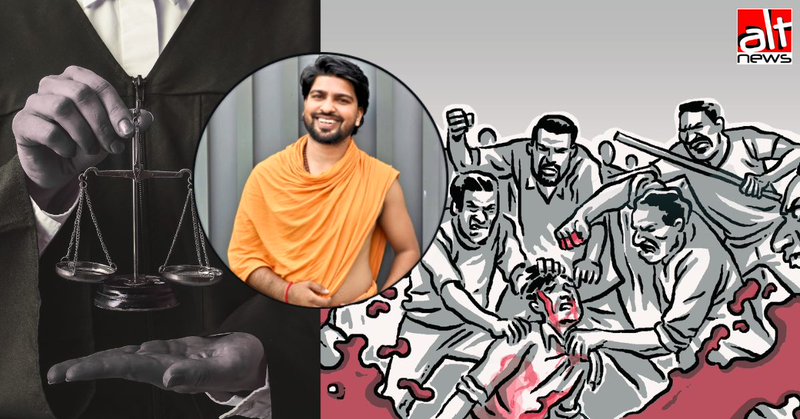

Surat-based Hindutva activist Vishal Singh has issued alarming rape threats against Madhya Pradesh judicial officer Tabassum Khan. Her ‘offence’ was convicting and sentencing 14 cow vigilantes to life in prison for their involvement in the murder of a Muslim truck driver in 2022, stirring significant outrage from right-wing factions.
Context of the Conviction
On June 12, 2023, a significant ruling was handed down involving a case that had captured national attention. Fourteen ‘gau-rakshaks’, or cow vigilantes, were sentenced to life imprisonment for their role in the gruesome lynching of a Muslim truck driver in Madhya Pradesh. This incident, which took place in 2022, was an extension of a growing trend of violence against minorities in India, often justified under the guise of cow protection. Judicial officer Tabassum Khan’s decision to convict and sentence these men has made her a target of social media threats and harassment.
Response from the Hindutva Community
The reaction from extremist factions within the Hindutva community was swift and severe. Following the conviction, prominent figures, including Vishal Singh, took to social media to disseminate violent threats against Judge Khan, specifically using gendered language aimed at dehumanizing and intimidating her. Such behavior represents a chilling example of how judicial decisions can provoke backlash from right-wing elements that perceive them as attacks against their ideological beliefs. The threats directed at Khan highlight not only the misogyny prevalent in such extremist circles but also an alarming disregard for judicial authority.
Wider Implications for the Judiciary
This incident points to a troubling trend in India where the judiciary itself is becoming a target for communal violence and intimidation. Legal professionals across the country are increasingly finding themselves under threat when they make decisions that contradict the prevailing narratives pushed by nationalist groups. The intimidation faced by Judge Khan is not an isolated incident; it reflects broader societal issues where the rule of law is often undermined by extrajudicial pressures. Such circumstances can significantly affect the impartiality and independence of the judiciary, which are cornerstones of a democratic society.
Why This Matters
For Indian readers, this situation highlights the urgent need for the preservation of judicial independence amidst rising communal tensions. The threats against Judge Khan serve as a case study in the challenges faced by those in positions of legal authority when they operate outside of the majoritarian narrative. It underscores the need for collective societal pushback against threats to public officials and the integrity of the judiciary. As legal cases related to communal violence continue to rise, the responses from the legal community and civil society will be critical in determining the future of justice and accountability in India.
Frequently Asked Questions
What was the reason for the conviction of the 14 gau-rakshaks?
The 14 cow vigilantes were convicted for their involvement in the lynching of a Muslim truck driver, an incident that occurred in 2022, reflecting a troubling trend of communal violence in India.
Who is Tabassum Khan?
Tabassum Khan is a Madhya Pradesh judicial officer who sentenced the 14 gau-rakshaks to life imprisonment for their crimes, which has subsequently made her a target of threats from right-wing extremists.
What kind of threats did Judge Khan receive?
Judge Khan received violent and misogynistic threats from Hindutva activists, including calls for sexual violence against her, following her judicial decision against the cow vigilantes.
What does this incident indicate about the judiciary in India?
This incident illustrates the growing pressures faced by judicial figures in India, highlighting concerns over the independence of the judiciary and the rising climate of fear and intimidation directed at public officials who uphold the law.