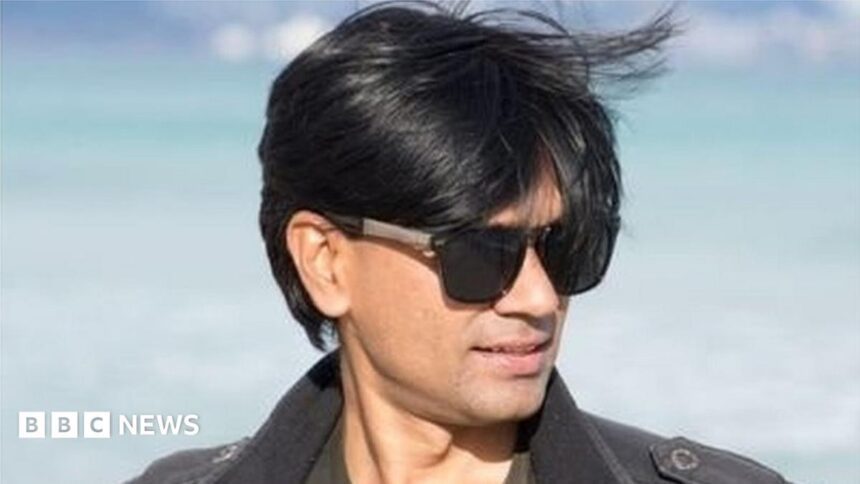

India’s Supreme Court has granted interim bail to journalist Mohammed Zubair, who was jailed after highlighting controversial comments made by a ruling party spokesperson. The Court deemed that there was no justification for Zubair’s continued detention, ordering his immediate release.
Background on the Case
Mohammed Zubair, a co-founder of the fact-checking website Alt News, was arrested on June 27, 2022, over a tweet from 2018. The tweet allegedly “insulted Hindu religious beliefs,” the basis for his arrest by Delhi police. Over time, additional charges were laid against him, including criminal conspiracy and receiving foreign funds. He became a focal point in a larger political debate regarding freedom of expression and the treatment of dissenting voices in India.
Following his initial arrest, Zubair was transferred between various prisons and courts. This led to a convoluted legal battle characterized by numerous complaints lodged against him by Uttar Pradesh police. His situation drew attention not only for its legal implications but also for the chilling effect it could have on journalists and fact-checkers in a rapidly polarizing political environment.
The Role of Alt News and Zubair’s Significance
Founded in 2017, Alt News has played a pivotal role in countering misinformation targeting India’s minority communities, particularly Muslims. Zubair has been instrumental in debunking fake news, which often spreads through social media and manipulates public perceptions regarding religion and caste. The website has published over 3,000 articles, amassing more than 60 million views, proving to be an essential resource in a landscape increasingly rife with disinformation.
Given that Alt News emerged in a context where misinformation can provoke communal violence, Zubair’s work has placed him at odds with political powers seeking to control narratives. His arrest and subsequent legal challenges highlight the risks faced by journalists who challenge dominant discourses, making his fight not just a personal battle for freedom but a significant test case for press freedom in India.
The Supreme Court’s Ruling and Its Implications
On Wednesday, the Supreme Court ordered Zubair’s release, stating that the reasons for his continued detention were unjustified. In a significant move, the Court instructed the Uttar Pradesh police to consolidate all complaints against him and transfer the cases to Delhi Police. This not only simplifies the legal proceedings but also potentially highlights the fragmented and politically charged nature of the legal actions against him.
Prior to this ruling, Zubair had been granted temporary bail on a couple of occasions, particularly citing threats to his life. The Supreme Court’s decision to finally grant him interim bail raises questions about the misuse of legal mechanisms to suppress journalistic dissent. It reflects an awareness of the possible repercussions of misusing the law to target critics, especially in a democracy where free speech is constitutionally protected.
Why This Matters
The political landscape in India has increasingly witnessed tensions between democratic freedoms and state control. The Zubair case exemplifies the scrutiny faced by journalists who attempt to hold those in power accountable, particularly in a climate where communal sentiments can be leveraged for political gain. His release may serve as a beacon of hope for press freedom advocates and could encourage other reporters to pursue truth without fear of retaliatory actions from the state.
Furthermore, the Supreme Court’s involvement underscores the judiciary’s role as a vital check on executive power, emphasizing the importance of Upholding democratic norms. As the political scenario evolves, Zubair’s case is likely to remain a key indicator of the health of democracy and freedom of expression in India.
Frequently Asked Questions
Who is Mohammed Zubair?
Mohammed Zubair is a journalist and co-founder of Alt News, a fact-checking website aimed at combating misinformation, particularly around issues affecting India’s minority communities.
What were the charges against Zubair?
Zubair was initially arrested for allegedly insulting Hindu religious beliefs through a tweet. He faced multiple charges, including criminal conspiracy and destruction of evidence, which were seen as targeting his work in journalism.
What did the Supreme Court decide?
The Supreme Court granted Zubair interim bail, noting that there was no justification for his continued detention and ordered the consolidation of complaints against him to be transferred to Delhi Police.
Why is this case significant for journalism in India?
This case is significant as it highlights the risks faced by journalists in India, the delicate balance between state power and freedom of speech, and serves as an indicator of the current state of democracy in the country.