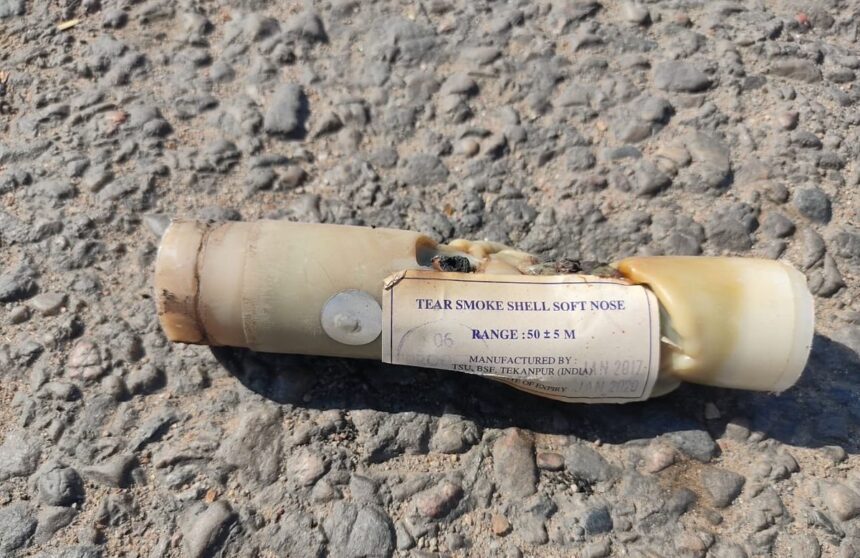

In a recent observation, political commentator Mohammed Zubair highlighted that the tear gas shells used by the Delhi Police during the farmers’ protests in November 2020 had expired. This revelation draws attention to a troubling trend in governmental tactics regarding public dissent, as many believe that law enforcement’s response to protests has intensified over the years.
Background of the Farmers’ Protests
The farmers’ protests in India, which began in late 2020, were a significant movement against three farm laws passed by the Government of India. Farmers, primarily from Punjab and Haryana, gathered at the borders of Delhi, demanding the repeal of these laws, which they perceived as detrimental to their livelihoods. The scale and duration of the protests garnered international attention and turned into one of the largest mobilizations seen in recent Indian history.
The protests saw various forms of resistance, from sit-ins to road blockades, leading to significant confrontations with law enforcement. The use of crowd control measures, including tear gas, became a common sight as police sought to manage the situation. The revelation that expired tear gas was used adds another layer of concern regarding the safety and tactics employed by the authorities to quell dissent.
Use of Expired Tear Gas and Its Implications
The fact that the Delhi Police utilized expired tear gas raises serious questions about operational protocols and the management of crowd control measures during protests. The efficacy and safety of expired tear gas can be compromised, posing potential health risks to individuals exposed to it. This incident reflects a broader issue of accountability within law enforcement agencies and raises alarms about the methods employed to handle public protests.
Zubair’s claim serves as a crucial reminder of the need for transparency and responsibility from law enforcement authorities. As protests continue, the reliance on outdated equipment may not only undermine police effectiveness but also exacerbate tensions between law enforcement and protestors. The implications of this revelation call into question the priorities of authorities in ensuring public safety over aggressive policing tactics.
Political Context and Intensity of Government Crackdown
Since the protests, there has been consistent criticism regarding the government’s approach to public dissent in India. Advocates argue that the response has become harsher, with reports of widespread detentions and aggressive actions during protests across the country. This shift in tactics illustrates a growing concern over civil liberties and the space for dissent in contemporary India.
The political narrative surrounding the farmers’ protests also plays into broader themes of government accountability, transparency, and the rights of citizens to peacefully assemble. As we continue to witness state responses to various movements, the use of oppressive tactics raises essential questions about the future of civic engagement and democracy in India.
Why This Matters
The issue of expired tear gas usage during the farmers’ protests is emblematic of a larger problem regarding the treatment of dissent in India. It highlights not only the potential dangers posed to protestors but also the systemic issues within law enforcement agencies that can hinder democratic processes. For Indian readers, this incident serves as a warning and a call to reflect on the importance of maintaining civil liberties and the necessity for governments to respect and uphold the rights of their citizens.
This situation invites citizens and policymakers alike to reconsider how dissent is managed and encourages dialogue on more humane and effective responses to public protests. As such, observing the evolution of crowd control tactics in India will be crucial in determining the state of democracy in the near future.
Frequently Asked Questions
What were the farmers’ protests about?
The farmers’ protests centered around three controversial farm laws passed by the Government of India, which farmers believed would threaten their livelihoods and reduce their profits.
Why is the use of expired tear gas concerning?
Using expired tear gas can pose health risks to individuals, as its effectiveness may be compromised. This raises significant concerns about public safety and the practices of law enforcement agencies.
How has the government responded to dissent in recent years?
Critics argue that the government’s response has increasingly included harsher measures, such as detaining protestors and employing aggressive tactics to manage public dissent during various movements.
What does this incident indicate about law enforcement in India?
This incident signifies a larger issue regarding accountability, transparency, and the operational readiness of law enforcement agencies, raising essential questions about their priorities in managing public safety.