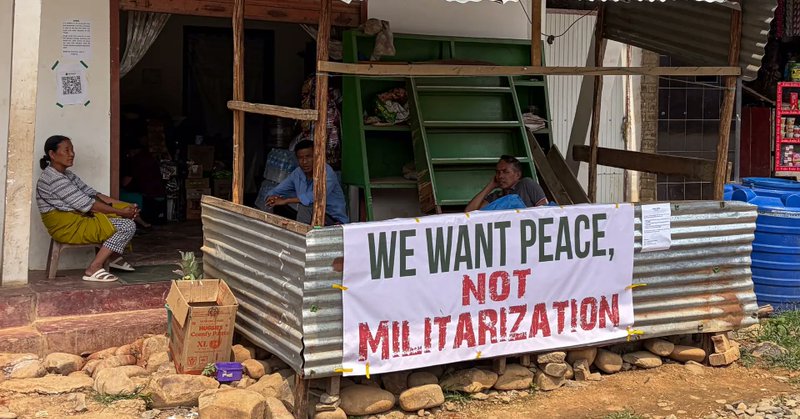

A fresh wave of conflict has erupted in Manipur, once again sparking tensions between the Kuki-Zo and Naga communities. Recent reports reveal that the Union government’s approach to peace is heavily intertwined with militarization, raising concerns about the effectiveness and intention of governmental strategies in the region.
Context: The Roots of Conflict
The state of Manipur, located in the northeastern part of India, has long been a hotspot for various ethnic conflicts, primarily involving the Kuki-Zo and Naga communities. These communities have distinct cultural identities and political aspirations, making the relationships between them complex and often fraught with tension. Historically, issues over land rights, representation, and political recognition have fueled animosities, leading to sporadic violence.
The latest conflict marks a significant escalation, as hostilities have intensified between these groups. The Union government’s response has largely been to bolster military presence, which raises the stakes and adds another layer of complexity to the situation. The militarization approach has not only impacted the local populace but has also influenced how both communities view reconciliation and peace. Instead of fostering dialogue, increased armed presence risks perpetuating a cycle of violence and distrust.
The Role of the Union Government
The Union government’s involvement in Manipur has historically been criticized for its heavy-handed tactics rather than engaging in genuine dialogue. Reports indicate that local grievances, particularly those related to the Kuki-Zo and Naga struggles, have not been adequately addressed by the authorities, leading to increased frustration among the populations.
Efforts for peace have been overshadowed by military initiatives, which seems to prioritize control over constructive negotiation. This dynamic raises questions about the government’s commitment to addressing the root causes of the conflict. The lack of a balanced approach could jeopardize long-term peace efforts and undermine trust between the communities.
BJP’s Political Strategy
The Bharatiya Janata Party (BJP), which governs India at the national level and in Manipur, faces a dual challenge in managing the politics of the region. While the party aims to maintain order, it also has to navigate the complexities of local ethnic dynamics. The BJP’s efforts to secure political alliances with specific ethnic groups can often alienate others, exacerbating existing tensions.
Critics argue that the BJP’s strategy may benefit short-term political goals but is detrimental to simultaneously achieving lasting peace. By favoring one community over another, the BJP could unintentionally heighten existing grievances, complicating the reconciliation process and fostering an environment of hostility. This political juggling act places the party in a precarious position, as it must balance community interests with national directives.
Why This Matters
The escalating conflict in Manipur holds significant implications for India as a whole, particularly in understanding the complexity of its multicultural society. The approach taken by the Union government and political parties like the BJP in addressing ethnic tensions can serve as a model—or cautionary tale—for other regions grappling with similar issues.
Moreover, the continued violence and conflict in Manipur can destabilize the entire northeastern region, impacting security, economic development, and social cohesion. As national debates around governance, nationalism, and regional autonomy intensify, the situation in Manipur merits close scrutiny and intervention to avoid further deterioration of inter-community relations.
Frequently Asked Questions
What sparked the current conflict in Manipur?
The current conflict is primarily between the Kuki-Zo and Naga communities, exacerbated by longstanding grievances over land rights and political representation, coupled with increasing militarization by the Union government.
What is the Union government’s response to the conflict?
The Union government has opted for a strategy of militarization rather than dialogue, which has raised concerns about its effectiveness in addressing the root causes of the conflict.
How is the BJP involved in the situation?
The BJP, which governs both India and Manipur, faces criticism for prioritizing political alliances with specific ethnic groups while neglecting the grievances of others, potentially deepening existing divisions.
Why is understanding this conflict important for India as a whole?
This conflict sheds light on the complexities of India’s multicultural landscape, and its resolution—or lack thereof—can have implications for national stability and regional security, influencing broader debates about governance and community relations across the country.