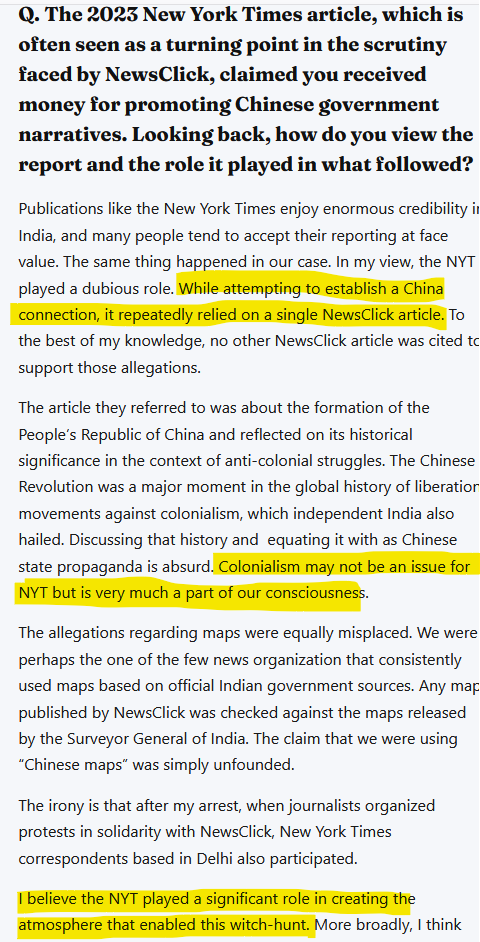

The recent remarks from Mohammed Zubair, a prominent Indian journalist, highlight the troubling implications of a Delhi High Court ruling regarding independent journalism. Zubair specifically points out the significant role that the New York Times plays in the challenges faced by news outlets in India, particularly those that speak truth to power. As the atmosphere for free journalism becomes increasingly perilous, opinions on the judiciary and international media complicate the narrative.
Context of the High Court Ruling
The Delhi High Court has issued rulings that have profound implications for news organizations, including NewsClick, a digital media outlet known for its critical reporting. This order emerged amidst a broader crackdown on independent journalism in India, which many critics argue is part of a government-led “witch-hunt.” Editors and journalists have been scrutinized under various laws that restrict their ability to report freely, especially on matters of public interest and governance. The impact of such legal structures creates an environment where journalists fear repercussions for their work.
The Role of the New York Times
In a striking claim, Zubair mentions the understated role of the New York Times in this context. The global media giant has often been at the forefront of reporting on issues concerning democracy and press freedom in volatile regions. However, its framing of these events can significantly influence public perception and international responses. Critics may argue that this framing can underplay the local struggles of journalists, rendering them as mere pawns in a larger geopolitical narrative. The relationship between mainstream Western media and local outlets warrants closer examination, especially in terms of the latter’s survival and integrity.
The Future of Independent Journalism in India
Zubair’s conversation with Prabir Purkayastha, the editor of NewsClick, sheds light on the human cost of such legal pressures. Purkayastha speaks about the resilience required to confront these challenges. He expresses hope that the recent verdict might embolden more journalists and citizens to stand up against governmental overreach. This sentiment is crucial; it reflects the growing polarization in Indian media and society, where dissent is increasingly stifled. The path forward will likely depend on grassroots movements and the courage of individual reporters willing to risk their careers for the sake of accountability.
Why This Matters
The implications of the Delhi High Court’s ruling extend far beyond the immediate legalese; they signal a broader trend regarding the state of democracy in India. As the government tightens its grip on the media, the survival of independent voices becomes more critical than ever. For Indian citizens, the vitality of press freedom is intricately tied to the health of democracy itself. When journalists face legal reprisals for their work, it poses a direct threat to the public’s right to information, thereby eroding democratic norms. This environment calls for vigilance and solidarity among both journalists and concerned citizens to safeguard the future of independent journalism.
Frequently Asked Questions
What was the recent Delhi High Court ruling about?
The ruling involved judicial scrutiny of news organizations like NewsClick, which has faced legal challenges amidst allegations of anti-government bias, impacting their ability to report independently.
What role does the New York Times play in this context?
The New York Times has been criticized for its framing of events concerning media freedom in India, potentially influencing both domestic and international perceptions of the issues faced by journalists.
How does this ruling affect journalists in India?
This ruling places additional legal pressures on journalists, creating an atmosphere of fear and censorship that threatens their ability to report freely on matters of public interest.
What can citizens do to support independent journalism?
Citizens can advocate for press freedom, support independent media financially, engage in discussions about the importance of journalism, and raise awareness about the challenges faced by journalists in India.