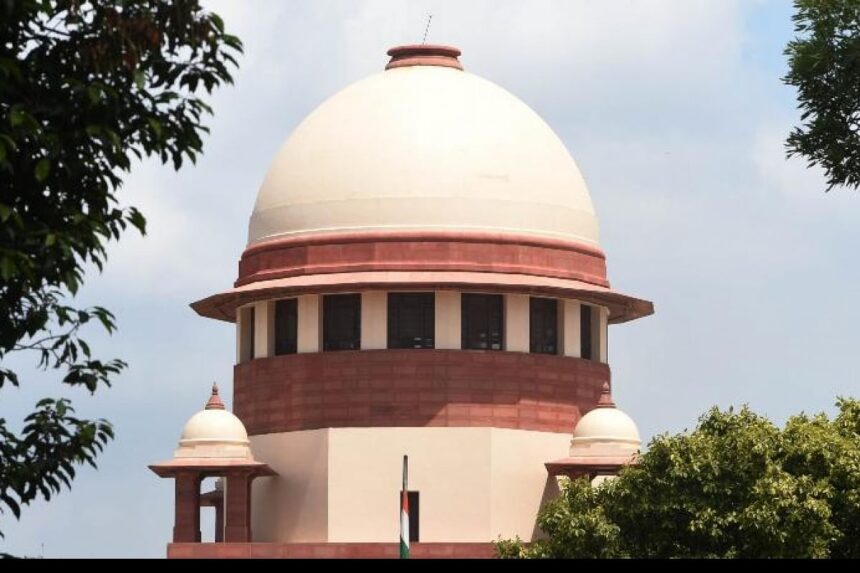

The Supreme Court of India, on July 16, declined to hear contempt petitions alleging that recent demolitions contravened its November 2024 ruling against “bulldozer justice.” The apex court’s decision to transfer these cases to lower High Courts highlights ongoing concerns about discrimination against marginalized communities, particularly Muslims, amid allegations of politically motivated actions by local governments.
Supreme Court’s Stance on Demolitions
A bench led by Chief Justice Surya Kant, accompanied by Justices Joymalya Bagchi and V Mohana, ruled that the matters at hand involve complex factual disputes best suited for examination by local High Courts. As a part of this process, the apex court has instructed the High Courts to review all relevant records and to call for evidence if necessary from district courts, ensuring a fair examination of the claims made in the contempt petitions.
The Supreme Court also reiterated that the interim protection previously offered would remain in place during ongoing proceedings, allowing affected parties the opportunity to seek modifications independently through the respective High Courts. The bench set a target for these courts to resolve the cases preferably within four months.
Context of Allegations Against Government Actions
During recent hearings, senior advocate Huzefa Ahmadi highlighted the case involving the Somnath mosques, asserting that there was no encroachment on public land and pointing to what he described as “egregious violations” of the Supreme Court’s orders. Similarly, senior advocate CU Singh addressed demolitions in Maharashtra, linking them to local politicians who allegedly incited punitive actions through calls for “bulldozer action.”
This context raises significant questions about the erosion of due process in government actions, especially in relation to Muslim communities, who frequently face increased scrutiny and marginalization under policies promoted by the ruling Bharatiya Janata Party (BJP). The Supreme Court’s 2024 ruling, which emphasized the necessity of prior notifications and the opportunity to contest demolition orders, aimed to safeguard individuals from unsubstantiated punitive actions. This ruling came as a direct response to instances where properties were destroyed merely based on accusations or convictions, impacting the rights of individuals disproportionately.
Implications of the 2024 Ruling
The significance of the Supreme Court’s 2024 judgment cannot be overstated. It established crucial pan-India guidelines that mandate the issuance of prior show-cause notices, opportunities for affected parties to challenge demolition orders, and sufficient timeframes for vacating premises. This ruling is particularly relevant for marginalized communities, including Muslims, who experience heightened vulnerability under current political frameworks.
The judgment indicates a necessary rebuke of the incidences of arbitrary governance where bulldozers become tools for punitive actions rather than instruments of justice. By reinforcing procedural safeguards, the Supreme Court aims to uphold the rule of law, ensuring that individuals are not unjustly targeted without appropriate legal procedures. Advocates for social justice have welcomed these guidelines as critical in combating systemic discrimination.
Why It Matters
The implications of this ruling resonate beyond the courtroom. Social and economic exclusion often occurs hand-in-hand with political actions that marginalize specific communities, particularly during politically charged moments. As a result, this judicial ruling serves as an essential check against the erosion of civil rights under the guise of administrative action. By maintaining a stringent stance against unlawful demolitions, the court endeavors to safeguard the rights of minorities and ensure that governance is conducted fairly and transparently. This case further raises awareness of the social injustices faced by Muslims in India, highlighting the need for continued vigilance and advocacy in the face of systemic discrimination.
Frequently Asked Questions
What are the implications of the Supreme Court’s ruling against “bulldozer justice”?
The ruling establishes mandatory guidelines for demolitions, requiring due process, including prior notice and opportunities for defense, which protects marginalized communities from discriminatory actions.
Why did the Supreme Court transfer cases to lower High Courts?
Due to the complexities and disputed factual issues involved in the cases, the Supreme Court opined that lower High Courts are better positioned to examine these matters comprehensively.
How does this ruling affect marginalized communities?
The ruling aims to safeguard the rights of marginalized groups, including Muslims, by ensuring that demolitions are conducted legally and not on a discriminatory basis, thereby protecting them from arbitrary state actions.
What precedents does the 2024 judgment set for future demolitions?
The judgment sets a clear precedent that demolitions must follow legal protocols, thereby limiting punitive actions based solely on perceived guilt, and ensuring that the rights of property occupants are respected.