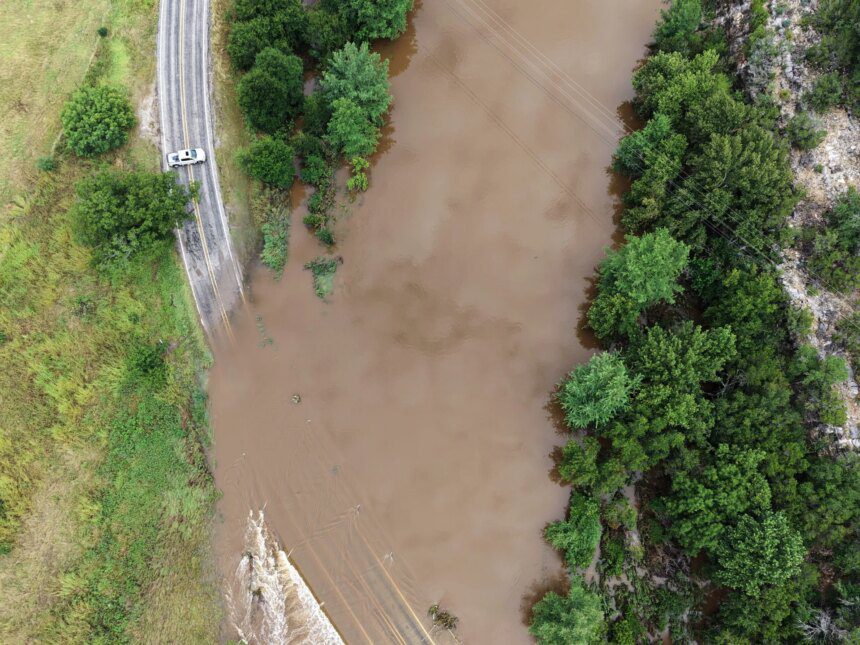

Torrential Rains and Flash Floods Devastate Central Texas
Central Texas is grappling with the aftermath of severe storms that resulted in two fatalities and over 230 rescues this week. The torrential rains, which began on Tuesday, have caused extensive damage, especially in flood-prone areas like Kerr County, which has seen tragedies in the past related to similar weather events.
Impact of Flooding on Communities
The flooding has taken a toll on local communities, with the first victim, whose identity remains unspecified, getting swept away near Uvalde, located approximately 138 kilometers southwest of San Antonio. The second victim, John Mark Steward from Kerrville, reportedly lost his life when floodwaters from Goat Creek engulfed his mobile home.
The extent of the rainfall has been significant, with the National Weather Service documenting between 25 to 50 centimeters (10 to 20 inches) in some areas, while others received as much as 60 centimeters (two feet) in a matter of days—an amount equal to or exceeding their annual rainfall. As a result, nearly 6 million residents across south and central Texas have been placed under flood watches, with emergency responders deploying vast resources including over 800 vehicles and 20 aircraft.
Government Response and Preparedness Initiatives
In light of the widespread emergency, Texas Governor Greg Abbott has declared a disaster for 59 counties and activated round-the-clock emergency operations. The situation has been further exacerbated by the floods in the same region that claimed at least 139 lives just over a year ago. The state’s recent legislative measures aimed at improving flood response, such as installing warning sirens in vulnerable areas like Kerr County, may have been crucial given that sirens were activated before the onset of this week’s storms.
The tragic events surrounding last year’s floods, which led to the loss of 28 campers at Camp Mystic, resulted in public pressure and ensuing legislative changes. A new federal initiative, the Mystic Alerts Act, seeks to ensure that emergency alerts can be sent via satellite, enhancing outreach when cellular networks fail. This bipartisan legislative action underscores the urgent need for improved emergency awareness and response systems, especially for communities facing recurrent natural disasters.
What This Means
The severe flooding in Texas serves as a reminder of the increasing frequency and intensity of extreme weather events, an issue that is not limited to the United States. India also faces similar challenges, with monsoon seasons often resulting in devastating floods. The proactive measures taken by Texas, including legislative steps to improve emergency response infrastructure, can provide a blueprint for Indian authorities as they seek to enhance disaster preparedness in vulnerable regions. Effective warning systems and community education play key roles in mitigating loss of life and property during such incidents.
Frequently Asked Questions
What caused the floods in Central Texas?
The floods were primarily caused by torrential rains that began on Tuesday, resulting in excessive rainfall accumulations in a short period.
How many people were affected by the flooding?
Over 230 people were rescued, and nearly 6 million residents across south and central Texas were placed under flood watches.
What measures is the government taking to address the flooding?
Texas Governor Greg Abbott declared a disaster for 59 counties, deploying emergency responders and resources, including vehicles and aircraft, to assist affected areas.
How do the recent floods compare to past events in Texas?
The recent floods are particularly concerning as they affected the same region that experienced catastrophic flooding last year, which resulted in the deaths of at least 139 people.