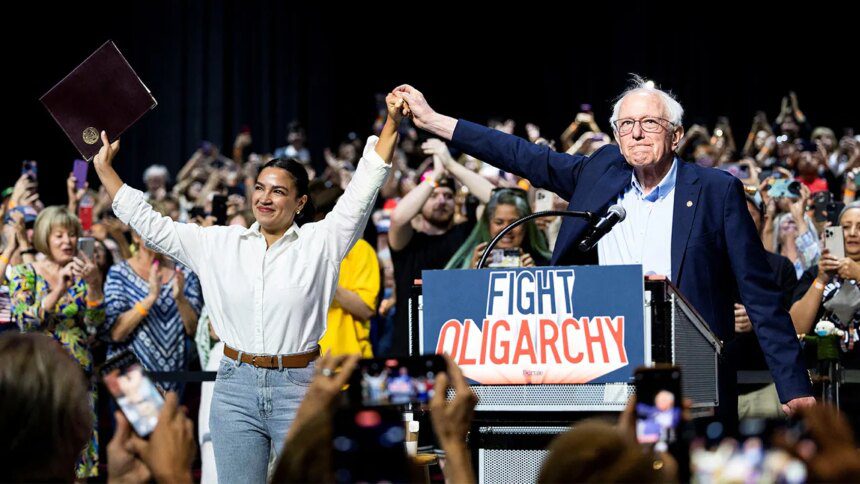

The impending Democratic Senate primary in Michigan is creating significant ideological rifts within the party, as progressive candidate Abdul El-Sayed gains traction against moderate Rep. Haley Stevens. Backed by key progressive figures like Bernie Sanders and Alexandria Ocasio-Cortez, the race highlights differing visions for the party’s future amid a backdrop of complex voter dynamics.
The Clash of Ideologies in Michigan’s Senate Primary
Michigan’s upcoming Democratic Senate primary, scheduled for August 4, has become a battleground for divergent political ideologies. Abdul El-Sayed, a progressive candidate with a strong following, faces off against Rep. Haley Stevens, who is supported by the centrist establishment including Senate Democratic Leader Chuck Schumer. This ideological divide represents a broader debate within the Democratic Party about its future direction: whether to lean more left or maintain a centrist position to attract a wider voter base.
El-Sayed, an epidemiologist and former Wayne County Health Department director, advocates for policies like Medicare-for-all and has been critical of established Democratic norms. In contrast, Stevens has positioned herself as more electable in a general election, reportedly leading among specific voter demographics such as Black and moderate voters. Polls indicate a split in support, showcasing the deep ideological lines drawn within the party’s voter base.
High Stakes and Heavy Investments
Both candidates are heavily funded, with significant donations coming from outside entities. Notably, the United Democracy Project, linked to the American Israel Public Affairs Committee (AIPAC), has reportedly spent nearly $15 million supporting Stevens and opposing El-Sayed. This influx of funding is indicative of the high stakes involved, as control of the Senate is paramount in the upcoming midterm elections.
Political analysts, including veteran strategist Joe Caiazzo, stress the critical nature of this primary. “What you’re seeing here are the two opposing forces of the Democratic Party,” he observes. A win for El-Sayed may not only reflect a shift in Michigan but could embolden progressives nationally, signaling a growing influence within the Democratic Party.
The National Implications of Michigan’s Race
The Michigan primary isn’t merely a local affair; its implications stretch across the nation. A victory for El-Sayed would bolster the progressive wing of the party and potentially shift national Democratic strategies. Meanwhile, a win for Stevens would likely reaffirm the centrist approach, appealing to a broader demographic critical for retaining the Senate majority.
The contest has gained additional attention due to the high-profile endorsements of El-Sayed by prominent progressives. Such support has intensified the discourse surrounding the Israel-Palestine conflict, with El-Sayed openly criticizing Israel’s actions during its recent conflict with Hamas. This has spurred debates among voters, particularly in Michigan, which has a considerable Arab-American population, raising the stakes for how candidates position themselves on such sensitive issues.
Why This Is Trending
Indians are searching for information on this topic primarily due to the global ramifications of U.S. politics, especially as they relate to economic policies and foreign affairs. As the world’s largest democracy, India is intricately linked to global political trends, especially with the upcoming elections that could shape U.S.-India relations. Moreover, the ideological battles within the Democratic Party resonate with similar dynamics seen in Indian politics, prompting interest and discourse among Indian audiences.
Frequently Asked Questions
Who are the main candidates in the Michigan Democratic Senate primary?
The main candidates are Abdul El-Sayed, a progressive backed by Bernie Sanders, and Rep. Haley Stevens, a moderate supported by the Democratic establishment including Chuck Schumer.
What are the key differences between El-Sayed and Stevens?
El-Sayed advocates for progressive policies like Medicare-for-all and a critical stance on U.S.-Israel relations, while Stevens positions herself as more centrist, aiming for broader electability among moderate voters.
Why is this primary important for the Democratic Party?
This primary reflects a significant ideological battle within the Democratic Party, showcasing the tension between progressive and centrist factions. The outcome could impact national Democratic strategies and voter engagement in upcoming elections.
What role is external funding playing in this primary?
External funding, particularly from entities like AIPAC, has heavily influenced the race, with millions spent to support Stevens and undermine El-Sayed. This highlights the high stakes of the primary as it may determine control of the Senate.