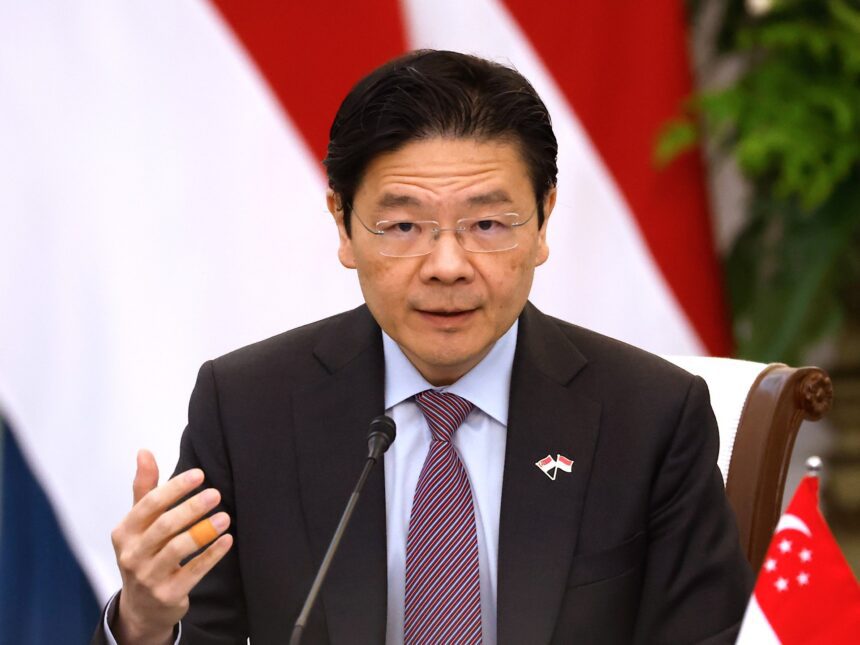

Recent political turmoil within Singapore’s ruling People’s Action Party (PAP) has been underscored by allegations of harassment involving acting Minister-in-charge of Muslim Affairs Faishal Ibrahim. These developments arrive amidst a backdrop of scandals that have shaken the party’s reputation, signaling not just internal strife but broader societal implications, particularly concerning marginalized communities within the nation.
Scandal and Resignation
Faishal Ibrahim resigned following statements by Prime Minister Lawrence Wong regarding his interactions with a woman, which included online messages and meetings at public events. Wong confirmed both parties had made allegations of harassment, now under police investigation. This incident is one of many that has plagued the PAP, a party known for its “whiter than white” image.
Political Fallout and Historical Context
The resignation of Faishal raises questions about the overall integrity of the PAP. In the past few years, the party has experienced several scandals, including the 2023 investigation of former Transport Minister Subramaniam Iswaran for corruption alongside Malaysian billionaire Ong Beng Seng. The fallout from these allegations has led to Iswaran pleading guilty to accepting over 380,000 Singapore dollars ($294,000) in gifts.
Add to this the 2023 resignations of two senior members of Singapore’s main opposition party due to their admitted extramarital affairs, and the picture of high-stakes political intrigue becomes clear. These episodes have prompted former Prime Minister Lee Hsien Loong to acknowledge that the party’s image has suffered significantly due to these scandals.
The Marginalization of Indian Muslims
Beyond the political scandals, there is a pressing concern regarding the treatment of minority communities in Singapore, notably Indian Muslims, in the context of rising nationalism. The ruling party’s focus on maintaining a certain communal harmony underlines the fragility faced by these communities. Discrimination and social exclusion manifested through economic policies and social dynamics reflect ongoing marginalization, leading to a societal rift in multicultural Singapore.
Indian Muslims have often found themselves caught between national narratives that prioritize majority communities while being sidelined in essential discussions on representation, economic opportunities, and social inclusion. The implications of such marginalization are profound, affecting not only community cohesion but also economic sustainability and growth.
Why It Matters
The ongoing scandals within the PAP represent more than mere political missteps—they reflect deeper societal issues regarding governance, accountability, and minority inclusion. For the tech industry and developers, this scenario poses significant questions about the stability of Singapore as a business environment. Transparent governance and responsible leadership are fundamental to ensure sustainable development and attract global talent. Understanding these dynamics is crucial for investors and developers alike, who must navigate the intricate interplay of politics and community relations in the region.
Frequently Asked Questions
What led to Faishal Ibrahim’s resignation?
Faishal Ibrahim resigned due to allegations of harassment involving his interactions with a woman, which included online messages and public meetings. Prime Minister Lawrence Wong stated that both parties made allegations against each other.
How have recent scandals affected the People’s Action Party?
The PAP has faced significant reputational damage due to various scandals, including corruption investigations involving former ministers. This has raised concerns about the party’s integrity and leadership standards.
What are the societal implications of these political scandals?
The scandals have implications for societal cohesion, particularly concerning marginalized communities like Indian Muslims, who face discrimination and backlash in the current political climate. This highlights the need for more inclusive governance.
Why is governance important for Singapore’s economic landscape?
Strong governance is essential for economic stability and growth, particularly to attract foreign investment and maintain Singapore’s reputation as a global business hub. Political instability or lack of accountability can deter investment and disrupt economic progress.