
Summary
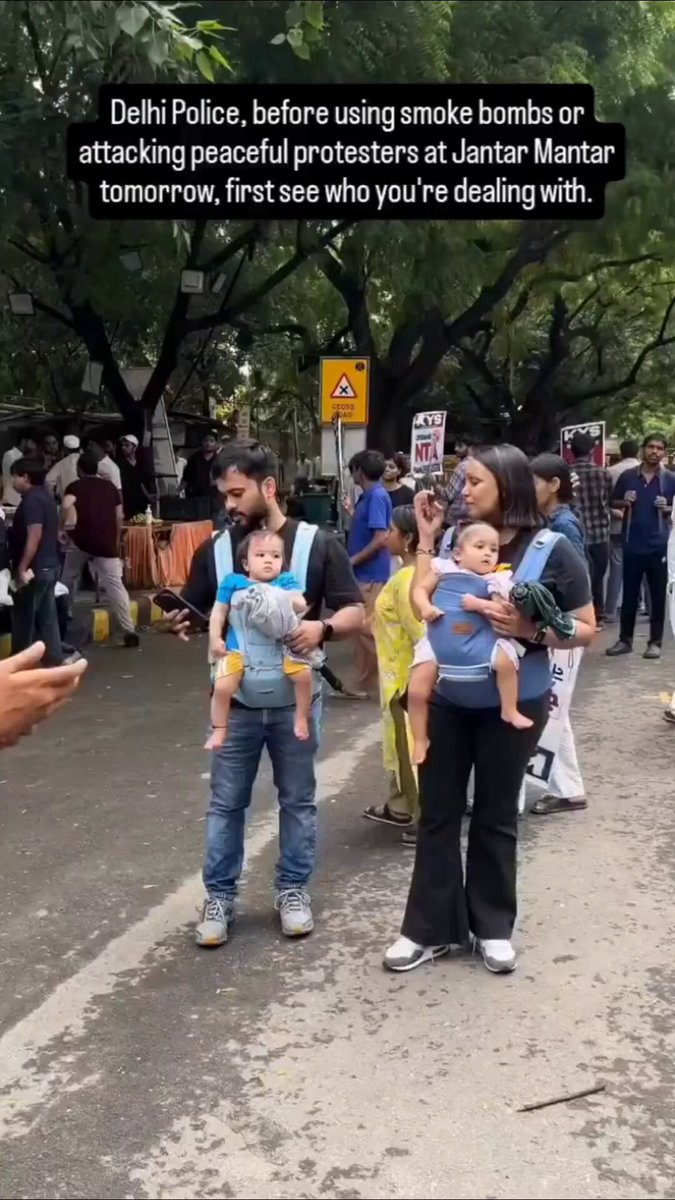
In a recent tweet, prominent Indian political commentator, The Skin Doctor (@theskindoctor13), criticized “woke” parents for allegedly putting their children at risk during peaceful protests. He argues that the responsibility of potential violence falls squarely on those who choose to involve their children in such activities, especially if they are aware of the risks involved.
Context of the Debate
The debate around the involvement of children in protests has gained traction in recent years, especially in India. Activists argue for the right to peaceful assembly, emphasizing that social justice movements, such as those led by farmers, students, or environmentalists, often call for family participation. However, critics argue that these protests can become volatile, risking the safety of innocents, particularly children.
The recent unrest during various protests has illustrated this dilemma. Instances where peaceful gatherings have escalated into violent confrontations with law enforcement force many to reconsider the ramifications of involving children. Critics like The Skin Doctor highlight this risk, stating that those advocating for participation must bear the responsibility for any subsequent harm.
The Power Dynamics of Protest Politics
Political protests in India operate within a complex framework of social, economic, and cultural dynamics. The Skin Doctor’s tweet taps into the anxieties of many parents who worry about their children’s safety amid potentially chaotic situations. Supporters of protests argue that the risks are a small price to pay for a chance at societal change, while detractors believe that such risks are unnecessary and irresponsible.
The Indian government often responds to protests with heavy policing, which can lead to violent clashes. This reality raises a crucial question: at what point does a peaceful protest become a risk to attendees, particularly minors? The Skin Doctor’s assertion that parents overlook these dangers gives voice to a growing concern among many citizens who witness the aftermath of such escalations.
Responses from the Public and Political Figures
The reaction to The Skin Doctor’s statements has been mixed. Supporters laud his frank assessment of parental responsibility, emphasizing that social change cannot come at the expense of children’s safety. They argue that every parent must weigh the potential fallout of their activism when deciding to take their children to protests.
On the other hand, critics view the tweet as an oversimplification of a complex issue. Many argue that the notion of “woke” parents dismisses the genuine motivations behind activism, which often spans generations. They advocate for a more nuanced dialogue about societal problems rather than framing the issue solely around individual parental choices. Public figures and educators have called for discussions on safe protest practices, advocating for better planning and measures to protect young attendees.
Why This Matters
The political significance of discussions surrounding the involvement of children in protests cannot be overstated in India. It touches upon the broader themes of parental responsibility, state accountability, and the right to protest. These dialogues play a crucial role in shaping societal values and expectations regarding activism.
As Indian society grapples with ongoing issues such as farmers’ rights, environmental sustainability, and social justice, these conversations will only grow in importance. Understanding the repercussions of involving children in high-stakes protests can redefine participation frameworks for future generations. Additionally, how the government responds to such debates could influence public perception and impact policy reforms.
Frequently Asked Questions
What are the risks of involving children in protests?
Involving children in protests can expose them to unexpected violent confrontations, police action, and emotional distress arising from chaotic situations. Parents must weigh these risks against their ideological convictions.
How can parents ensure safety during protests?
Parents can take precautions by selecting clearly organized, peaceful protests, establishing a clear plan for communication, and keeping a close watch on their children. It’s also crucial to follow local news on protest developments.
What are the societal implications of protests involving children?
Protests that include children can signify the intergenerational nature of activism but also spark debates about the responsibilities parents have in such situations. It raises questions about the risk vs. reward of activism for young individuals.
What should be the role of the government during protests involving families?
Governments should aim for a balanced approach, ensuring public safety while respecting the right to protest. Developing protocols specifically aimed at protecting vulnerable groups, like children, can help mitigate potential dangers.