
Recent events surrounding the detention of five Muslim students returning from the Jantar Mantar protest have raised significant concerns regarding selective targeting by the police. Social activist Zeba Khan and journalist Afzal Alam intervened to release the students, questioning the legality of their detention and the implications for students participating in protests.
Incident Overview
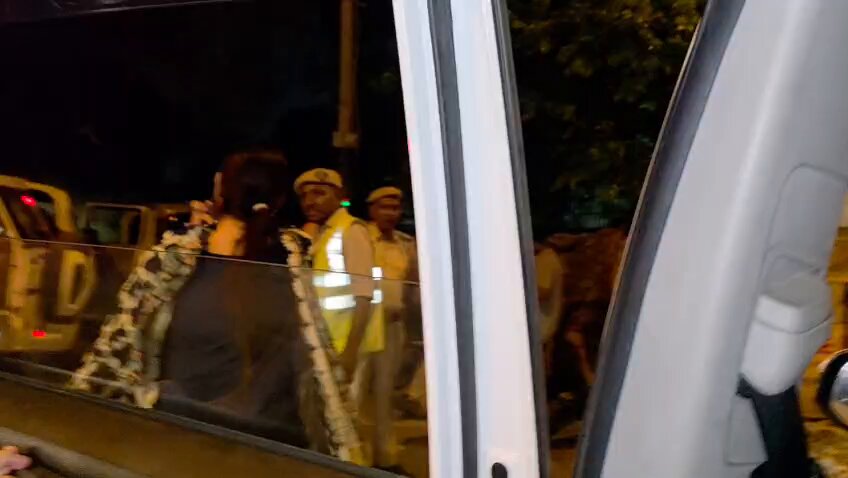
On an unspecified recent day, five Muslim students were detained by the Delhi Police as they were making their way back to the Jamia Millia Islamia area following their participation in the Jantar Mantar protest. This incident occurred near the university, drawing immediate attention from social activists and journalists who quickly mobilized to secure the students’ release. Activist Zeba Khan and reporter Afzal Alam pursued the police vehicle to intervene, ultimately managing to free the detainees.
Community Reaction
The detention of these students has sparked outrage, particularly within the Muslim community and among student circles. Mohammed Zubair, a prominent political commentator, condemned the police action, questioning why these students were treated as criminals for engaging in a legitimate form of civic expression—protest. Commentators and activists alike highlighted the fear that such actions instill among students advocating for their rights. This response underscores a broader narrative of perceived injustice faced by Muslim youth in India, raising alarms over civil liberties.
Legal and Political Context
This incident cannot be examined in isolation. In recent years, numerous instances of police action against protesters, particularly from marginalized communities, have raised questions about discrimination and state policy. The Jantar Mantar protest was likely organized to voice dissent on pressing issues affecting various socio-economic groups. The detention of Muslim students returning from such protests embodies a troubling precedent, suggesting that authorities may selectively enforce laws based on participants’ identities or religious affiliations. Legal experts and human rights advocates are critically assessing whether these incidents breach constitutional rights to free speech and assembly.
Why This Matters
The targeting of these students reflects broader systemic issues of discrimination within Indian society. Young people, particularly from the Muslim community, may now feel deterred from participating in peaceful protests due to fear of unwarranted police action. This has implications for civil society in India, where dissent is a vital component of democracy. The treatment of these students may galvanize further activism and necessitate examinations of police protocols regarding peaceful protestors. The incident serves as a call to action for a dialogue about equity, justice, and the role of law enforcement in a democratic society.
Frequently Asked Questions
What were the students protesting at Jantar Mantar?
The specific issues they were protesting have not been detailed, but such protests typically address various socio-political matters affecting the community, including rights and freedoms.
Who intervened to help the detained students?
Social activist Zeba Khan and journalist Afzal Alam intervened to track down the police vehicle and secure the release of the detained students.
What are the implications of police actions against students?
Such actions may create an atmosphere of fear that discourages youth, especially from marginalized communities, from participating in future protests, raising concerns over civil rights.
How has the public reacted to this incident?
The incident has garnered widespread condemnation from various sectors of society, eliciting calls for greater accountability in law enforcement and a reevaluation of the treatment of protestors.