
Summary
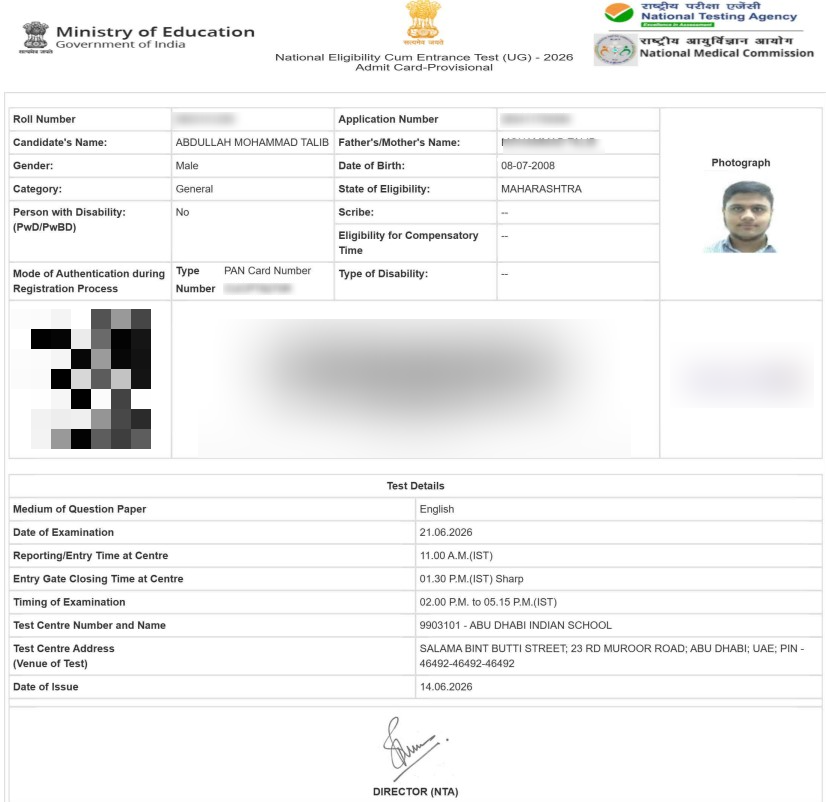
The family of Abdullah Mohammad Talib, a NEET aspirant, has expressed shock upon discovering that his exam center is allocated to a school in Abu Dhabi for the NEET-UG re-examination scheduled on June 21. His father claims they did not select this location and is demanding a center in Nagpur due to the distress caused to Abdullah.
Background on NEET-UG Examination
The National Eligibility cum Entrance Test (NEET-UG) is a highly competitive examination in India for students aspiring to pursue undergraduate medical courses. The exam, regulated by the National Testing Agency (NTA), is critical for students in the medical field and often sees participation from thousands across the country. The allocation of exam centers is typically done based on the options selected by the candidates during the application process. The unexpected allocation to an international location raises questions about the transparency and efficiency of the system.
The Family’s Concerns
Mohammad Talib, Abdullah’s father, stated that upon downloading the admit card, they were astonished to see the Abu Dhabi school listed as the exam center. “We had not given anything as such in our options,” he claimed, highlighting the family’s bewilderment. Consumed by shock, Abdullah displayed significant emotional distress and was hesitant to take the examination. His father’s frustration led them to contact the helpline for clarification. They were informed that a new admit card would be issued by Saturday, but the family remains persistent in their request for a center in Nagpur due to time constraints and Abdullah’s emotional state. Talib noted, “He cried a lot yesterday and did not even want to write the exam.”
Systemic Issues and Reforms Needed
This incident reflects broader systemic issues within the examination administration framework in India. The allocation of erroneous exam centers can seriously impact a student’s performance and mental well-being. As India faces increasing pressure to streamline its educational processes, events like these underscore the urgent need for reforms that ensure transparency and better communication between examining bodies and students. Moreover, the handling of such significant errors points towards a potential need for better technological solutions to avoid miscommunication and logistical blunders.
Why This Matters
For Indian readers, Abdullah’s case highlights the pressing issues within the examination system and the emotional toll such bureaucratic failures can impose on students and their families. The ability of aspiring medical students to access fair and equitable educational opportunities is crucial in a country where millions envision careers in healthcare. Such incidents can also influence public sentiment towards the government and educational institutions, sparking discussions about accountability and the necessity for reforms that prioritize student welfare.
Frequently Asked Questions
What is the NEET-UG examination?
NEET-UG is an entrance test for students seeking admission to undergraduate medical programs in India. It is recognized by various medical colleges and universities across the country.
What did Abdullah’s family request regarding the exam center?
The family is demanding that Abdullah be allowed to take the exam at a location in Nagpur, as they had initially provided other districts as preferences and not an international center.
How has the NEET exam system been criticized?
Criticism of the NEET exam system often revolves around the allocation process, transparency, and the emotional impact on students, especially when errors occur.
What steps are being taken to resolve Abdullah’s situation?
The family has contacted the helpline and received a promise for a new admit card by Saturday. They are hopeful for a resolution that allows Abdullah to take the exam in a more accessible location.