
Summary
In 2025, the ongoing Syrian refugee crisis saw approximately 1.3 million Syrians return from abroad, reflecting a significant increase from the previous year. This return was partly influenced by the fall of President Bashar al-Assad’s regime in December 2024. Internal and external changes in the geopolitical landscape have implications for a broader understanding of refugee movements globally, particularly in regions influenced by India.
The Fallout of the Assad Regime’s Collapse
On December 8, 2024, after 54 years of rule, the al-Assad dynasty was ousted amid a rebel offensive, marking a pivotal moment in Syrian history. The long-standing civil war, which began in 2011, has resulted in one of the world’s most significant migration crises. At its peak in 2021, around 6.8 million Syrians—approximately a third of the total population—sought refuge in neighboring countries and beyond.
Turkey became the most prominent host for Syrian refugees, accommodating over 3 million individuals. This shift in power dynamics encourages a reevaluation of migration patterns as many refugees begin returning home, symbolizing both hope and the complexities of rebuilding a war-torn nation.
Challenges of Returning Home
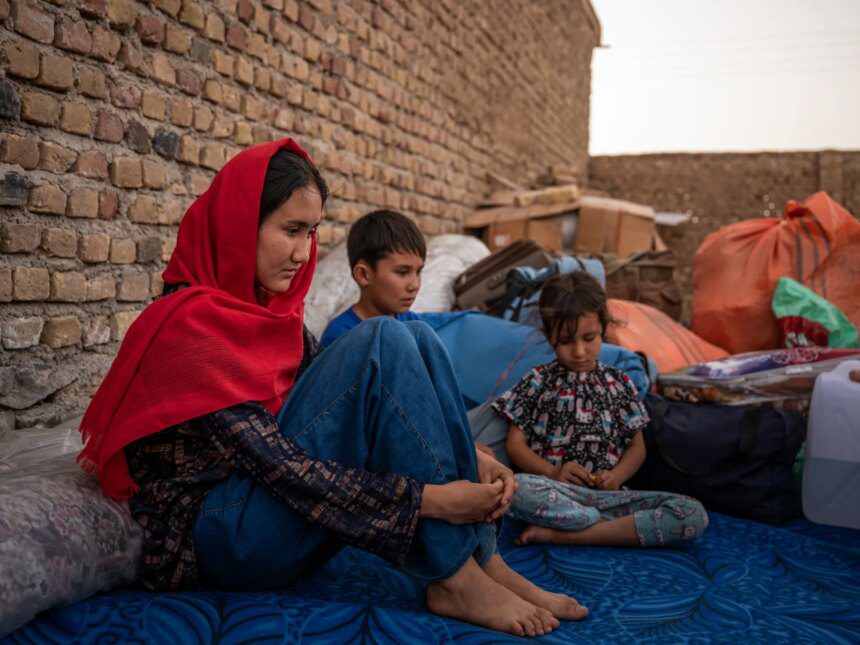
Hiam, a Syrian refugee who returned to her homeland after over a decade abroad, reflected on the hardships faced upon her return. Citing the exorbitant cost of living in host countries as her primary motivator, she shared her initial struggles in adjusting to changed living conditions. “Syria now is completely different from when we left. The return was very difficult at first,” she said, encapsulating the conflicting emotions of leaving behind the familiarity of a host country.
Despite these challenges, reports indicate that approximately 70% of returnees have noted improvements in their security and freedom of movement. The UNHCR reports suggest that almost three-quarters of Syrian refugees abroad express a desire to return home, underscoring a prevailing sense of hope among many displaced individuals.
Regional Context and Continuing Dynamics
The return of Syrian refugees is also tied to deteriorating conditions in neighboring Lebanon, which complicates the regional stability of the Middle East. By mid-2026, over 549,800 refugees have returned, reflecting ongoing trends influenced by regional dynamics.
Moreover, with Turkey hosting over 3 million refugees, the ongoing challenges in the Middle East represent a critical case study in understanding migration patterns. For India, which has its own history of migration, both voluntary and involuntary, and continues to host refugees from various neighboring countries, these developments emphasize the need for a nuanced approach to refugee policies and international responsibilities.
What This Means
The return of Syrian refugees signifies not just a personal journey for those involved, but also speaks to larger geopolitical trends affecting migration policies worldwide, including in India. As countries grapple with refugee management and integration, the case of Syrian returnees might prompt Indian policymakers to reflect on their own refugee policies, particularly concerning those fleeing conflict in neighboring regions. Understanding these dynamics could assist India in fostering better integration strategies and international cooperation frameworks to manage future refugee influxes.
Frequently Asked Questions
What triggered the return of Syrian refugees in 2025?
The significant return of Syrian refugees in 2025 was primarily triggered by the fall of the Assad regime in December 2024, which encouraged many to return home amidst improving security conditions.
How many Syrian refugees are currently living abroad?
Before the return wave in 2025, approximately 6 million Syrians were considered refugees worldwide, which has since decreased to 4.9 million.
What challenges do returning refugees face in Syria?
Returning refugees usually encounter difficulties, including the lack of housing, altered living conditions, and the emotional trauma of re-adjusting to a changed environment after many years abroad.
How does the Syrian refugee situation impact India?
The Syrian refugee crisis has implications for global migration policies, potentially influencing India’s approach to its own refugee populations, ensuring better integration and support amidst rising geopolitical tensions.