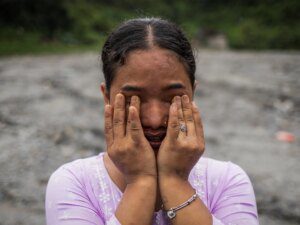

In a troubling incident in Bharatpur, Rajasthan, a Muslim shopkeeper was reportedly assaulted following accusations that pieces of meat were discovered in juice he sold. This event fueled tensions in the area, leading to protests and the involvement of local Hindu nationalist leaders. The shopkeeper claims that the attack was part of a conspiracy against him.
Context of the Incident
The incident took place in Bharatpur, a district known for its historical significance and diverse population. Reports indicate that a group of individuals accused the Muslim shopkeeper of contaminating the juice with meat, despite lacking substantial evidence. The allegation quickly escalated, resulting in a large crowd gathering around the shop, with some chanting slogans against the shopkeeper.
Eyewitness accounts suggest that the mob became increasingly aggressive, ultimately leading to the shopkeeper being physically assaulted. These incidents have become alarmingly frequent in parts of India, where communal tensions often flare up over perceived religious transgressions, particularly involving the Hindu and Muslim communities.
Background of Communal Tensions
Communal tensions are a longstanding issue in India, with various incidents reported over the years where religious identities fuel conflict. Such escalations often arise over food-related controversies, which carry deeper cultural and religious connotations. In this case, accusations surrounding meat consumption can invoke strong reactions, as dietary practices often intersect with religious beliefs in India.
The role of political rhetoric in heightening these tensions cannot be overlooked. Political parties and leaders sometimes capitalize on such incidents to consolidate their support base, often appealing to religious sentiments among constituents. This situation in Bharatpur is no exception, with local leaders reportedly inciting emotions rather than promoting dialogue.
Shopkeeper’s Allegations of Conspiracy
In the aftermath of the assault, the shopkeeper has alleged that he is the target of a conspiracy aimed at maligning him and his community. His claim suggests that the accusations were premeditated, intending to incite communal violence. He argued that the uproar surrounding the alleged meat in juice was orchestrated to disrupt peace in the community.
His allegations echo a broader sentiment among minority communities in India, who often feel vulnerable to targeted harassment and violence. The assertion of a conspiracy adds a layer of complexity to the incident, raising questions about the motivations behind the accusations and the socio-political dynamics at play.
Why This Matters
The incident in Bharatpur is significant for several reasons. Firstly, it underscores the persistence of communal tensions in India, where incidents like these can quickly escalate into violence, affecting not just individuals but entire communities. The attack on the shopkeeper highlights the ongoing cultural and religious divides that affect daily life for many Indians.
Moreover, the involvement of local political leaders in stirring these tensions raises alarms about the politicization of religion in India. As elections approach, such incidents might be exploited for political gain, further exacerbating communal discord. For the broader Indian public, this signifies the need for a collective effort toward social cohesion and dialogue among diverse religious communities.
Frequently Asked Questions
What exactly happened in Bharatpur?
A Muslim shopkeeper was assaulted after allegations arose that pieces of meat were found in the juice he sold, sparking protests and violence from a local crowd.
Why were these allegations significant?
The accusations resonate deeply within communal contexts in India, where dietary practices can reflect religious identities and provoke strong emotional responses, leading to violence.
What is the shopkeeper alleging?
The shopkeeper claims that he is the victim of a conspiracy aiming to incite communal violence against him and his community.
What are the political implications of this incident?
The incident underscores the vulnerabilities of minority communities in India and highlights the potential exploitation of communal tensions by political leaders for electoral gain, threatening social harmony.