
Summary
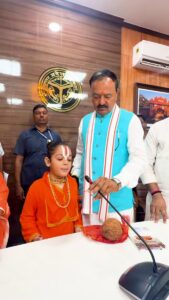
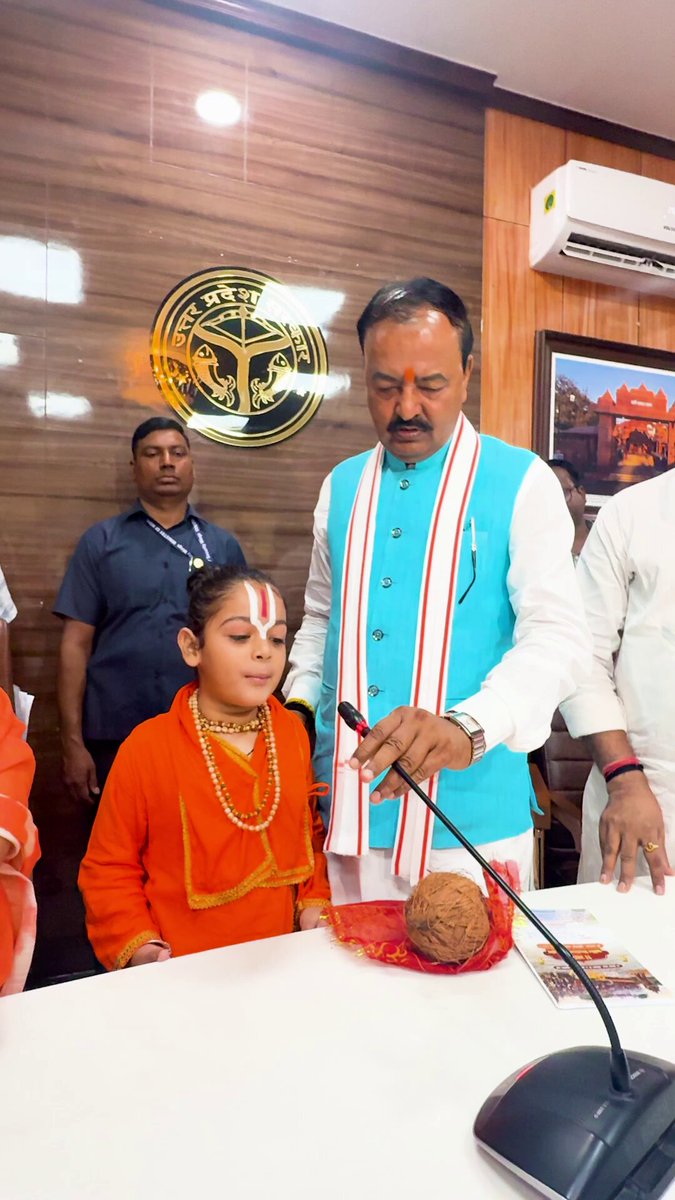
Keshav Prasad Maurya, a notable figure in Indian politics, shared an inspiring message that highlights the importance of cultural values and the legacy of struggle for future generations. This message coincides with his homage to the spirit of Lord Rama and Indian traditions, symbolizing pride and hope for the youth.
Context and Background
Keshav Prasad Maurya, who serves as the Deputy Chief Minister of Uttar Pradesh, has often been vocal about the significance of cultural heritage in shaping the future of India. His recent statement reflects a deep-rooted belief in the fusion of tradition and modernity, emphasizing how the younger generation embodies the struggles and values of past generations. The reference to Mathura is particularly poignant, as it not only represents a key historical and religious site associated with Lord Krishna but also symbolizes the broader spiritual heritage that is integrated into Indian identity.
The backdrop of Maurya’s message ties into a series of initiatives and discussions among Indian leaders about cultural pride and national identity. His statement indicates that the struggle for cultural preservation has been ongoing for generations, and it is now the duty of the youth to carry forward that legacy. In the contemporary political landscape, such sentiments resonate with many voters who seek a connection to their cultural roots amid rapid modernization.
The Message of Hope for the Future
In his tweet, Maurya extends his wishes for a bright future to young devotees, highlighting the optimism that is often necessary in a politically charged environment. By framing his message around young individuals, he underscores the potential for the new generation to shape not only their own destinies but also the future of the nation. The mention of “pride” and “values” suggests that Maurya views these young individuals as pivotal in preserving the essence of Indian culture amidst changes brought about by globalization and urbanization.
Additionally, the reference to Lord Rama—a revered figure in Indian mythology—serves as a metaphor for the virtues of righteousness, duty, and faith that are deemed essential for a fulfilling life. This casting of the current generation as the keepers of these age-old values serves to inspire not just the youth but also the older generations who are invested in the country’s cultural narrative.
Why This Matters
This message is significant for Indian readers as it encapsulates a broader narrative within Indian politics concerning the intersections of culture, identity, and youth engagement. In a country with a rich tapestry of traditions, Maurya’s remarks highlight an ongoing struggle between modernity and tradition, a theme that resonates with many who feel a sense of nostalgia for a simpler, more connected past.
Politically, leaders aligning themselves with cultural values may find themselves appealing to a demographic that yearns for a stronger sense of identity. This becomes increasingly pertinent as elections approach, with various parties vying for the support of younger voters who may be swayed by themes of cultural pride and continuity.
Frequently Asked Questions
What is Keshav Prasad Maurya’s message about?
Maurya’s message emphasizes the importance of cultural values and the legacy of past struggles, encouraging the younger generation to carry forward these traditions as they shape the future of India.
Why is Mathura significant in Indian culture?
Mathura is a key historical and religious site in India, associated with Lord Krishna. It is often seen as a symbol of cultural heritage and spiritual significance.
How does Maurya view the role of the youth in India?
Maurya sees the youth as vital to carrying forward the traditions and values that define Indian culture, believing they play a crucial role in shaping the future of the nation.
What are the implications of Maurya’s statement for Indian politics?
The statement holds political significance as it reflects a trend among Indian leaders to appeal to cultural identity, particularly as they seek to engage younger voters who are vital to the country’s electoral future.