
Summary
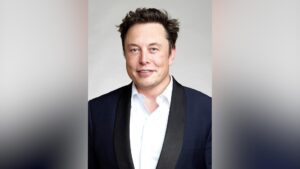
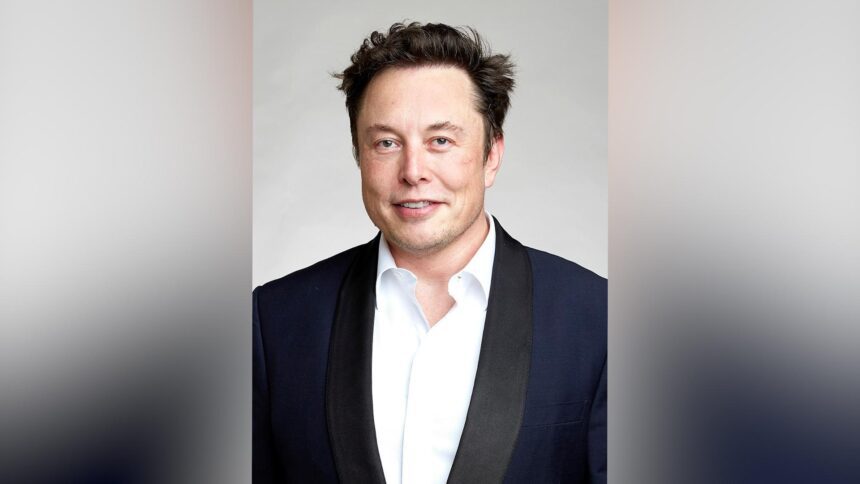
Recent remarks by Elon Musk regarding immigration, particularly Muslim immigration in the UK, have reignited discussions about the societal implications of framing migration as a civilizational threat. Critics argue that such narratives contribute to widespread discrimination and panic, complicating the already charged discourse around migration in various contexts, including India, where similar sentiments are felt among marginalized Muslim communities.
Elon Musk’s Claims and Their Effects
In a recent interview with The Economist, Musk suggested that the UK is on a trajectory toward social crisis due to immigration. He emphasized his opposition to immigration from groups he perceives as incompatible with Western values, claiming that civil conflict could become inevitable if current trends continue. His assertions resonate with broader nationalist sentiments that often seek to vilify groups based on ethnicity or religion.
Musk’s remarks amplify existing fears and anxieties, particularly around rising non-European populations and their supposed connections to crime. Researchers, however, emphasize that the relationship between migration and crime is complex, highlighting that attributing social ills to specific ethnic or religious groups can lead to harmful stereotypes and social exclusion.
Responses from Experts and Civil Society
Zanny Minton Beddoes, editor-in-chief of The Economist, challenged Musk directly during their interview, referring to crime statistics to counter claims that immigration has made British cities unsafe. This pushback, particularly coming from the interviewer rather than an external critic, indicates the need for a more evidence-based narrative surrounding immigration.
This dialogue mirrors a broader global conversation about the dangers of reducing entire communities to threats or problems. In India, similar narratives propagated by political groups like the Bharatiya Janata Party (BJP) and the Rashtriya Swayamsevak Sangh (RSS) have contributed to the marginalization of Indian Muslims. The systematic exclusion and economic boycotts faced by this community are often framed within the same rhetoric that Musk employs — implying that their presence poses a risk to societal harmony.
The Role of Media and Social Platforms
The influence of Musk extends beyond mere statements; his ownership of X (formerly Twitter) allows him to amplify these narratives to a vast audience. This platform has been criticized for fostering extremist viewpoints and has come under scrutiny for content moderation practices. By disseminating divisive rhetoric, influential figures like Musk can manufacture crises, leading to tangible consequences that affect marginalized groups in real life.
The amplification of anti-immigrant and nationalist narratives on social media has led to heightened discrimination against various communities, including Indian Muslims. Economic boycotts and social exclusion become tools for enforcing a political agenda that seeks to draw lines between ‘us’ and ‘them,’ often with devastating repercussions for minority communities. The consequences are not just ideological; they manifest in real terms through violence, economic disenfranchisement, and social fragmentation.
Why It Matters
The implications of Musk’s statements and the broader conversation on immigration are significant for the AI industry, developers, and users. Media platforms that allow the spread of misinformation and divisive narratives can perpetuate societal crises. For developers and businesses, this emphasizes the importance of ethical content moderation and the responsibilities that come with large platforms. Users, in turn, should be increasingly aware of the information they consume and share, recognizing the potential for harm that comes from unchecked narratives surrounding migration and ethnicity.
Frequently Asked Questions
What are Elon Musk’s views on immigration?
Elon Musk believes that immigration from certain groups, particularly Muslims, poses a threat to Western values. He has suggested that this could lead to civil conflict in the UK if not addressed.
How do experts counter Musk’s claims?
Experts, including journalists like Zanny Minton Beddoes, cite crime data to illustrate that immigration does not inherently lead to increased danger or instability in cities. The relationship between migration and crime is complex and cannot be reduced to simplistic narratives.
What impact does Musk have on societal views surrounding immigration?
Musk’s influence, especially through social media, allows him to shape public discourse, potentially exacerbating societal tensions and fostering division by promoting nationalist and anti-migrant sentiments.
How are Indian Muslims affected by narratives similar to Musk’s?
In India, similar narratives have led to discrimination, social exclusion, and economic boycotts against Muslims, often propagated by political groups that use inflammatory rhetoric to divide communities.