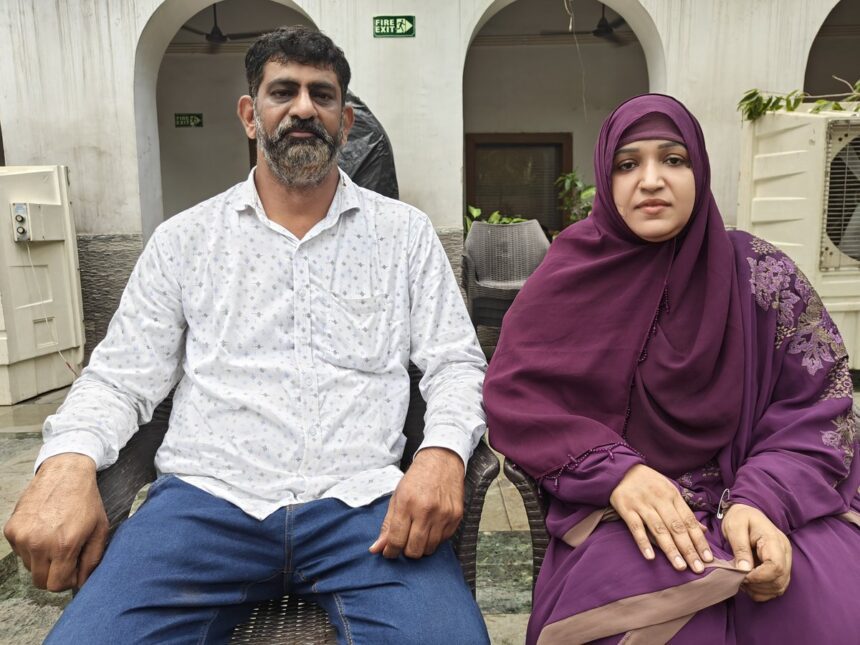

Amid intensified protests concerning the National Eligibility cum Entrance Test (NEET) in India, the heartbreaking stories of two families resonate powerfully. Both Sana Shaik and S Anitha tragically died by suicide linked to the pressures of NEET, reflecting the severe mental health crisis surrounding these high-stakes examinations.
The Tragic Cases of Sana Shaik and S Anitha
Sana Shaik, who died by suicide last month, and S Anitha, the first NEET-related casualty in 2017, have become symbols of a broader tragedy affecting numerous students across India. The grief of their families underscores the emotional toll this examination system inflicts. During recent protests at Jantar Mantar, Salah’s mother expressed her deep anguish, urging governmental authorities to recognize the suffering of countless families facing similar hardships. “Has power blinded you?” she questioned the officials, illuminating the stark disconnect between policy decisions and the repercussions experienced by students and parents alike.
Growing Opposition Against NEET
The public outcry following Anitha’s suicide in 2017 sparked extensive protests throughout Tamil Nadu, as students rallied against what they perceived to be an oppressive and inequitable education system. Anitha’s brother noted, “I feel like the entire country is feeling what Tamil Nadu felt nine years ago,” indicating a growing resonance of the Tamil Nadu experience on a national scale. This sentiment relates to broader frustrations with the Indian government’s education policies, which many see as elitist and dismissive of students from less privileged backgrounds. Recent demonstrations, ignited by Sana’s death, reveal that the movement against NEET is gaining momentum, resonating with families and activists beyond Tamil Nadu.
Families United in Grief
Despite their devastating loss, the families of both Sana and Anitha traveled over 1500 kilometers to Delhi to stand in solidarity with protesting students, exemplifying their commitment to advocating for systemic change. Witnessing police brutality against the protestors, who share in their pain, only deepens their resolve. As Sana’s mother stated, the protest represents a collective voice for mothers like herself, growing increasingly frustrated with the government’s silence. The sacrifices made by these families shed light on the urgent need for reforms in the Indian educational landscape, challenging the status quo and calling for compassionate policies that prioritize the mental well-being of students.
Why This Matters
In a country where education is often seen as the only gateway to upward mobility, the tension surrounding NEET and other competitive exams poses significant socio-political challenges. The tragedies of Sana and Anitha bring to the forefront critical discussions about mental health, equitable access to education, and the responsibilities of the government to ensure the welfare of its students. This situation mirrors deeper societal issues of class and privilege, as students from marginalized backgrounds often face insurmountable pressure without the resources to cope. The ongoing protests are not merely a reaction to personal tragedies but a clarion call for systemic change that has far-reaching implications for the future of education policies in India.
Frequently Asked Questions
What is the NEET examination?
The NEET, or National Eligibility cum Entrance Test, is a standardized test for students in India seeking admission to medical colleges. It is known for its difficulty and high-stakes nature, with a large number of students competing for a limited number of seats.
What were the reasons behind Sana Shaik’s and Anitha’s suicides?
Both tragedies are attributed to the immense pressure and mental strain students face while preparing for competitive exams like NEET, alongside societal expectations and personal aspirations. Their stories highlight the seriousness of mental health issues within the educational system.
How has the government responded to the situation?
The government has faced increasing criticism for its handling of educational policies, with many activists and families urging for reforms that prioritize students’ mental well-being and equitable access to education.
What actions are being taken by students and families now?
Students and the families of victims are actively protesting and campaigning for changes to the NEET system, advocating for reforms that would alleviate stress and provide equal opportunities for all students across India.