
The historical trajectory of Indian Muslims showcases a complex interplay of identity, religion, and socio-political dynamics. Recent discussions highlight the gradual shift in naming conventions among Indian Muslims, reflecting larger societal changes influenced by government policies, community movements, and historical events.
Historical Context and Name Evolution
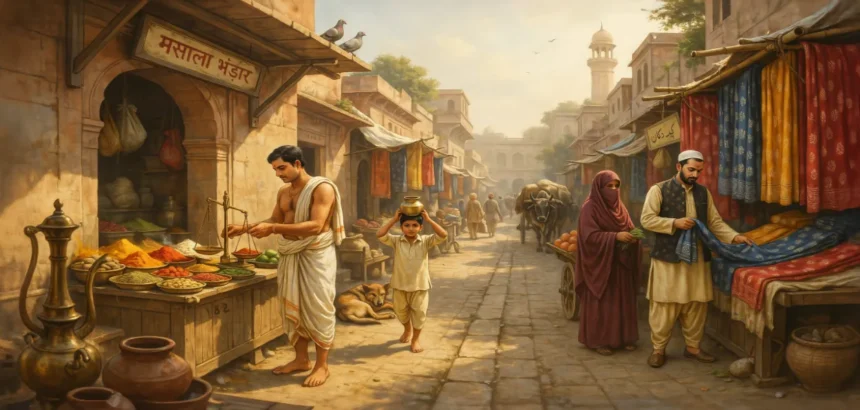
The First War of Indian National Independence in 1857 serves as a lens into the social fabric of the time, with prominent figures like Havildar Mata-Deen leading revolts alongside others bearing names common across Hindu and Muslim communities. For instance, individuals like Matadeen Mir and Matadeen Pandey illustrate a shared identity that transcended religious lines. Other notable names—like Sheikh Nandoo, Nadju Khan, and Ghasita—are examples of cultural blending. Such names were not confined by religious boundaries, indicating a unique phenomenon of shared heritage between Hindus and Muslims. It prompts inquiry into how this cultural amalgamation became less prevalent in later generations.
Religious Identity and Name Significance
Ahtzaz Ahsan’s observations in The Indus Saga emphasize that contemporary Pakistan exhibits a stark absence of Muslims with pre-Islamic names, contrasting with historical trends. Names such as Omar and Usman retained their significance post-Islamization, revealing a retention of cultural identity despite religious conversion. In Persia, for example, individuals did not feel compelled to discard pre-Islamic names upon converting to Islam. Yet, in India, the gradual adoption of Arabic names among Muslims has created a distinct cultural shift. This change has become particularly pronounced in the 20th century as religious identities carved themselves into societal norms.
The Political Landscape and Community Marginalization
The 20th century has seen efforts by various religious groups to solidify their identities, establishing boundaries among communities, especially in the wake of the Government of India Act 1919. This policy spurred communities to catalog their demographics, leading to movements such as Tabligh and Shudhi, which aimed to assert religious superiority over one another. This politically charged atmosphere has led to the gradual marginalization and economic boycotts faced by Indian Muslims, especially in regions like Mewat, where cultural identity is losing its ground. The influence of the Sangh and BJP governments has further compounded this issue, exacerbating discrimination and social exclusion while promoting a singular Hindu narrative in the political arena.
Why It Matters
The evolution of naming conventions among Indian Muslims speaks volumes about broader societal changes and religious dynamics in India. The significance of names as markers of identity has implications for community cohesion and the psyche of individuals within historically marginalized groups. As political movements shape socio-religious identities, the ramifications extend into economic realms, altering historical trends of social integration and coexistence. This analysis provides a crucial framework for understanding contemporary issues within the Indian subcontinent, shedding light on events that have a lasting impact on cultural identity and community relations.
Frequently Asked Questions
What led to the change in naming conventions among Indian Muslims?
The shift in naming conventions has been influenced by various factors, including the rise of a distinct Muslim identity in the 20th century, political movements, and social pressures to conform to religious norms, moving away from pre-Islamic names.
How has political policy affected Muslim identity in India?
Political policies, particularly post-1919, have incentivized religious groups to assert their identities, often leading to the marginalization of communities like Indian Muslims, who find themselves under economic and social pressure while vying for political representation.
What does ‘Islamization’ of names mean?
‘Islamization’ refers to the adoption of Arabic names by Muslim communities to assert their religious identity, often at the cost of pre-existing cultural names, which historically included non-Arabic influences.
What are the consequences of discrimination faced by Indian Muslims?
Discrimination against Indian Muslims has led to social exclusion, economic boycotts, and a lack of representation in political spheres, which further perpetuates cycles of marginalization and hinders community development.